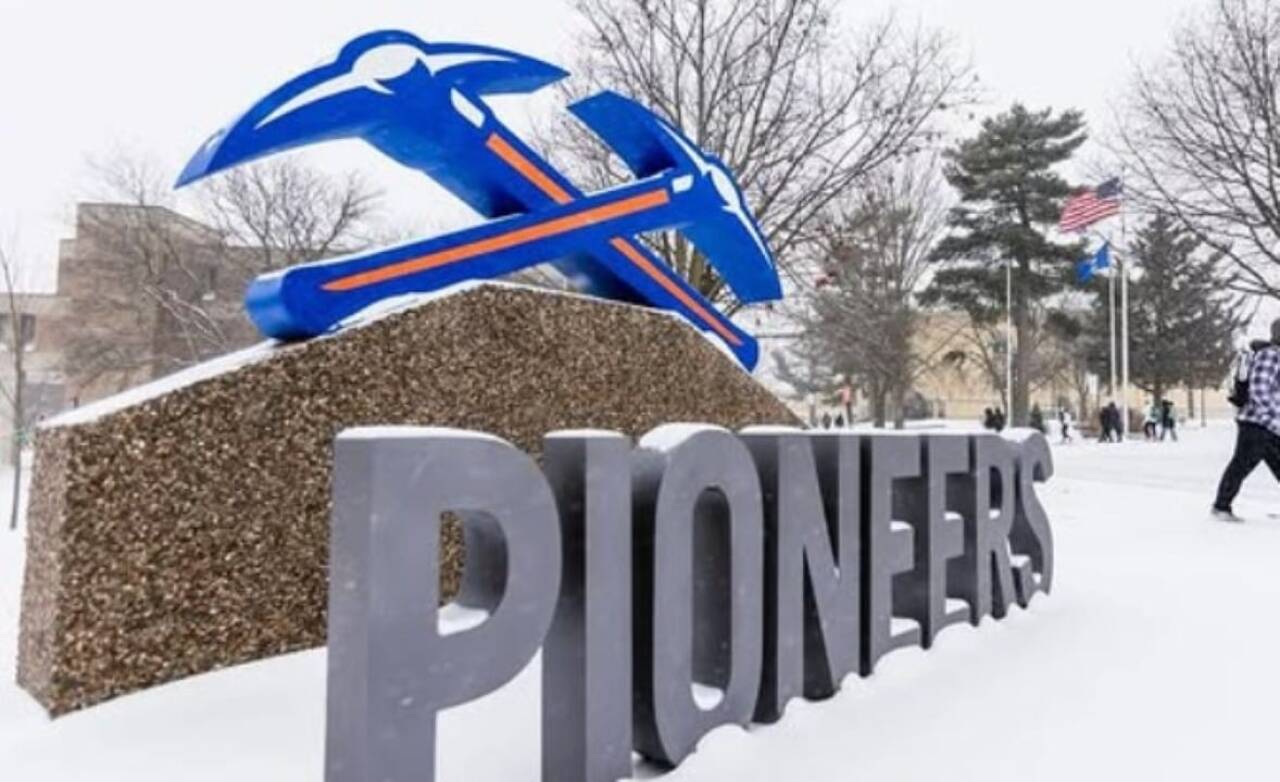
An urgent crisis erupted at the University of Wisconsin-Platteville, prompting an immediate lockdown and a robust police response across the campus. Authorities issued alerts, directing students and staff to shelter in place as emergency responders flooded the scene. Nestled in the small town of Platteville, Wisconsin, the university rarely encounters such disruptions, making the event particularly unsettling for its close-knit community. While specifics about the emergency remain limited, the rapid response highlights the priority placed on campus safety.
- Swift action: Lockdown enforced, police deployed, and alerts issued.
- Communication channels: Text, email, and social media informed the campus.
- Community concern: Parents and locals sought clarity amid uncertainty.
- Safety first: Protocols were followed to protect everyone on campus.
The incident disrupted the tranquil routine of a university known for its rural setting. As investigations continue, ensuring the safety of students and faculty remains the top focus.
Authorities’ initial response
Law enforcement, including the Platteville Police Department and campus security, acted promptly to address the reported emergency. Police vehicles lined the campus perimeter, with officers stationed at key entry points to restrict access. The university’s emergency management team activated its response plan, coordinating with local and state authorities to evaluate the situation. No injuries have been reported, but the heavy police presence created a tense atmosphere across the campus.
The university issued a brief statement confirming the lockdown as a precautionary measure. Everyone was urged to follow law enforcement instructions and avoid spreading unverified information online. The lack of detailed information about the threat fueled speculation, but officials emphasized maintaining calm during the investigation. Campus buildings, including residence halls and academic facilities, remained secured as authorities worked to resolve the situation.
- Police mobilization: Officers were strategically positioned campus-wide.
- Official communication: Statements urged cooperation and patience.
- Preventive measure: Lockdown aimed to minimize risks during assessment.
Reactions from students and faculty
The sudden lockdown caught many students off guard, some in the middle of classes when the alert arrived. Local media interviews revealed a mix of confusion and anxiety as students followed instructions to barricade doors or move to designated safe areas. Faculty members, tasked with ensuring student safety, quickly adapted, guiding students to secure locations. The experience underscored the critical role of emergency preparedness for the campus community.
A sophomore engineering student described receiving the alert during a lecture hall session. The professor promptly locked the doors and directed everyone to stay away from windows. Similar scenes unfolded in dorms, libraries, and dining halls, with students taking shelter. Social media posts from students captured a range of emotions, from frustration over limited information to appreciation for the authorities’ swift response.
- Student actions: Doors barricaded, safe areas occupied.
- Faculty role: Guided students and enforced protocols.
- Emotional impact: Anxiety prevalent, but mutual support evident.
#BREAKING
— Wisconsin Nationalist (@WiNationalist) May 19, 2025
One of my sources from the UW Platteville Campus sent me this video in the Aftermath of the Emergency. It is still unclear what the cause, perpetrator, or the casualties are. More updates to follow in the coming hours. https://t.co/79ciXx5lko pic.twitter.com/G9U0Oz5Ob5
Campus safety protocols under scrutiny
UW-Platteville maintains a comprehensive emergency response plan, which was put to the test during this incident. The plan includes regular drills, communication systems, and coordination with local law enforcement. The university’s alert system, utilizing text messages, emails, and a mobile app, proved effective in rapidly disseminating information. However, some students noted that the lack of specifics in initial alerts left them uncertain about the situation’s severity.
Campus security experts stress that lockdowns are designed to reduce risks while authorities assess potential threats. At UW-Platteville, annual training sessions prepare faculty and staff for scenarios ranging from active shooters to natural disasters. The university also operates a dedicated emergency operations center, which was activated during the lockdown to manage the response. While the system functioned as intended, the incident has sparked discussions about enhancing transparency during emergencies.
Community ripple effects in Platteville
The lockdown’s impact extended beyond the campus, affecting Platteville, a town of roughly 12,000 residents. Local businesses near the university, such as cafes and shops, temporarily closed as a precaution. Parents of students flooded social media with questions, seeking reassurance about their children’s safety. The Platteville Police Department issued a statement asking residents to avoid the campus area and refrain from spreading rumors.
In a small community like Platteville, such events are rare and deeply felt. The university serves as a major economic and cultural hub, employing hundreds of locals and attracting students regionally. Community leaders expressed solidarity, with the mayor praising the coordinated response. Local schools also heightened security measures out of caution, though no direct threats were reported elsewhere in the city.
- Business closures: Nearby establishments paused operations.
- Parental concern: Social media reflected urgent inquiries.
- Community support: Locals rallied behind the university.
Safety history at UW-Platteville
UW-Platteville boasts a relatively strong safety record, with few major incidents in recent years. Its rural location and tight-knit community contribute to a generally secure environment. However, like many institutions, it faces broader concerns about campus safety. In recent years, U.S. colleges have faced increased scrutiny over their handling of emergencies, from natural disasters to potential threats.
The university has invested in safety infrastructure, including surveillance cameras, emergency call boxes, and enhanced campus lighting. Regular safety audits and partnerships with local law enforcement bolster preparedness. The lockdown served as a real-world test of these measures, highlighting strengths and areas for improvement. Campus officials have committed to a thorough review of the incident to address any response gaps.
- Safety enhancements: Cameras and lighting upgrades implemented.
- Training initiatives: Annual drills for faculty, staff, and students.
- Police partnerships: Close coordination with local authorities.
Technology’s role in crisis management
Technology played a pivotal role in managing the lockdown at UW-Platteville. The university’s alert system, powered by a third-party platform, delivered real-time updates to thousands of students and staff. Social media also facilitated communication, with the university posting updates on official accounts. However, the rapid spread of unverified information online underscored the challenges of managing public perception during a crisis.
Students relied on group chats and messaging apps to share updates and check on friends. Campus security utilized surveillance footage to monitor critical areas, aiding law enforcement’s assessment. The integration of these technologies reflects the evolving nature of emergency response in higher education. Experts note that balancing transparency with controlling misinformation remains a persistent challenge.
National trends in campus security
The UW-Platteville incident mirrors broader concerns about safety at U.S. colleges and universities. Institutions nationwide face diverse threats, from active shooters to cybersecurity breaches. In response, many have adopted robust security measures, including armed campus police, mental health programs, and advanced alert systems. The lockdown underscores the importance of preparedness in an era of heightened vigilance.
Data from the U.S. Department of Education indicates stable campus crime rates over the past decade, but high-profile incidents have fueled public demand for stronger safety measures. Universities also grapple with balancing openness with security, particularly on campuses serving as community hubs. The events at UW-Platteville will likely inform ongoing discussions about best practices in campus safety.
- Security investments: Universities nationwide bolster safety measures.
- Public expectations: Calls for transparency and proactive plans grow.
- Openness vs. safety: Institutions navigate complex balance.
Economic fallout for the university
Though resolved without injuries, the lockdown could have economic consequences for UW-Platteville. The university relies on its reputation as a safe, welcoming institution to attract students, particularly from out of state. Perceptions of insecurity could impact enrollment, a key revenue driver. Additionally, emergency response costs, including overtime for security and police, may strain the university’s budget.
Local businesses, affected by temporary closures near the campus, may also face short-term losses. Platteville’s economy is closely tied to the university, with students driving significant spending at restaurants, retailers, and housing providers. Some community leaders have called for increased investment in campus safety to prevent future disruptions.
Student support post-incident
In the lockdown’s aftermath, UW-Platteville prioritized student well-being. The university’s counseling center extended hours and offered group sessions to address anxiety and stress. Faculty were encouraged to be flexible with assignments and attendance, acknowledging that some students needed time to process the event. The administration hosted a virtual town hall to answer questions and provide updates.
Student organizations, including the campus mental health club, organized peer support events to foster community. These efforts reflect growing recognition of the psychological impact of emergencies on college students. For many, the lockdown was their first encounter with such an event, highlighting the need for sustained support.
- Counseling access: Extended hours and group sessions provided.
- Academic flexibility: Faculty adjusted deadlines to support students.
- Community initiatives: Peer events strengthened campus bonds.
Ongoing law enforcement involvement
The Platteville Police Department continues to investigate the emergency’s cause, working closely with campus security. Although the lockdown has been lifted, a visible police presence remains to reassure the campus community. The investigation will likely include reviewing security footage, witness statements, and digital evidence related to the incident.
Authorities have praised the university’s cooperation and the community’s patience during the lockdown. The incident has prompted discussions about expanding joint training exercises between campus security and local police. Such collaborations are increasingly common as universities seek to enhance emergency response capabilities.
Future preparedness efforts
As UW-Platteville resumes normal operations, focus has shifted to lessons learned from the lockdown. Campus leaders are reviewing the response to identify improvements, from communication strategies to physical security measures. Students and faculty have called for greater transparency in future emergencies, including more detailed updates during active incidents.
The incident also highlighted the resilience of the UW-Platteville community. Students, faculty, and staff collaborated to ensure safety, with the broader Platteville community offering support. As the investigation progresses, the university remains committed to maintaining a secure environment for learning and growth.