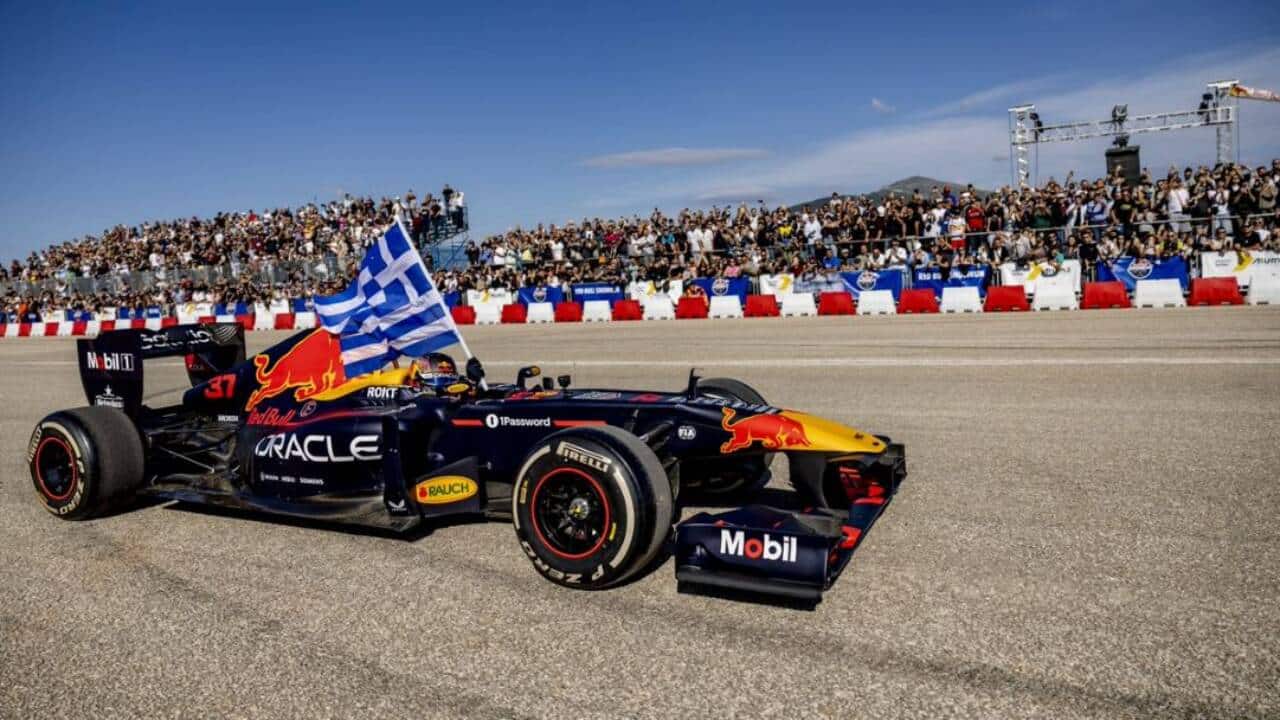
The 2025 Formula 1 season reached a pivotal moment at the Spanish Grand Prix, where Red Bull, led by Max Verstappen, faced challenges that exposed the shortcomings of the RB21 car. Helmut Marko, the team’s consultant, openly admitted that the vehicle lacks the performance needed to secure the 2025 world championship. The race, defined by an aggressive three-stop strategy and a poorly timed safety car, ended with Verstappen finishing 10th after a penalty. McLaren, with Oscar Piastri claiming victory and Lando Norris on the podium, extended their lead in the championship. The 49-point gap between Piastri and Verstappen underscores Red Bull’s struggle, as the team now looks to regroup for the Canadian Grand Prix. Marko’s revelation highlights a technical crisis that could reshape the title race.
Marko’s admission followed a frustrating race where Red Bull tried, and failed, to outpace McLaren. The initial two-stop strategy was scrapped due to rapid tire degradation, prompting a riskier approach with three pit stops. Despite a brief moment of promise, the safety car late in the race erased Verstappen’s gains.
- Tactical Shift: Red Bull switched to a three-stop strategy after noticing tire performance issues early on.
- Retardatary Setback: Verstappen lost time behind Oliver Bearman, hindering his recovery.
- Harsh Penalty: A collision with George Russell led to a 10-second time penalty and three points on Verstappen’s superlicense.
The current situation raises doubts about Red Bull’s ability to close the championship gap.
Performance Below Expectations
Marko’s candid statement about the RB21 marks a rare moment of vulnerability for Red Bull. He noted that the car only matches McLaren’s pace under specific conditions, a feat achieved in just three or four races this season. McLaren, by contrast, has shown remarkable consistency, with Piastri and Norris delivering strong performances across various circuits. Verstappen, a four-time champion, is forced to push the car to its limits every lap, highlighting the intense pressure on the Dutch driver to compensate for the team’s technical deficiencies.
The RB21 struggles most with tire management, particularly in high temperatures. Tracks like the Circuit de Barcelona-Catalunya, which demand aerodynamic efficiency and tire preservation, have exposed these weaknesses. Red Bull is working to optimize the car’s setup, but its narrow performance window complicates efforts to achieve consistency.
Pre-Quali catch-ups don't get much bigger 🤝⚽️pic.twitter.com/DnxGlDYpQA
— Oracle Red Bull Racing (@redbullracing) June 3, 2025
Strategy Under Strain
The decision to adopt a three-stop strategy in Spain was a desperate move to offset the car’s shortcomings. After the opening laps, Red Bull realized the tires couldn’t sustain McLaren’s pace under the original plan. Switching to fresh tires on the third stop brought Verstappen within a second of Norris, but the safety car disrupted the strategy. The safety car triggered another round of pit stops, with Verstappen opting for hard tires that underperformed in the final stint.
While Marko deemed the tactical shift correct, it couldn’t overcome the RB21’s inherent limitations. The team struggled to maintain pace over long stints, especially after the restart. The collision with Russell, which led to the penalty, reflected Verstappen’s need to take risks in a race already compromised by the car’s issues.
- Hard Tires Struggle: The choice of tire compound in the final stint limited Verstappen’s speed.
- Safety Car Timing: The safety car’s appearance nullified the advantage of the three-stop strategy.
- Driver Pressure: Verstappen’s aggressive moves to recover positions led to the incident with Russell.
McLaren’s Dominance
McLaren has emerged as the dominant force in 2025, with a car that excels in tire management and performs well across diverse conditions. Piastri’s victory in Spain solidified his championship lead, while Norris’s consistent points-scoring has strengthened McLaren’s position. The team’s ability to adapt strategies and maximize car performance contrasts sharply with Red Bull’s struggles. Marko acknowledged McLaren’s superior tire temperature management, a key factor in their sustained pace.
The 49-point lead Piastri holds over Verstappen reflects McLaren’s reliability. While Red Bull relies on specific tracks to shine, McLaren remains competitive almost everywhere. This technical edge puts additional pressure on Red Bull to find solutions quickly.
A History of Comebacks
Despite the daunting outlook, Marko drew on a past Red Bull recovery for inspiration. In 2012, Sebastian Vettel overcame a 44-point deficit to Fernando Alonso to clinch the title. While this memory fuels hope, Marko recognizes the current challenges are more complex. Red Bull needs significant technical improvements and incident-free races to chip away at the championship gap.
The Canadian Grand Prix at Circuit Gilles Villeneuve offers the next chance for Red Bull to regain ground. Verstappen has dominated the race in the past three years, but Marko cautioned that the track’s layout, with its many chicanes and few high-speed corners, may not suit the RB21. Setup choices will be critical to unlocking the car’s potential.
Technical Challenges at Play
Tire management remains Red Bull’s biggest hurdle in 2025. High temperatures, like those in Spain, exacerbate tire wear, narrowing the car’s performance window. McLaren, meanwhile, has mastered maintaining optimal tire temperatures, ensuring longer stints and better pace. Red Bull is still searching for ways to replicate this balance.
Aerodynamics is another weak point for the RB21. The car struggles on tracks requiring high downforce, such as Catalunya. The team is pursuing updates to broaden the performance window, but results have been inconsistent. Time is running out to implement major changes before the next races.
- Tire Wear Issues: High temperatures accelerate degradation, limiting Red Bull’s pace.
- Aerodynamic Shortfalls: The RB21 loses efficiency on tracks with medium- and high-speed corners.
- Ongoing Updates: The team is developing upgrades to improve the car’s overall performance.
Looking Ahead to Canada
The Circuit Gilles Villeneuve, host of the Canadian Grand Prix, presents a different challenge compared to Spain. With long straights and chicanes, the track demands a setup that balances straight-line speed and traction out of corners. Verstappen’s past success in Montreal gives Red Bull some optimism, but Marko noted that weather conditions will play a significant role. Cooler temperatures could benefit the RB21, while heat might replicate Spain’s struggles.
Red Bull also aims to avoid incidents like the one in Spain. Verstappen’s penalty and superlicense points increase the need for a clean race. The team plans a more cautious strategy to secure points without unnecessary risks.
Race Preparations
Red Bull has ramped up simulator work to fine-tune the car’s setup for Canada. Engineers are analyzing data from previous races to optimize the RB21’s balance, particularly in low-speed sections. Tire compound choices will be critical to avoid the degradation issues seen in Spain.
Verstappen remains focused on his driving. The Dutchman knows the RB21 demands extra effort to compete with McLaren, but his skill has been a differentiator in several races. Red Bull is banking on his ability to extract the maximum from the car, even in tough conditions.