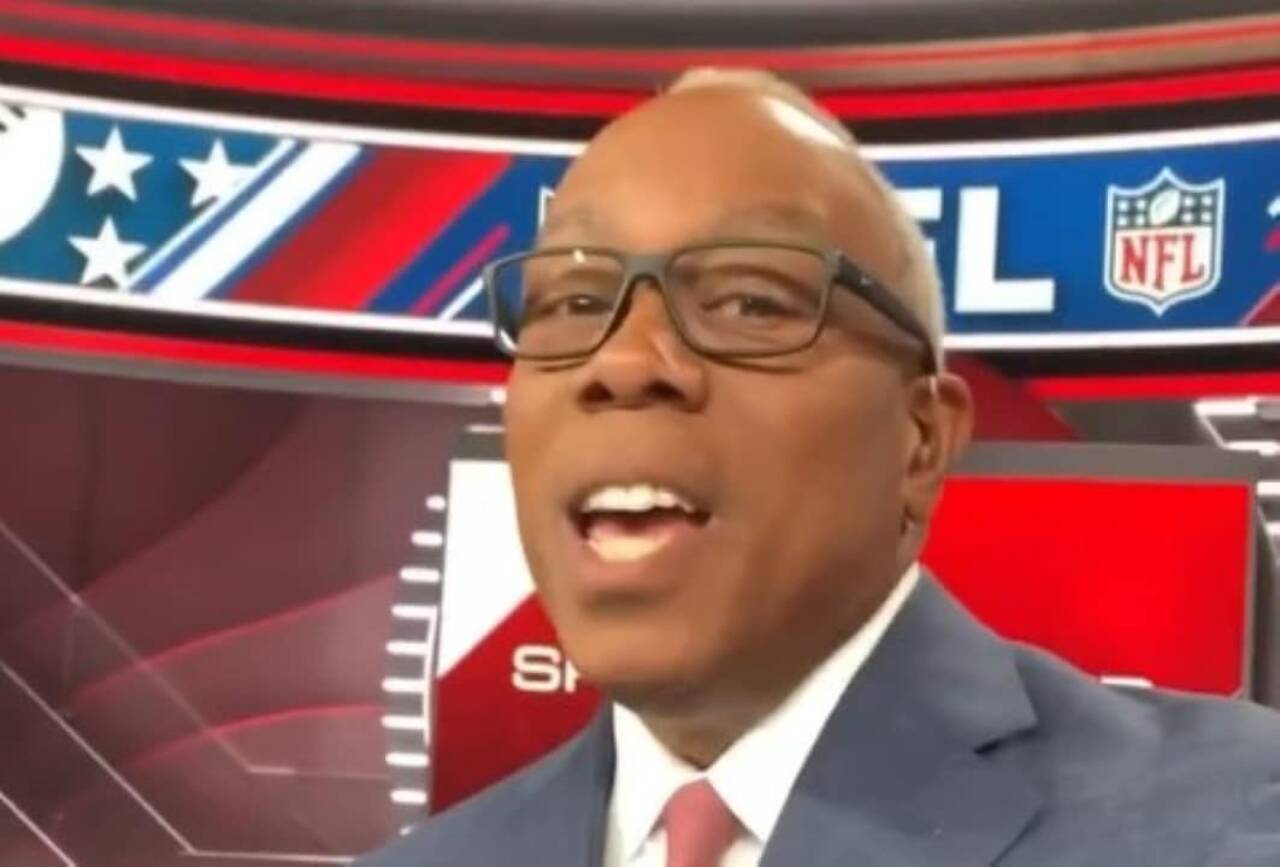
Jay Harris, a veteran anchor of ESPN’s SportsCenter, announced on June 5, 2025, during a Good Morning America broadcast that he has been diagnosed with prostate cancer and will undergo surgery on June 10. The 60-year-old journalist, who has been with ESPN since 2003, shared that he will take a month-long leave from the show to recover, expressing optimism about returning stronger. Harris, speaking alongside host Michael Strahan, emphasized the importance of early detection, particularly for Black men, noting his father and other relatives battled the disease. His doctor reported no signs of cancer spread, raising hopes for a full recovery. The announcement, made with a call for men to prioritize health screenings, sparked widespread support from colleagues, fans, and cancer awareness groups.
The Virginia native, a graduate of Old Dominion University, used the platform to advocate for prostate cancer screenings, such as the PSA test, and to destigmatize men’s health discussions. He credited regular check-ups, prompted by his family history, for catching the cancer early. Harris, wearing a blue tie to symbolize prostate cancer awareness, also drew inspiration from ESPN colleagues like Hannah Storm and Brian Custer, who faced their own cancer battles. His openness resonated with viewers, amplifying conversations about men’s health.
- Key announcement details:
- Diagnosis confirmed about a month ago.
- Surgery scheduled for June 10, 2025.
- One-month hiatus from SportsCenter planned.
- No metastasis detected, per recent scans.
Harris’ story aligns with growing efforts to raise prostate cancer awareness, particularly during September’s Prostate Cancer Awareness Month. His public disclosure aims to encourage proactive health measures among men.
Diagnosis and treatment plan
Jay Harris’ prostate cancer was identified through routine screenings, including a PSA (prostate-specific antigen) test, which measures a protein produced by the prostate. Elevated PSA levels prompted further tests, likely a biopsy, confirming the cancer. Fortunately, scans showed the cancer confined to the prostate, a critical factor for a favorable prognosis.
The upcoming surgery, a prostatectomy, involves removing the prostate gland and is a standard treatment for localized prostate cancer. Medical experts note that when caught early, as in Harris’ case, this procedure often eliminates the need for additional treatments like radiation or chemotherapy. Harris shared that his doctor is highly optimistic, expecting the surgery to fully address the cancer.
By going public, Harris sought to normalize discussions about men’s health issues. He noted that many men avoid addressing “below-the-belt” concerns, which can delay diagnoses and worsen outcomes. His proactive approach underscores the value of early intervention.
Prostate cancer awareness
Prostate cancer is the most common cancer among men in the United States, affecting roughly 1 in 8 men over their lifetime, according to the National Cancer Institute. It ranks as the second-leading cause of cancer death among men, following lung cancer. However, the five-year survival rate for localized cases is near 98%, highlighting the importance of early detection.
Black men, like Harris, face a disproportionately high risk, with a 70% greater chance of developing prostate cancer than white men, per the American Cancer Society. They are also more likely to be diagnosed at advanced stages, making screenings critical. Regular PSA tests and digital rectal exams are recommended starting at age 50, or earlier for high-risk groups, such as those with a family history.
- Prostate cancer risk factors:
- Age over 50.
- Family history of the disease.
- Black ancestry, with higher incidence rates.
- Diets high in fat and low in vegetables.
Harris stressed that his early diagnosis resulted from routine screenings, urging men to overcome discomfort and prioritize these tests. His message aligns with campaigns promoting prostate cancer awareness, particularly in high-risk communities.
Support from peers and fans
During his Good Morning America appearance, Harris expressed gratitude for the support of ESPN colleagues. Hannah Storm, who faced early-stage breast cancer in 2024, has been a daily source of encouragement, offering insights from her experience. Brian Custer, a fellow ESPN anchor who underwent prostate cancer surgery, provided practical advice on recovery, helping Harris prepare for the road ahead.
The V Foundation for Cancer Research, an organization Harris has long supported, issued a statement wishing him a speedy recovery and praising his advocacy. Social media platforms saw an outpouring of support, with fans commending Harris’ bravery and sharing personal stories of cancer battles. Many credited his announcement with motivating them to schedule screenings.
Family history and personal drive
Harris’ diagnosis carries personal weight due to his family’s history with prostate cancer. His father successfully overcame the disease, offering Harris a sense of hope. Other paternal relatives also faced the illness, placing Harris in a high-risk category. This background prompted him to maintain regular screenings, which proved critical in catching the cancer early.
Conversations with friends during a recent golf trip further inspired Harris to speak out. He emphasized the role of public figures in breaking taboos around men’s health, noting that his platform as a SportsCenter anchor gives him a unique opportunity to influence others. Harris hopes his story will prompt men to act proactively, regardless of stigma.
Jay Harris’ ESPN career
Since joining ESPN in February 2003, Jay Harris has become a staple of SportsCenter, anchoring primarily the late-night and midnight editions. His career at the network also includes hosting NFL Live, Baseball Tonight, and covering NBA Finals, earning him widespread recognition. Before ESPN, Harris built a 30-year journalism career, including roles as a lead anchor at WPGH-TV in Pittsburgh and stints at radio stations like WAMO-FM and WOWI-FM.
His accolades include a Silver Medal from the New York Festivals, reflecting his dedication to broadcast excellence. Harris’ warm on-air presence and professionalism have made him a fan favorite, amplifying the impact of his health announcement.
- Notable ESPN programs hosted by Harris:
- SportsCenter (late-night and midnight editions).
- NFL Live.
- Baseball Tonight.
- NBA Finals coverage.
Value of early detection
Early detection remains the cornerstone of effective prostate cancer treatment. The PSA test, central to Harris’ diagnosis, is a simple blood test that can flag potential issues before symptoms arise. When paired with digital rectal exams or advanced imaging, it enables doctors to catch cancer at treatable stages.
The U.S. Preventive Services Task Force advises men aged 55 to 69 to discuss PSA screening with their doctors, weighing individual risk factors like family history or ethnicity. For high-risk individuals, such as Harris, screening may begin at age 45. Awareness campaigns, like those in September, aim to educate men about these options, reducing barriers to care.
Social media response
Harris’ announcement triggered an immediate wave of online support. Fans praised his courage, with one writing that his openness could “save countless lives” by encouraging screenings. Another called him an inspiration, predicting a strong comeback. The V Foundation and other cancer organizations amplified his message, boosting hashtags like #ProstateCancerAwareness to share resources and stories.
Colleagues, including Michael Strahan, posted messages of solidarity, emphasizing Harris’ strength and the ESPN community’s support. The response underscored the power of public figures in driving health conversations.
Harris’ next steps
Set for surgery on June 10, Harris anticipates a month-long recovery before returning to SportsCenter. He remains confident, vowing to come back “better than ever.” During his hiatus, he plans to lean on family, friends, and colleagues while continuing to advocate for prostate cancer awareness.
His decision to share his journey positions him as a role model for men navigating similar diagnoses. By addressing the disease head-on, Harris aims to chip away at the stigma surrounding men’s health issues, potentially influencing broader societal attitudes.
Broader men’s health landscape
Prostate cancer affects approximately 35,770 men annually in the U.S., but advances in diagnostics and treatment have reduced mortality rates, per the American Cancer Society. Innovations like targeted biopsies and improved imaging have enhanced early detection, while treatments like robotic-assisted surgery offer better outcomes.
Awareness campaigns, including September’s Prostate Cancer Awareness Month, play a vital role in educating men about screening and treatment options. Harris’ high-profile announcement contributes to these efforts, particularly for Black men and others at elevated risk, reinforcing that early action can be life-saving.