Unanimous Supreme Court ruling backs Ohio woman in workplace discrimination suit
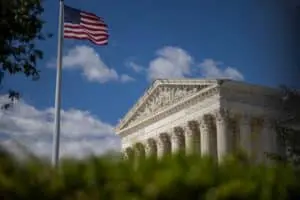
On June 5, 2025, the US Supreme Court unanimously ruled in favor of Marlean Ames, a heterosexual woman from Ohio who claimed she was denied a promotion at the state’s Department of Youth Services due to her sexual orientation. The 9-0 decision overturned a lower court’s dismissal of Ames’ civil rights lawsuit against her employer, sending the case back to lower courts for reevaluation under a less stringent standard for discrimination claims by majority group members. The ruling, which addresses so-called reverse discrimination, comes amid heightened national debates over diversity, equity, and inclusion (DEI) policies, particularly under the Trump administration’s push to curb such initiatives.
The case originated when Ames, an employee at the Ohio Department of Youth Services, was passed over for a promotion that went to a lesbian colleague. She was later demoted to a lower-paying position, with a gay man taking her previous role. Ames filed a lawsuit under Title VII of the Civil Rights Act of 1964, which prohibits workplace discrimination based on race, religion, national origin, and sex, including sexual orientation. The Supreme Court’s decision clarifies how such claims are evaluated, marking a pivotal moment for workplace discrimination law.
- Key elements of the case:
- Marlean Ames alleged discrimination due to her heterosexual orientation.
- A lesbian colleague received the promotion Ames sought.
- Ames was demoted, with a gay man taking her former position.
- The ruling reinterprets Title VII’s application to majority groups.
The decision has sparked widespread discussion, particularly as it aligns with ongoing political efforts to challenge DEI programs. The Trump administration’s recent moves to eliminate federal DEI initiatives have intensified scrutiny of workplace equality policies, making Ames’ case a focal point in this broader debate.
Revised application of Title VII
The Supreme Court’s ruling fundamentally alters how Title VII is applied in reverse discrimination cases. Previously, lower courts often required plaintiffs from majority groups, such as white or heterosexual individuals, to demonstrate a pattern of employer bias against their group. In Ames’ case, the Sixth Circuit Court of Appeals rejected her claims, citing a lack of evidence that the decision-makers, who were also heterosexual, discriminated against her.
Justice Ketanji Brown Jackson, writing for the court, dismissed this heightened standard. She emphasized that Title VII does not impose additional burdens on majority group plaintiffs, ensuring equal protection for all workers. The ruling was hailed by labor rights advocates as a step toward fairness in workplace law, though some critics warned it could lead to a surge in litigation.
The case’s return to lower courts will test the new standard, potentially setting a precedent for similar disputes. Employers now face increased pressure to ensure their hiring and promotion processes withstand scrutiny under this broader interpretation of Title VII.
Political and social backdrop
The Ames case unfolds against a charged political landscape. Since the start of his second term in 2025, President Donald Trump has prioritized dismantling DEI programs across federal agencies. Hundreds of employees tied to diversity initiatives have been dismissed, and federal funding for universities with DEI programs has been slashed. These actions have fueled legal challenges and public protests, with the Ames ruling adding another layer to the controversy.
In 2023, the Supreme Court struck down affirmative action in college admissions, prompting conservative groups to target workplace DEI policies. Over the past two years, courts have seen a wave of lawsuits aiming to dismantle corporate diversity measures. The Ames decision, while narrowly focused, underscores the judiciary’s role in reshaping equality policies amid these shifts.
- Recent Trump administration actions:
- Banned DEI programs in federal agencies.
- Terminated employees linked to diversity roles.
- Cut federal funding for universities with DEI initiatives.
- Supported lawsuits challenging corporate inclusion policies.
Responses to the ruling
The unanimous Supreme Court decision caught some observers off guard, given the ideological divide often seen in high-profile cases. Labor unions and workplace rights groups praised the ruling, arguing it strengthens protections for all employees. A spokesperson for a national labor organization noted that the decision ensures Title VII’s universal application, regardless of a worker’s background.
Conversely, conservative advocacy groups expressed concerns that the ruling could be weaponized to undermine DEI efforts. A legal analyst tied to an anti-DEI organization suggested that the eased standard for reverse discrimination claims might deter companies from pursuing inclusion programs. In Ohio, businesses have begun reevaluating promotion policies to mitigate legal risks.
Marlean Ames herself issued a brief statement to local media, expressing relief at the court’s decision but declining to elaborate on her legal strategy. Her case, now back in lower courts, is expected to draw significant attention as it progresses.
Leia Também

Empresária relata saga burocrática para garantir devolução de mais de US$ 15 mil em tarifas federais

Após décadas, assassinato de pastor na Geórgia em 1996 tem detento com prisão perpétua indiciado

Promotor é considerado em desacato judicial por comentários públicos em assassinato de Charlie Kirk, mas pena de morte não é afastada
Supreme Court rules Ohio woman can move forward with complaint that state agency discriminated against her for being heterosexual https://t.co/9537K7zWyP pic.twitter.com/9fpoOeci7A
— New York Post (@nypost) June 5, 2025
History of similar cases
Reverse discrimination lawsuits are not new, but few reach the Supreme Court. In recent years, the court has tackled several Title VII-related cases, including a landmark 2020 ruling that extended protections to sexual orientation and gender identity. The Ames case stands out for addressing discrimination against a majority group member in a workplace promotion context.
In 2018, a white male plaintiff alleging racial discrimination in a promotion was denied by a federal appeals court, but the case did not advance to the Supreme Court. In 2022, a heterosexual woman’s lawsuit against a public university garnered attention but was settled out of court. These examples highlight the challenges reverse discrimination plaintiffs face, making the Ames ruling a notable shift.
The court’s unanimity was particularly striking. Unlike contentious rulings on issues like abortion or voting rights, the Ames case bridged ideological divides, reflecting a shared commitment to equal application of anti-discrimination laws.
Employer implications
The Supreme Court’s decision places employers in a complex position. Companies with DEI programs must now navigate the risk of reverse discrimination lawsuits while maintaining inclusive practices. In Ohio, trade associations have launched workshops to guide managers on transparent promotion processes.
Legal experts advise employers to maintain detailed records of hiring and promotion decisions, ensuring they are grounded in objective criteria. Some organizations are also revising DEI policies to align with the updated Title VII interpretation, aiming to avoid legal challenges.
- Employer recommendations:
- Document all hiring and promotion decisions thoroughly.
- Establish clear, objective criteria for advancements.
- Train managers to avoid bias in decision-making.
- Review DEI policies for legal compliance.
Public discourse
The Ames case has reignited debates over workplace diversity policies. Online forums and media outlets reflect a divide, with some viewing the ruling as a necessary correction to ensure fairness and others fearing it could erode inclusion efforts. In public sector unions in Ohio have held forums to discuss the ruling’s implications, while community groups have organized debates on workplace equality.
Local Ohio media portrayed Ames as a dedicated employee facing workplace injustice, while national outlets framed the case within the broader context of anti-DEI sentiment. Editorials have speculated on how the ruling might shape future litigation, with some predicting a rise in reverse discrimination claims.
Next steps for the case
With the case remanded to lower courts, Marlean Ames will have the chance to present additional evidence to support her discrimination claim. The Ohio court must apply the Supreme Court’s new standard, which could lead to a ruling in her favor or further appeals. Legal observers expect the case to remain a focal point for both employers and civil rights groups.
The decision is already influencing other lawsuits. In states like Texas and Florida, where DEI policies face strong opposition, attorneys report increased inquiries from workers alleging reverse discrimination. The precedent set by the Ames case could reshape the legal landscape for workplace disputes.
Broader legal trends
The Ames ruling aligns with a broader Supreme Court trend toward emphasizing formal equality in anti-discrimination law. The 2023 affirmative action decision and now the Ames case reflect a judicial preference for policies that avoid favoring specific groups. This approach has sparked concern among civil rights advocates, who worry it could weaken inclusion efforts, while conservative groups see it as a correction to perceived overreaches in diversity policies.
The case also underscores the Supreme Court’s influence in a time of social and political upheaval. With the Trump administration advancing an anti-DEI agenda, judicial rulings like this one could redefine workplace norms and societal expectations around equality.