
On the afternoon of Thursday, June 12, 2025, a wave of instabilities struck essential internet services, affecting giants like Google, Amazon, OpenAI, Cloudflare, and Anthropic. Reports of failures began around 2:30 PM, Brasília time, and intensified throughout the day, with thousands of users facing difficulties accessing digital platforms. According to the Downdetector website, Google recorded over 2,700 complaints in just one hour, while other companies also accumulated reports. The origin of the issue remains unknown, and the companies are still investigating the causes, which impacted everything from search tools to cloud computing services. The situation exposed the global reliance on digital infrastructures and sparked debates about the resilience of the modern internet.
The scale of the incident was surprising due to its breadth, affecting regions such as the United States, Europe, and Asia. Monitoring platforms like Downdetector reported spikes in complaints across various services, from Google Cloud to Amazon Web Services (AWS). Users faced issues accessing websites, performing searches, and using AI tools like OpenAI’s ChatGPT.
- Affected services: Google Cloud, Amazon Web Services, OpenAI, Cloudflare, Anthropic.
- Start time: Issues began at 2:30 PM, Brasília time.
- Impacted regions: North America, Europe, and Asia.
The failures raised questions about the robustness of the infrastructures underpinning the internet, especially at a time when digitalization is central to businesses and users.
Initial reports and reactions
Around 2:00 PM, users began noticing slowdowns and errors when accessing online services. For Google, issues were reported in tools like search, Gmail, and Google Cloud, with failures in login and server connections. Amazon Web Services, which supports countless websites and applications, also experienced instabilities, affecting platforms like Twitch and GitHub. OpenAI faced difficulties with ChatGPT and its video generation tool, Sora, impacting both regular users and businesses relying on its APIs.
Cloudflare, one of the first to comment, stated it was investigating intermittent failures in its network. In a statement, the company noted that some services were starting to recover, but errors were still expected. Google also confirmed the instabilities, stating that its engineers were working to identify and fix the issue, though without details on the cause.
Global scale of the failures
The magnitude of the incident was amplified by the interconnectedness of digital services. Google Cloud, for instance, is used by thousands of companies for hosting and development, and its failures caused a ripple effect. According to Downdetector, at 4:06 PM, the peak of complaints for Google Cloud reached 2,745 reports, with issues related to hosting, websites, and server connections.
In Europe, users reported difficulties accessing banking services and streaming platforms reliant on Amazon’s infrastructure. In Asia, cloud-based productivity tools, such as Google Workspace, experienced slowdowns. The situation generated thousands of complaints on social media, with users sharing screenshots of errors and unavailability messages.
- Google Cloud: 2,745 complaints at 4:06 PM, with failures in hosting and servers.
- Amazon Web Services: Impact on Twitch, GitHub, and other dependent services.
- OpenAI: ChatGPT and Sora with errors, affecting APIs and end users.
- Cloudflare: Intermittent failures in its global network.
Reliance on cloud infrastructures
The instability highlighted the fragility of systems that sustain the modern internet. Google Cloud, for example, is a cornerstone of cloud computing, providing resources for developers and businesses. Its failures affected everything from startups to large corporations dependent on its infrastructure. Similarly, AWS is critical to the operation of countless platforms, and any disruption in its services has significant impacts.
Experts note that the centralization of services in a few companies, like Google and Amazon, increases the internet’s vulnerability. When one of these giants faces issues, the domino effect is inevitable, affecting everything from small businesses to critical services like healthcare and finance. Today’s situation underscores the need for greater redundancy and diversification in digital infrastructure.
Company responses
Cloudflare was the first to issue an official statement, noting that it was already seeing signs of recovery in some services. The company, which provides protection and optimization for websites, stated it continued to monitor the situation. Google, meanwhile, limited itself to confirming awareness of the failures and that its engineers were working on a resolution, without providing a timeline for normalization.
OpenAI, which faced instabilities two days ago on June 10, 2025, also confirmed issues with ChatGPT and its APIs. The company stated it was investigating the causes but provided no further details. Amazon, so far, has not issued an official statement, though Downdetector reports indicate that AWS was one of the most affected services.
History of instabilities
Incidents like today’s are not unprecedented. On June 10, 2025, OpenAI faced a significant outage, with ChatGPT and Sora offline for several hours. At the time, the company attributed the failures to server overload but did not detail preventive measures. Google has also faced similar issues, such as in August 2021, when services like Gmail and Google Drive were unstable for a few hours.
Amazon, in turn, experienced notable instabilities in May 2023, when AWS affected various websites and services using its servers. These episodes highlight the recurrence of failures in cloud infrastructures, especially during high demand or unexpected technical issues.
Impact on users and businesses
Today’s failures directly affected millions of users and businesses worldwide. Small businesses relying on Google Cloud for website hosting faced challenges maintaining their online operations. Companies using ChatGPT for task automation or customer service were also impacted, with disruptions in workflows.
Regular users reported frustration when trying to access basic services, such as emails on Gmail or videos on YouTube. The situation led to a significant increase in searches for terms like “Google down” and “AWS unstable,” indicating the scale of the issue. On social media, memes and complaints dominated discussions, with users calling for greater transparency from the companies.
- Small businesses: Websites offline due to failures in Google Cloud and AWS.
- End users: Difficulties accessing Gmail, YouTube, and ChatGPT.
- Tech companies: Disruptions in APIs and automation tools.
Need for greater transparency
The lack of detailed statements from the involved companies drew criticism. Users and experts demanded more transparency about the causes of the failures and timelines for resolution. Incidents like today’s highlight the importance of real-time monitoring systems and contingency plans to minimize impacts.
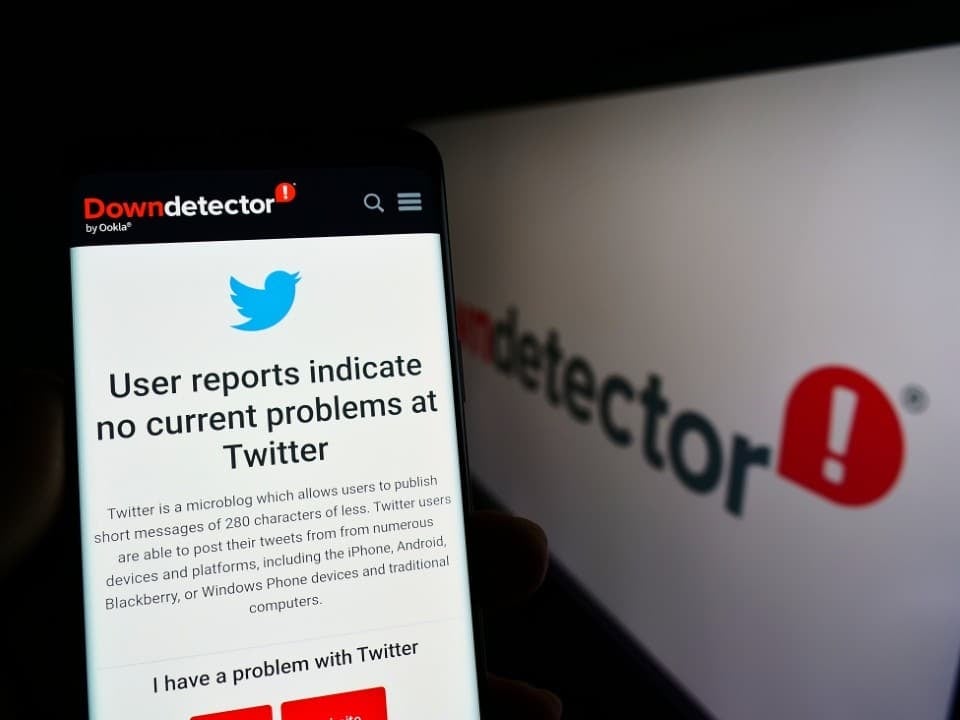
Downdetector, for example, played a crucial role by providing real-time data on the failures, allowing users to confirm the extent of the issue. Tools like this have become essential for monitoring the stability of online services, especially in a context of growing digital dependence.
Debate on digital resilience
Today’s instability reignited discussions about the need for more robust infrastructures. The concentration of services in a few companies, such as Google, Amazon, and Cloudflare, creates single points of failure that can compromise the global internet. Solutions like decentralized networks and greater server redundancy have been proposed as alternatives to reduce risks.
Additionally, the incident underscored the importance of investments in cybersecurity and system maintenance. While there is no evidence that today’s failures were caused by cyberattacks, the possibility of similar incidents in the future reinforces the need for preparedness.
Evolving scenario
At 6:31 PM, Brasília time, Google Workspace published an update on its status dashboard, indicating that some services were starting to stabilize. However, intermittent issues were still reported in tools like Google Meet and Gmail. Cloudflare, meanwhile, reported that most of its services were operational but continued to monitor for potential failures.
OpenAI, which faced similar instabilities two days ago, confirmed that ChatGPT was partially operational but still experiencing errors in some regions. Amazon, as of the time of this writing, had not issued an official statement, leaving users and businesses without clear information about AWS recovery.
