

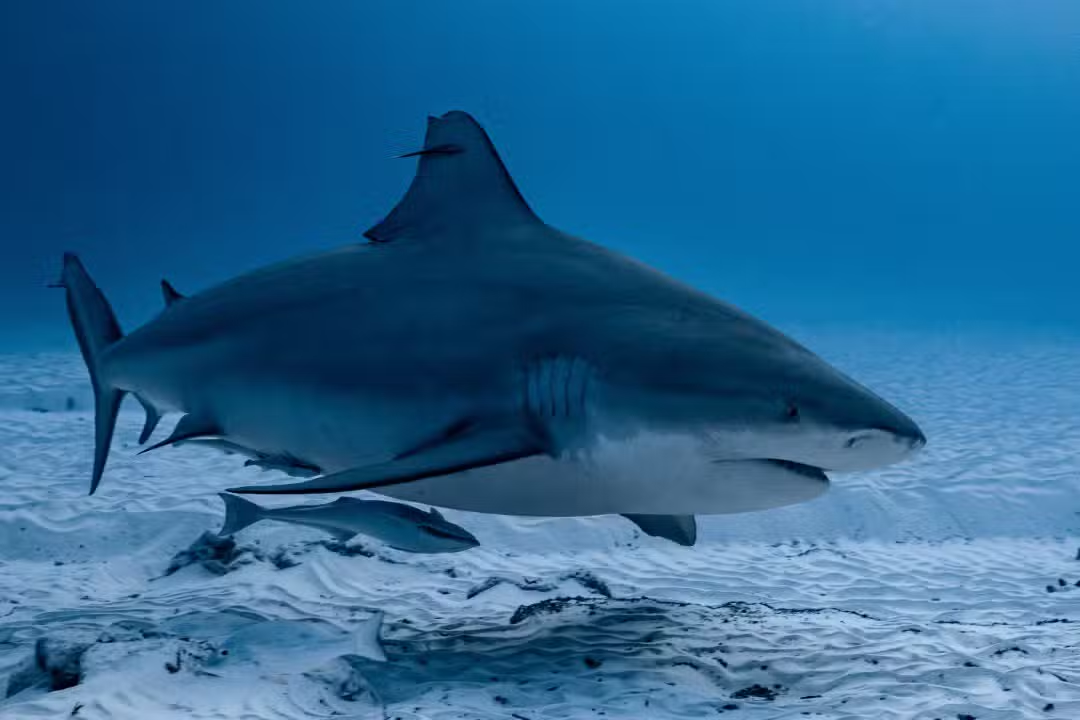
A 9-year-old girl, identified as Leah Lendel, was severely injured after a shark attacked her while snorkeling off Boca Grande, on Florida’s southwest coast, around noon on Wednesday, June 11, 2025. The incident took place near Fort Myers, and the child was airlifted to a trauma center. According to her family, Leah surfaced screaming, her right hand drenched in blood and nearly detached from her arm. The attack shocked beachgoers and reignited concerns about safety in an area known for having the highest number of shark attacks globally.
Nearby construction workers, including Alfonso Tello and Raynel Lugo, heard the cries for help and rushed into the water. They described the scene as harrowing, with the girl bleeding heavily as they pulled her to safety. Their quick actions were vital in stabilizing her until paramedics arrived.
- Incident details: The attack occurred during a snorkeling session in shallow waters near Shore Lane beach.
- Immediate response: Witnesses used a towel to control the bleeding and called 911.
- Victim’s condition: Leah was taken to a specialized hospital, though her current status remains undisclosed.
- Suspected species: Witnesses believe a bull shark was responsible, known for its aggressive behavior.
The local community was left shaken, with many expressing grief and heightened caution about beach safety.
Swift actions of rescuers
Alfonso Tello, one of the workers who aided in the rescue, said he and his colleagues were on a break when they heard screams. They jumped into the water without realizing a shark was involved. Tello described the sight of the girl’s nearly severed hand as unforgettable. Raynel Lugo, another witness, reported seeing the shark near the surface, estimating it to be about 8 feet long.
Lugo’s account underscores the severity: the girl emerged with exposed bones and heavy bleeding. He and others applied a towel as a makeshift tourniquet to stem the blood loss while waiting for emergency services. Lugo praised the child’s bravery, noting she reminded him of his own 9-year-old daughter.
Bull shark profile
Witnesses suspect a bull shark caused the attack, though authorities have yet to confirm the species. Bull sharks are common in Florida’s coastal waters, particularly near estuaries and channels.
- Traits: Bull sharks can grow up to 11.5 feet and are known for their strength and unpredictability.
- Habitat: They frequent shallow waters, increasing the risk for swimmers and divers.
- Threats: They account for a significant portion of shark attacks in Florida.
Studies show bull sharks are drawn to areas with high human activity, especially during summer when tourism peaks.
Confirming the species is key to understanding the shark’s behavior and informing prevention strategies. Experts urge authorities to enhance aquatic patrols and install warning signs at high-risk beaches.
Shark attack trends in Florida
Florida is often called the shark attack capital of the world, accounting for about 50% of U.S. incidents. In 2024, the state recorded 14 of the 28 confirmed shark bites in American waters, according to the International Shark Attack File. This reflects both the high shark population and the heavy human presence in its waters.
Volusia and Brevard counties typically see the most incidents, but attacks in Lee County, home to Boca Grande, are not rare. Most cases involve accidental bites, with sharks mistaking humans for natural prey like fish.
Beach safety measures
Following the attack, local officials emphasized preventive measures to reduce risks. The Boca Grande Fire Department issued an advisory urging swimmers to avoid going alone or entering murky waters.
- Avoid peak times: Dawn and dusk, when sharks are most active.
- Stay near shore: Shallower waters lower the chance of encountering larger sharks.
- Avoid shiny objects: Jewelry or reflective clothing can attract sharks.
- Heed warnings: Follow lifeguard instructions and beach signage.
Some Florida beaches employ drones for shark monitoring, a method proven effective in other regions like Australia.
Local reactions and community impact
Pamela Krout, a regular at Boca Grande beach, expressed sympathy for the victim and stressed the need for vigilance. She said she sticks to shallow waters to minimize risks. Other beachgoers voiced fear but noted that shark attacks, while high-profile, remain rare.
The incident sparked discussions about balancing tourism with safety, especially during peak season. Local businesses worry about potential declines in visitors, though officials maintain that beaches are safe with proper precautions.
Official response
The Boca Grande Fire Department and Florida Fish and Wildlife Conservation Commission are investigating to confirm the shark species and assess the attack’s circumstances. No plans to close the beach have been announced, but water patrols have increased.
Authorities are also planning educational campaigns to inform tourists and residents about safe practices. These include school talks and distributing flyers at tourist hotspots.
Past incidents in the area
Boca Grande has seen shark attacks before, though it’s less notorious than other Florida regions. In 2018, a teenager was bitten while fishing nearby, sustaining minor injuries. Such cases highlight the need for ongoing vigilance, particularly in less urbanized beaches.
The area’s proximity to the Gulf of Mexico and its rich marine ecosystems make it a hotspot for sharks. Research suggests fish migrations in summer draw more predators, potentially contributing to the attack.
Media coverage and public sentiment
Local media has extensively covered the story, focusing on the rescuers’ heroism and the attack’s severity. Reports stress the need to balance tourism with safety without causing panic. Experts interviewed by local stations note that shark attacks are statistically uncommon but require constant awareness.
Leah Lendel’s story, while tragic, has highlighted community solidarity, with reports of donations and support messages for her family. The swift response of bystanders was credited with saving her life.
Future prevention efforts
Experts advocate expanding monitoring technologies, such as sonars and drones, at high-risk beaches. Educational programs could also raise awareness about shark behavior and how to avoid encounters.
Officials are exploring partnerships with universities to study shark patterns in the region, aiming to map high-risk zones. While costly, these measures are seen as vital to protect both beachgoers and marine life.