Where to watch the 24 Hours of Le Mans 2025 live
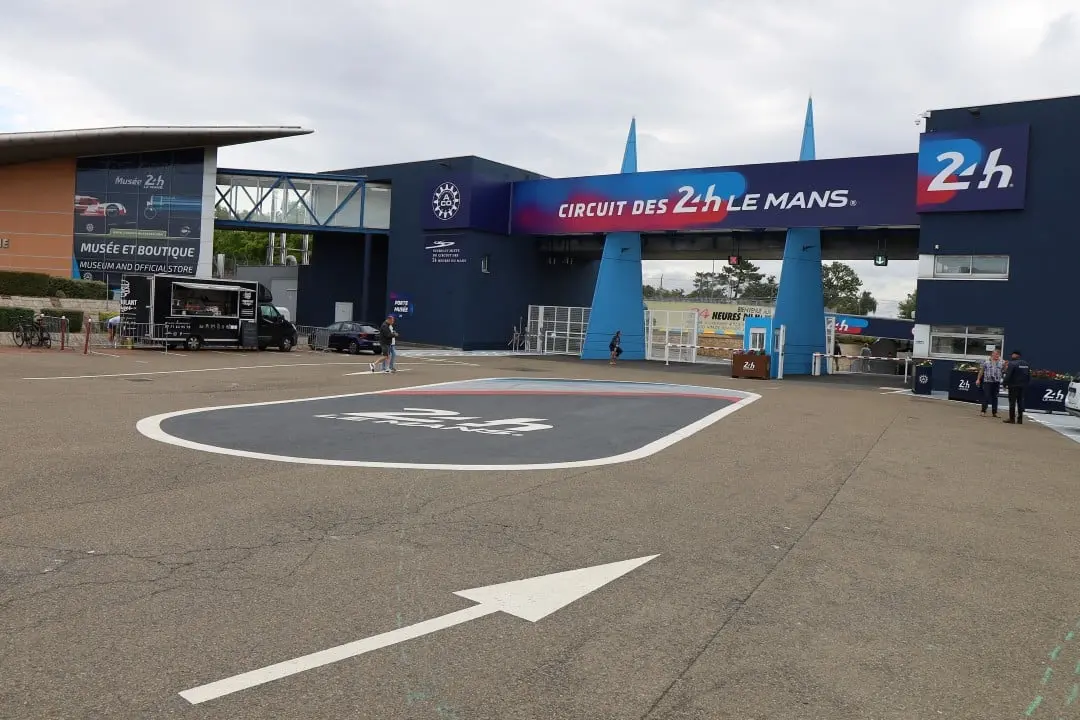
The 2025 24 Hours of Le Mans, the highlight of the World Endurance Championship (WEC), takes place from June 11 to 15 at the La Sarthe circuit in France, featuring 62 cars and 186 drivers, including eight Brazilians, such as Felipe Nasr, in the hypercar category. The race, set to start on Saturday, June 14, at 10 a.m. (Brasília time), will be broadcast live in Brazil by GRANDE PRÊMIO and GPTV, covering practice sessions, qualifying, and the main event. Ferrari, the championship leader, faces strong competition from Porsche and Peugeot in a race that tests speed, strategy, and endurance. Known for its grueling duration and nighttime segments, the event draws millions of viewers worldwide.
The Brazilian participation is a key highlight, with drivers competing in various categories, including hypercar and LMP2, which makes its only appearance in the WEC calendar at Le Mans. Held since 1923, the race is a cornerstone of motorsport, blending tradition and innovation. The 13.6-km circuit demands precise adjustments from teams facing challenges like weather changes and long straights.
- Key attractions of the 2025 edition:
- Eight Brazilian drivers, with Felipe Nasr in the Porsche #4 standing out.
- Ferrari aims to maintain its lead after three WEC victories.
- Full broadcast in Brazil, covering practice and the race.
- Fierce competition in the LMGT3 category, featuring Corvette, Porsche, and Ferrari.
The week of activities begins on Wednesday with practice sessions and culminates in the Saturday start, promising 24 hours of intense racing.
Intense schedule at the La Sarthe circuit
Preparations for the 2025 24 Hours of Le Mans begin on Wednesday, June 11, with the first free practice at 8:45 a.m. (Brasília time). The three-hour session allows teams to fine-tune their cars for the circuit. At 1:30 p.m., the initial qualifying determines the fastest in the hypercar, LMP2, and LMGT3 categories, with the top performers advancing to the hyperpole on Thursday. The second free practice, at 4:45 p.m., takes place at night, crucial for testing visibility and headlights.
On Thursday, the third free practice starts at 9:30 a.m., followed by the hyperpole at 2:45 p.m., which sets the starting grid. The fourth practice, at 5:45 p.m., lasts one hour and focuses on final adjustments. On Saturday, a warm-up at 6:45 a.m. precedes the race start at 10 a.m. The schedule demands precision from teams, especially on a circuit known for its technical challenges.
Ferrari’s favoritism and fierce competition
Ferrari arrives at Le Mans as the WEC 2025 leader, with victories in the first three rounds: Qatar, Imola, and Spa-Francorchamps. Car #50, driven by Antonio Fuoco, Miguel Molina, and Nicklas Nielsen, won the 1,812 km of Qatar, while car #51, with Alessandro Pier Guidi, Antonio Giovinazzi, and James Calado, triumphed in the next two races. The Italian team has shown versatility by adjusting aerodynamic setups for each event.
Porsche, however, remains a strong contender. The 963 model, with Felipe Nasr in car #4, has been consistent, and the team is banking on the Brazilian’s experience to challenge Ferrari. Peugeot, preparing a new prototype for 2027, has upgraded its 9X8, aiming to surprise. In the LMGT3 category, competition is tight, with Corvette, Porsche, and Ferrari splitting victories in prior rounds, setting the stage for an unpredictable Le Mans.
Brazilian presence on the track
Eight Brazilian drivers are competing, showcasing the strength of Brazilian motorsport. Felipe Nasr, in the hypercar category, is a standout, driving the Porsche #4. His experience in international series like Formula 1 and IMSA makes him a key hope for Brazil. Other Brazilians race in the LMP2 and LMGT3 categories, tackling the demands of a circuit that requires endurance and precision.
The significant Brazilian contingent at Le Mans reflects the growing global influence of the country’s motorsport. Live coverage by GRANDE PRÊMIO allows fans to follow every lap, with commentary highlighting the performance of their compatriots. The race is a platform for these drivers to shine in an event watched by millions.
Features of the La Sarthe circuit
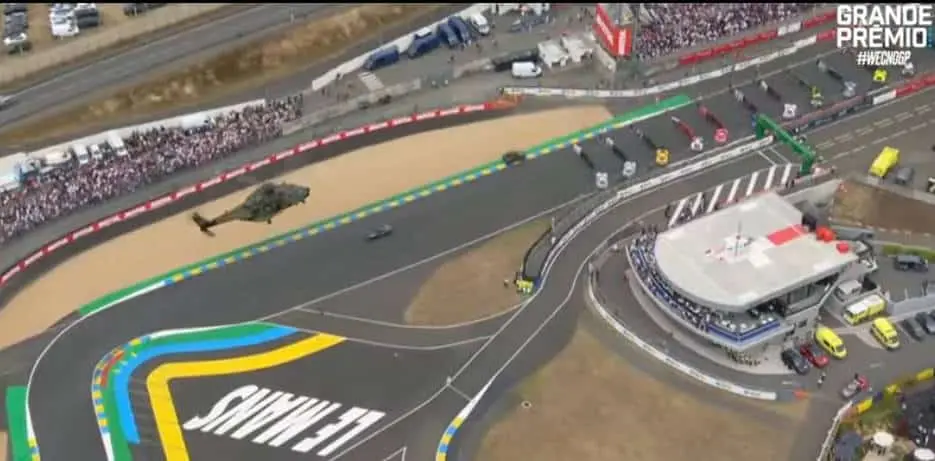
The 13.6-km La Sarthe circuit is one of motorsport’s most challenging tracks. Its long straights, like Mulsanne, allow speeds above 300 km/h, while technical corners, such as Tertre Rouge, demand skill. The 24-hour race tests car durability and driver stamina, with teams rotating drivers in shifts.
- Elements that make Le Mans unique:
- Mix of high-speed straights and technical corners.
- Nighttime segments requiring headlight and driving adjustments.
- Three categories on track: hypercar, LMP2, and LMGT3.
- Weather influences that can alter strategies.
The circuit’s history, hosting the race since 1923, adds symbolic weight. Brands like Porsche, with 19 wins, and Ferrari, with 10, have built legacies at Le Mans, making each edition a new chapter in a century-long tradition.
Leia Também

Empresária relata saga burocrática para garantir devolução de mais de US$ 15 mil em tarifas federais

Após décadas, assassinato de pastor na Geórgia em 1996 tem detento com prisão perpétua indiciado

Promotor é considerado em desacato judicial por comentários públicos em assassinato de Charlie Kirk, mas pena de morte não é afastada
Accessible broadcast in Brazil and worldwide
In Brazil, GRANDE PRÊMIO and GPTV provide full coverage, from Wednesday’s free practice sessions to the Saturday race. Broadcasting begins at 8:45 a.m. on Wednesday and continues with expert commentary during the 10 a.m. start on Saturday. The five-hour time difference with France means Brazilian fans will need to stay up late to follow the event.
Globally, Eurosport covers the race in Portugal, while SuperSport broadcasts in Africa. The schedule, tailored to different time zones, ensures Le Mans reaches a wide audience. Brazil’s detailed coverage offers fans a chance to connect with the race’s excitement, especially with the strong Brazilian presence.
Balance in the LMGT3 category
The LMGT3 category is the most unpredictable in WEC 2025. In Qatar, the Corvette #33 from TF Sport won, while the Porsche #92 from Manthey triumphed in Imola. The Ferrari #21 from AF Corse took the victory in Spa-Francorchamps, highlighting the balance among brands. At Le Mans, the competition is expected to be fierce, with cars based on road models, like the Porsche 911 GT3 R and Ferrari 296 GT3.
LMGT3 serves as a showcase for young drivers and smaller teams competing in a talent-filled grid. The category draws attention for its accessibility, featuring cars resembling market-available models but adapted for high-performance racing.
Strategic team preparation
Teams spend months preparing for Le Mans, fine-tuning cars to balance speed and durability. Ferrari tested various aerodynamic setups, while Porsche focused on the 963’s reliability. Peugeot, with its 9X8, introduced updates to boost performance, despite eyeing a 2027 prototype.
Free practice sessions are critical for car setup, particularly in nighttime conditions with limited visibility. Thursday’s hyperpole sets the grid, but at Le Mans, the 24-hour strategy is decisive. Pit stops for refueling, tire changes, and driver rotations require perfect coordination.
Le Mans’ tradition and prestige
Held since 1923, the 24 Hours of Le Mans is a motorsport landmark. It is part of the “Triple Crown,” alongside the Monaco GP and Indianapolis 500, making it one of the sport’s most prestigious events. Brands like Porsche, Audi, and Ferrari have cemented their reputations at La Sarthe, while historic moments, like the Ford-Ferrari rivalry in the 1960s, have defined the race.
The 2025 edition upholds this tradition, with 62 cars and drivers from various countries. The presence of eight Brazilians underscores the event’s global appeal, drawing millions of viewers through live broadcasts and specialized coverage.
Focus on strategy and endurance
The 24-hour duration makes Le Mans a test of endurance, where strategy is as critical as speed. Teams optimize fuel consumption and tire durability to minimize pit stops. Weather conditions, like rain, can disrupt the race’s pace, requiring quick decisions.
- Factors shaping Le Mans strategy:
- Management of pit stops for refueling and tire changes.
- Driver rotations to maintain pace.
- Adjustments for nighttime segments and potential rain.
- Ensuring mechanical reliability over 24 hours.
The blend of speed, endurance, and strategy makes Le Mans a unique race, where small details can determine victory.