Tesla begins robotaxi tests in Austin with enhanced safety
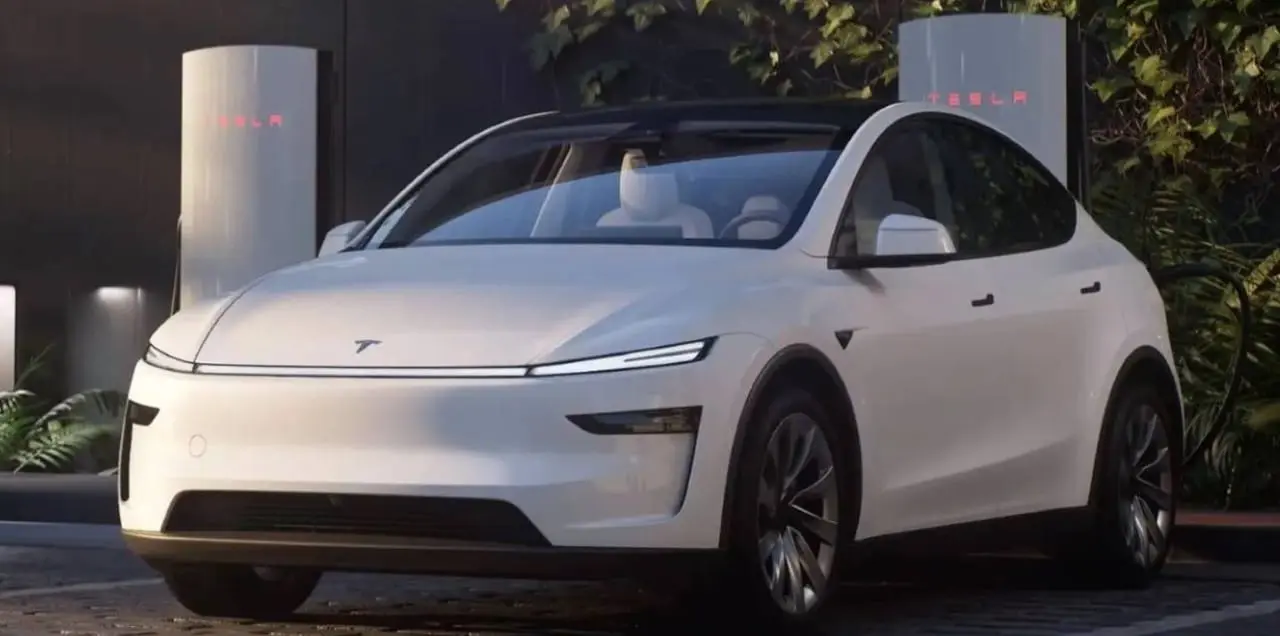
On Sunday, June 22, 2025, Tesla took a significant step by launching its highly anticipated robotaxi service in Austin, Texas, marking the start of a pilot project that promises to transform urban mobility. Led by Elon Musk, the company deployed an initial fleet of about 10 Model Y vehicles, equipped with a new version of its autonomous driving software, to transport selected passengers, such as investors and influencers, in specific city areas. Priced at a flat rate of $4.20 per ride, the service operates from 6 a.m. to midnight, under the supervision of safety monitors and with restrictions like geofencing to ensure safe operations. The event, described by Musk as the “culmination of a decade of work,” comes amid regulatory challenges and fierce competition from companies like Waymo but reflects Tesla’s ambition to lead the autonomous vehicle market. The initiative, which began with driverless tests in Austin, is a milestone for the company, aiming to regain trust after declining sales and controversies involving its CEO.
The choice of Austin as the starting point was no coincidence. The city, Tesla’s headquarters, is a tech hub with favorable infrastructure and permissive state legislation for autonomous vehicles, though new rules are set for September. The launch, originally planned for June 12, was delayed to ensure safety adjustments, highlighting the company’s caution amid public and regulatory demands.
- Key features of the launch:
- Initial fleet of 10 to 20 Model Y vehicles.
- Operation limited to specific areas with geofencing.
- Safety monitors present in the front seats.
- Flat rate of $4.20 per ride.
- Restrictions in adverse weather conditions.
The expectations surrounding the project are high, but the landscape is complex. Tesla faces competition from companies like Waymo, which already operates commercial robotaxi services in several U.S. cities, and must address concerns about the safety of its technology, which relies solely on cameras, unlike rivals using sensors like lidar.
Why was Austin chosen?
The decision to start in Austin reflects a mix of strategic and practical factors. The city hosts Tesla’s Gigafactory, facilitating logistics for testing and vehicle maintenance. Additionally, Texas has had favorable autonomous vehicle legislation since 2017, when it barred cities from imposing local regulations, creating an ideal environment for innovations like the robotaxi. However, new rules set to take effect in September 2025 have sparked debates. Seven Texas Democratic lawmakers, including Senator Sarah Eckhardt, urged Tesla to delay the launch until the regulations, which require state permits and emergency information, are implemented.
Austin’s tech ecosystem is also a draw. Known for its startup community and AI talent, the city supports the development of Tesla’s autonomous driving software. Yet, the presence of competitors like Waymo, operating robotaxis in Austin since March 2025, and Amazon’s Zoox intensifies pressure on Tesla to deliver a reliable and scalable service.
Saiba mais: Tesla inicia testes de robotaxi em Austin com segurança reforçada
Technology behind the robotaxi
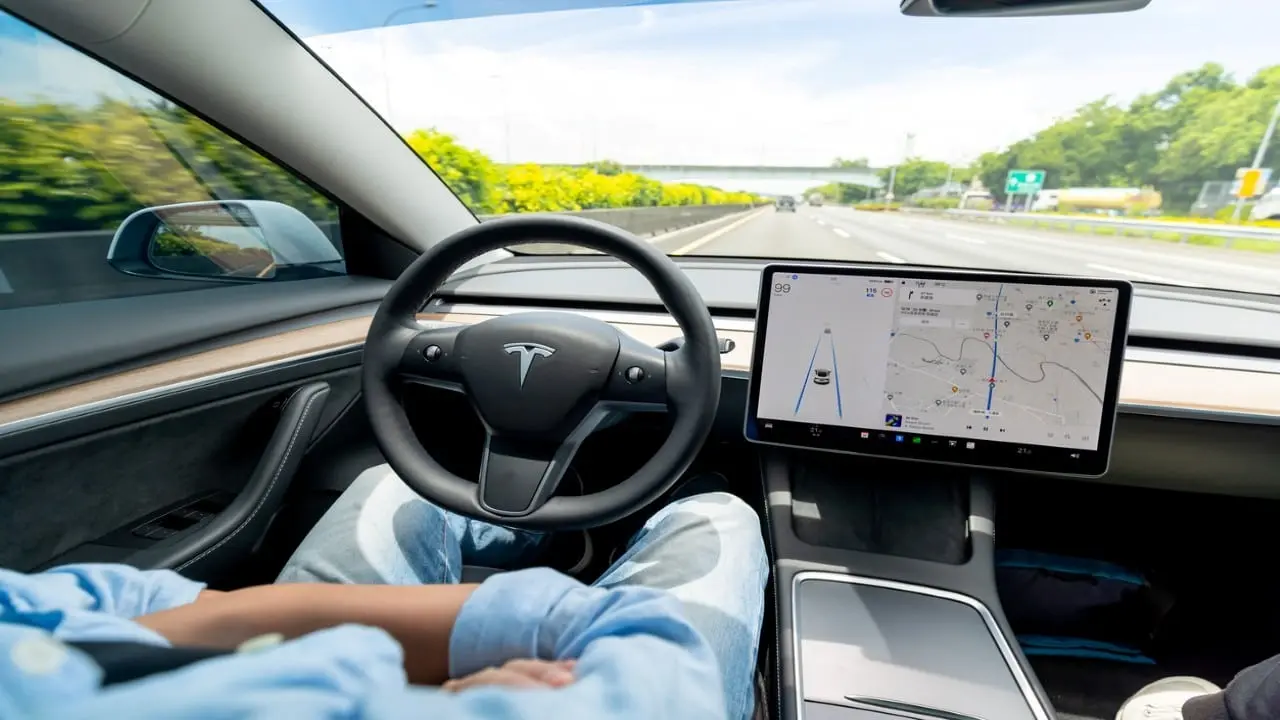
Tesla’s robotaxi service relies on an advanced version of its Full Self-Driving (FSD) software, described by Musk as “unsupervised.” Unlike competitors combining cameras, radars, and lidar sensors, Tesla’s approach uses vision-based computing solely through cameras, reducing costs but raising safety concerns. Experts like Phil Koopman from Carnegie Mellon University note that the lack of additional sensors may limit the vehicles’ ability to handle complex scenarios, such as busy intersections or adverse weather.
Tesla implemented measures to mitigate risks. The vehicles operate in geofenced areas, avoiding challenging intersections, and are remotely monitored by company staff. Additionally, safety monitors in the front seats have access to a “kill switch” to halt operations in emergencies, though no steering wheels or pedals are available for manual intervention. These precautions reflect the company’s cautious approach, which Musk described as “extremely paranoid” about safety.
- Tesla’s technology highlights:
- Exclusive use of cameras for navigation.
- FSD software optimized for specific areas.
- Real-time remote monitoring.
- Geofencing to restrict operational zones.
Initial reactions and regulatory challenges
Early feedback from users, mostly invited influencers and investors, was positive. Sawyer Merritt, a prominent Tesla enthusiast, shared on social media that the experience was “fantastic,” praising the driverless operation and smooth ride. However, isolated reports noted interventions by the remote support team during some rides, suggesting the technology still requires fine-tuning.
Veja Também
On the regulatory front, Tesla faces scrutiny. The National Highway Traffic Safety Administration (NHTSA) requested details on the project’s safety measures, including handling adverse conditions and accident reporting. Tesla’s response is under review, but pressure for transparency is growing. Additionally, resistance from local lawmakers calling for stricter regulations signals potential hurdles for service expansion.
Tesla also navigates a delicate political landscape. Musk’s association with controversial figures and past decisions has alienated some consumers, particularly liberals, a key demographic for electric vehicles. This contributed to Tesla’s global sales decline, making the robotaxi’s success critical for the company’s financial recovery.
Cobertura completa: Autos
Competition in the robotaxi market
The robotaxi market is heating up, and Tesla enters as a latecomer compared to established players. Waymo, part of Alphabet, completed 10 million rides by May 2025 and operates in cities like Phoenix, Los Angeles, San Francisco, and Austin. Its partnership with Uber strengthens its market position. Other companies, like Amazon’s Zoox and Avride, are also testing autonomous services in Austin, leveraging the city’s infrastructure.
- Tesla’s main competitors:
- Waymo: 250,000 weekly rides across four cities.
- Zoox: Testing driverless autonomous vehicles.
- Avride: Fleet of 12 vehicles in Austin, with expansion plans.
Tesla’s competitive edge lies in its low-cost approach, eliminating expensive sensors, and the potential to integrate the service with millions of existing vehicles. However, Musk’s promised scalability, with plans to expand to Los Angeles and San Francisco by late 2025, hinges on technical advancements and regulatory approvals.
Expectations for the project’s future
The Austin launch is just the first step in an ambitious plan. Musk claimed the service could grow rapidly, with thousands of vehicles operating in other cities by the end of 2025. Tesla also plans to allow owners to add their cars to the robotaxi fleet, generating passive income, though experts like Kara Kockelman from the University of Texas question the feasibility due to owners’ reluctance to share vehicles.
The company faces a critical moment. With Tesla’s market valuation partly tied to robotaxi expectations, the pilot’s success could boost its stock, which has seen recent fluctuations. Analysts like Dan Ives from Wedbush predict Tesla could reach a $2 trillion market cap by 2026 if the service establishes itself as a leader in the autonomous sector.
Local impact and mobility prospects
In Austin, the robotaxi launch is already sparking discussions about the future of mobility. Residents in neighborhoods like South Congress, where the vehicles were spotted, express curiosity but also concern about safety. Prior Tesla tests, which involved vehicles repeatedly circling residential areas, raised questions about privacy and traffic impacts.
Known for its openness to innovation, Austin could become a model for other regions, but balancing technological progress with public safety will be key. The city’s experience will serve as a testing ground for Tesla, which must prove its technology is reliable before tackling larger markets.