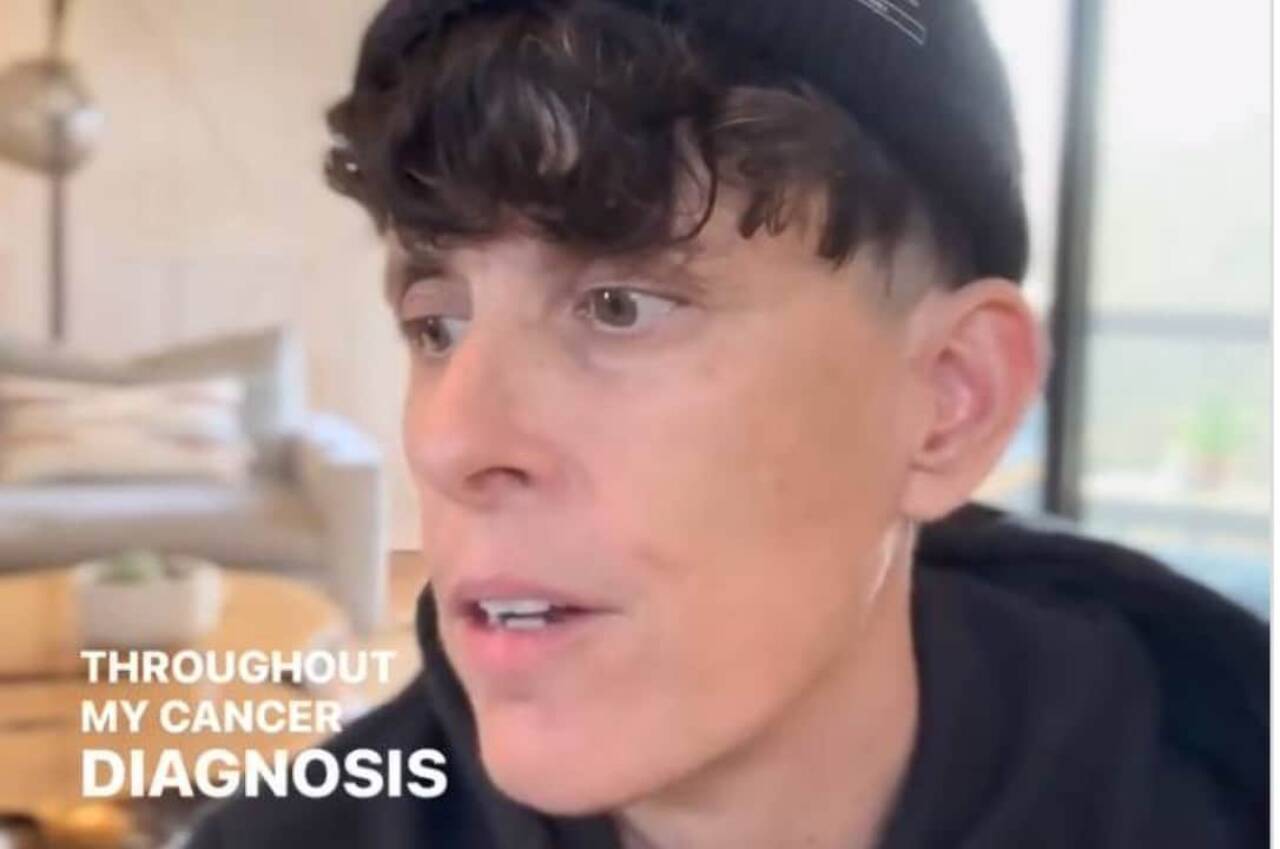
Poet and performer Andrea Gibson, known for their works on gender identity, social justice, and a four-year battle with ovarian cancer, passed away on Monday, July 14, 2025, at their home in Boulder, Colorado, at age 49. The death was announced by their wife, Megan Falley, and friend Stef Willen, who highlighted Gibson’s impact on the literary scene and the LGBTQ+ community. Surrounded by friends, family, and their three dogs, the artist left a lasting legacy, immortalized in the documentary “Come See Me in the Good Light,” which won an award at the 2025 Sundance Film Festival. The film, directed by Ryan White, is set to premiere on Apple TV+ this fall, celebrating their life and struggle. The news sparked tributes from fans, artists, and officials, including Colorado Governor Jared Polis, who mourned the loss of a “unique” figure.
Gibson, who identified as genderqueer and used they/them pronouns, moved to Colorado in the late 1990s and was named the state’s poet laureate for the past two years. Their poetry, marked by themes of love, mortality, and gender issues, captivated a diverse audience with its raw and emotional approach. The award-winning documentary captured moments of their personal and artistic life, highlighting their resilience in the face of illness.
- Key milestones in Gibson’s career:
- Publication of books like “You Better Be Lightning” and “Lord of the Butterflies.”
- Recognition as Colorado’s poet laureate (2023-2025).
- Performances at poetry festivals and events worldwide.
- Impact on the LGBTQ+ community with works on identity and social justice.
Gibson’s death prompted a wave of tributes on social media and at literary events, with notable messages from figures like comedian Tig Notaro and actress Ariana DeBose, who celebrated their influence.
Start of a singular journey
Born on August 13, 1975, in Maine, Andrea Gibson discovered their passion for poetry at a young age, but it was in Colorado that their career gained prominence. After moving to Boulder, they joined the local spoken word scene, participating in slams and literary events. Their ability to blend personal narratives with social issues made them a unique voice, especially for readers and listeners seeking reflections on identity and acceptance.
Gibson rose to prominence in the 2000s with performances that combined vulnerability and social critique. Their works covered personal experiences, such as relationships and health, as well as broader themes like inequality and human rights. This versatility led to the publication of several books, including “Take Me With You,” a collection exploring love and loss with emotional depth.
They also stood out for their international stage presence, where their performances drew crowds. Their spoken word poetry, often accompanied by theatrical gestures and intonations, created an immediate connection with audiences.
Legacy in activism and queer poetry
Andrea Gibson’s work transcended literature, deeply impacting the LGBTQ+ community. As a genderqueer voice, the poet challenged gender norms in their texts, fostering discussions on inclusion and diversity. Their performances, often infused with humor and emotion, addressed issues like acceptance, self-love, and resilience in the face of adversity.
- Gibson’s contributions to activism:
- Poems that deconstruct gender and sexuality stereotypes.
- Participation in charity events for LGBTQ+ causes.
- Use of poetry as a tool for mental health awareness.
- Influence on young queer poets worldwide.
Their battle with ovarian cancer, diagnosed four years ago, became a central theme in their later works. In poems featured in the documentary “Come See Me in the Good Light,” Gibson reflected on mortality with a mix of courage and vulnerability, deeply touching readers and viewers.
Their impact was recognized by public figures and the artistic community. Governor Jared Polis praised Gibson’s ability to connect people from diverse backgrounds through poetry, while fellow poets described them as an inspiration for new generations.
Documentary immortalizes Gibson’s journey
The documentary “Come See Me in the Good Light,” directed by Ryan White, brought Gibson’s journey to the forefront, from their performances to the most intimate moments of their cancer battle. The film, which won the Festival Favorite Award at Sundance 2025, features the poet in conversations with their wife, Megan Falley, and close friends like Tig Notaro, who also served as an executive producer.
Filmed over two years, the documentary captures Gibson’s essence: their ability to turn pain into art and their dedication to community. Scenes show the poet in writing sessions, interacting with fans, and facing the challenges of medical treatment. The premiere is scheduled for fall 2025 on Apple TV+, and it is expected to further amplify Gibson’s legacy.
The production also highlights Gibson’s connection to Boulder, the city they adopted as home. The local community organized events in their honor, including poetry readings and vigils, reinforcing their impact in the region.
Reactions to the loss of a unique voice
Gibson’s death triggered a wave of tributes worldwide. Fans shared excerpts of their poems on social media, while fellow poets organized events to celebrate their life. Comedian Tig Notaro, in an emotional post, described Gibson’s final days as a moment of profound human connection, marked by love and mutual support.
- Notable reactions to Gibson’s death:
- Tribute from Governor Jared Polis, who called them a “Colorado icon.”
- Message from Ariana DeBose, highlighting Gibson’s impact on the arts.
- Poetry readings organized in Boulder and other U.S. cities.
- Fundraising campaigns in Gibson’s name for LGBTQ+ causes.
The literary community also mobilized to preserve Gibson’s legacy. Publishers are planning reissues of their books, while poetry festivals are expected to include sessions dedicated to their work in the coming months.
Lasting influence on contemporary poetry
Andrea Gibson’s poetry continues to inspire readers and artists, particularly for its authentic approach to universal themes. Their books, such as “You Better Be Lightning” and “Lord of the Butterflies,” remain references in the spoken word genre, with editions translated into several languages.
The poet also left a significant impact on education, with their works used in schools and universities to discuss gender and social justice issues. Educators note that Gibson’s accessible and emotional texts help engage young people in debates about diversity and empathy.
Gibson’s influence extends to social media, where their performance videos have garnered millions of views. Clips of their readings, often shared by fans, continue to circulate, keeping their voice alive for new audiences.
Tributes and next steps
Following Gibson’s death, the Boulder community announced plans for a series of events in their honor, including an annual poetry festival named after them. The initiative aims to support emerging poets, particularly those addressing themes of identity and inclusion.
LGBTQ+ organizations also launched fundraising campaigns in Gibson’s memory, directing resources to causes like mental health and support for queer youth. The poet’s family requested that donations be made to institutions they supported, such as community centers in Boulder.
- Initiatives in honor of Gibson:
- Annual poetry festival in Boulder named after Andrea Gibson.
- Fundraising campaigns for mental health and LGBTQ+ rights causes.
- Reissues of their books with forewords by friends and fellow poets.
- Screenings of the documentary at literary events and film festivals.
Andrea Gibson’s death marks the end of a journey, but their impact on poetry and activism endures. Their ability to transform personal experiences into universal messages continues to resonate, while the documentary “Come See Me in the Good Light” ensures their story reaches new generations.