Kate Middleton shares emotional cancer recovery journey at Colchester hospital visit

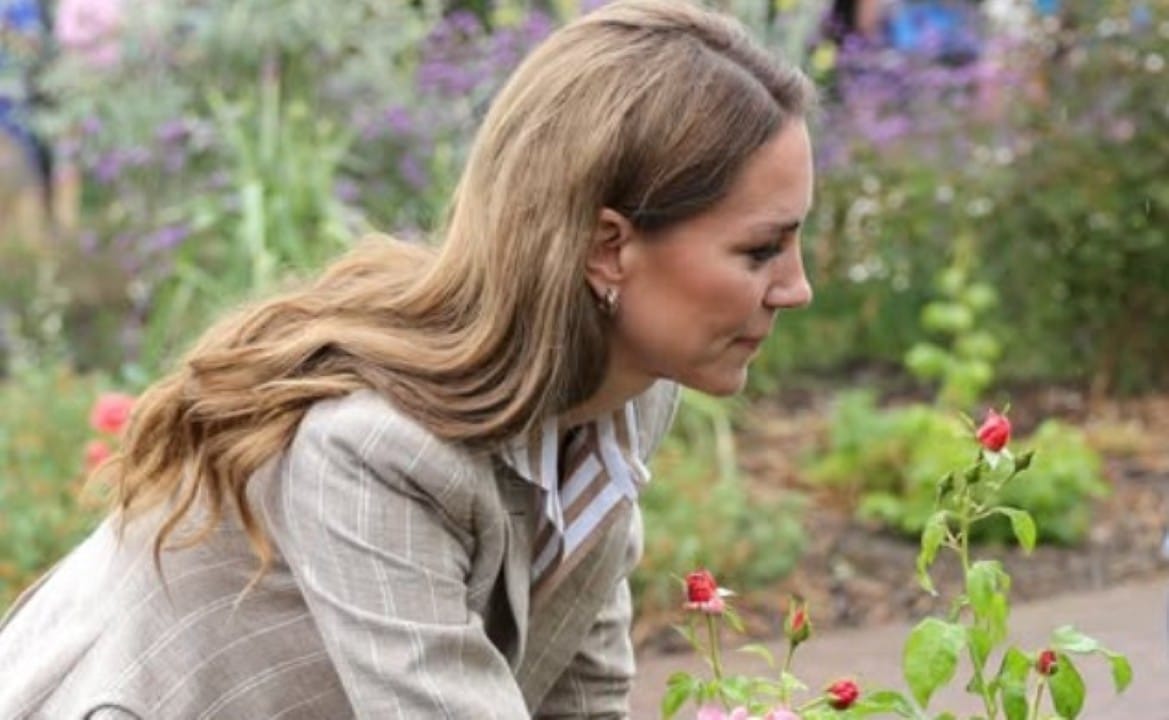
In a poignant moment, Kate Middleton, Princess of Wales, opened up about the challenges of her cancer recovery during a visit to the RHS Wellbeing Garden at Colchester Hospital in Essex, England, on Wednesday, July 2, 2025. The 43-year-old princess spoke with patients and staff, highlighting the difficulties of the post-chemotherapy phase, when medical supervision decreases but returning to normal life remains a hurdle. The event, which celebrated the healing power of nature, marked another step in Kate’s gradual return to public duties after treatment. The visit also included a donation of 50 “Catherine Rose” saplings, a tribute to the princess, with sales supporting the Royal Marsden Cancer Charity.
Kate described the recovery phase as “really tough,” where the expectation of resuming normal life clashes with physical and emotional limitations. “You put on a brave face during treatment, but afterward, it’s like you need to relearn how to live,” she said. Her words resonated with patients, who shared similar experiences. The visit underscored the princess’s commitment to mental health and wellbeing causes, themes she has championed throughout her journey.
- Nature as an ally: Kate emphasized the role of therapeutic gardens in recovery.
- Charity support: The rose donation aims to fund programs for cancer patients.
- Gradual return: The princess is resuming public engagements with a focus on social causes.
Kate’s presence at the event was an emotional milestone, both for her and those present, who saw in the princess a figure of empathy and resilience.
Therapeutic garden: A haven for patients
The RHS Wellbeing Garden at Colchester Hospital is designed to provide a space for tranquility and recovery. During the visit, Kate spoke with patients about how nature can reduce stress and promote mental health. Studies show green spaces lower anxiety by up to 30% in cancer patients, according to the Royal Horticultural Society. The princess, who planted some “Catherine Roses” at the site, stressed the importance of such spaces in hospitals.
The “Catherine Rose,” developed in Kate’s honor, features delicate white blooms symbolizing hope. The donated saplings will be cultivated for sale, with proceeds supporting the Royal Marsden Cancer Charity’s research and patient programs. “It’s an honor to see my name linked to such a meaningful cause,” Kate said during the event.
The hospital, a leader in oncology care in southeast England, uses the garden as part of integrative therapies. Patients reported that nature helps manage chemotherapy side effects like fatigue and nausea.
A journey of resilience
Kate Middleton announced her cancer diagnosis in March 2024, following months of speculation about her health. She underwent chemotherapy and, in September 2024, shared she was “cancer-free” but still focused on recovery. During treatment, she limited public appearances, attending only select events like Trooping the Colour and the Order of the Garter ceremony in London.
Kate’s gradual return to public life reflects her determination to balance health and royal duties. Last week, she and Prince William hosted Melinda French Gates at Windsor Castle to discuss philanthropy, a meeting that marked her return to public engagements. However, Kate canceled her appearance at Royal Ascot, indicating recovery still requires caution.
- 2024 diagnosis: Kate revealed her cancer in March after medical tests.
- Chemotherapy completed: She announced the end of treatment in September.
- Selective engagements: Events like Trooping the Colour marked her return.
- Mental health focus: Kate promotes emotional wellbeing awareness.
The princess also became a joint patron of the Royal Marsden NHS Foundation Trust, a leading UK cancer treatment center, reinforcing her commitment to the cause.
Nature’s healing power
Kate’s connection to nature gained prominence during her cancer battle. In May 2025, during Mental Health Awareness Week, she shared a video calling nature her “sanctuary.” Experts note that outdoor activities like gardening can improve quality of life for cancer patients, reducing depression symptoms by up to 20%, per University of Oxford studies.
At Colchester Hospital, Kate heard from patients who found relief through garden activities. “It’s incredible to see how a green space can transform the experience of those facing heavy treatment,” she said. The hospital’s Cancer Wellbeing Centre offers gardening and meditation workshops, integrating nature into medical care.
The donation of “Catherine Roses” also symbolizes hope for patients. Each rose sold will fund programs helping people live well after cancer, focusing on physical and emotional rehabilitation.
Community engagement
Kate’s visit to Colchester Hospital was not just an act of support but also a chance to hear stories from patients and healthcare workers. She spoke with a young patient, Emily Harris, 29, who shared how the garden helped her cope with chemotherapy. “She was so genuine, asking about my family and how I felt,” Emily said.
The event also highlighted the work of the Royal Horticultural Society, which designs therapeutic gardens in UK hospitals. Since 2018, the RHS has implemented over 50 such projects, benefiting around 10,000 patients annually. Kate, a longtime supporter of the organization, now amplifies its message that nature is a powerful health tool.
- Therapeutic gardens: Over 50 UK hospitals have RHS projects.
- Health impact: Patients report less stress and improved wellbeing.
- Royal involvement: Kate supports causes tied to mental health and cancer.
A symbol of hope
The “Catherine Rose” became a symbol of resilience and solidarity. During the visit, Kate planted saplings alongside patients, a gesture that moved those present. The RHS’s donation of 50 saplings to the hospital reinforces its commitment to charity, while rose sales are expected to raise significant funds for the Royal Marsden Cancer Charity.
Kate’s involvement with the charity goes beyond symbolism. As a patron, she actively participates in campaigns to raise cancer awareness and promote emotional support. In 2024, the Royal Marsden treated over 60,000 patients, and funds from the roses will help expand rehabilitation programs.
The princess also emphasized the value of sharing experiences. “Talking about what we’ve been through helps us connect and find strength,” she said. Her openness about her journey inspired patients and reinforced that recovery is an ongoing process requiring patience and support.
Ongoing commitment to health
The Colchester Hospital visit marked another step in Kate Middleton’s return to public duties, while showcasing her dedication to humanitarian causes. Since her diagnosis, the princess has used her platform to promote cancer and mental health awareness, issues that have gained even greater significance in her life.
The garden event was carefully planned to highlight nature’s positive impact on patient recovery. Choosing Colchester Hospital, known for its integrative approach, reinforced the message that healthcare extends beyond medical treatment. Kate, having faced a challenging year, now stands as a voice of hope for other patients.
The princess plans to continue attending select events, balancing her health and royal duties. Her presence in Colchester, alongside patients and professionals, showed that, even after a tough year, Kate Middleton remains committed to making a difference.