iOS 26 beta 5 brings RCS messaging to Brazil with advanced features Por Jeronimo Santos
7 min de leitura
 |
Apple released the fifth beta version of iOS 26 for developers on August 5, 2025, bringing a long-awaited feature to Brazil: the activation of the RCS (Rich Communication Services) protocol for local carriers. The functionality, which modernizes messaging with features like sending photos, videos, and group chats, was already available in iOS 18 in other countries but has now been enabled for the Brazilian market, starting with the Vivo carrier. The update, first identified by the iHelpBR website, marks a step forward in iPhone communication, bringing it closer to apps like WhatsApp. The final version of iOS 26 is expected in September 2025, promising to expand the feature to more carriers, such as Claro and TIM, which do not yet support it. RCS serves as a direct replacement for SMS, using carriers’ infrastructure to offer a richer, more dynamic experience. The update strengthens integration between iOS and Android devices, reducing communication barriers across platforms.
The implementation of RCS in Brazil comes at a time of high connectivity, with millions of iPhone users in the country. The feature is set to enhance the messaging experience, particularly in regions where third-party apps like WhatsApp dominate. The initial activation on Vivo suggests a gradual rollout, with ongoing tests to ensure stability.
- Key RCS features: High-resolution photos and videos, read receipts, typing indicators, group chats, and device synchronization.
- Initial availability: Limited to Vivo, with Claro and TIM in testing phases.
- Expected impact: Greater integration between iOS and Android in Brazil.
The RCS protocol is already widely used in markets like the United States, where native messaging is more common. In Brazil, RCS adoption could complement the use of popular apps, offering a robust alternative for direct communication via carriers.
How RCS transforms iPhone communication
The RCS protocol, or Rich Communication Services, is a direct evolution of SMS, leveraging carriers’ infrastructure to provide advanced features. Unlike SMS, which is limited to short texts, RCS enables sending high-resolution multimedia files, such as photos and videos, along with features like read receipts and typing indicators. These characteristics bring the RCS experience closer to that of instant messaging apps like WhatsApp and Telegram.
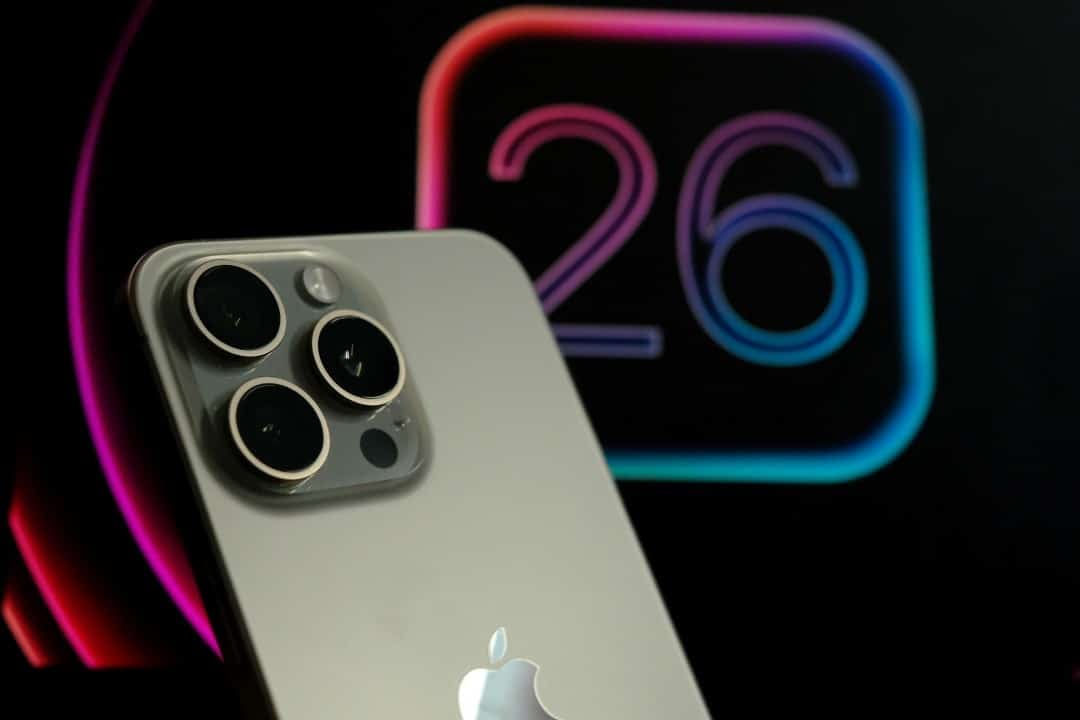
In Brazil, the arrival of RCS on the iPhone is a milestone, especially for users who prefer the native messaging app. The feature allows for group chats, which SMS does not support, and synchronizes messages across devices, ensuring continuity on iPads and Macs. The initial activation on Vivo indicates that Apple is working with carriers to expand support, with Claro and TIM in testing phases, according to iHelpBR.
- Photos and videos: Sending high-quality files without significant compression.
- Group chats: Support for conversations with multiple participants.
- Synchronization: Messages accessible on other Apple devices.
- Read receipts: Notification when a message is viewed.
The shift to RCS reflects a global change in mobile communication, with carriers and manufacturers aiming to unify standards to improve user experience.
Integration between iOS and Android strengthens
The implementation of RCS in iOS 26 beta 5 enhances interoperability between iPhones and Android devices, which have supported the protocol since 2019. In the United States, where Apple’s iMessage is widely used, the absence of RCS created a fragmented experience for Android users, who relied on SMS to communicate with iPhones. The arrival of RCS in Brazil bridges this gap, enabling richer and more functional cross-platform messaging.
While iMessage remains the primary messaging tool for iPhone-to-iPhone communication, with its signature blue background, RCS appears with a green background, maintaining a visual distinction. This choice by Apple has sparked debates in the U.S., where the green background is sometimes associated with an “inferior” experience, a phenomenon less relevant in Brazil, where apps like WhatsApp dominate.
Google’s pressure on Apple to adopt RCS was intense, including public campaigns and even cultural references, such as citing a Drake song. Apple’s initial resistance was due to the strength of iMessage, but the adoption of RCS signals an openness to universal standards, benefiting users of both ecosystems.
Why RCS took time to reach Brazil
The activation of RCS in Brazil required coordination between Apple and local carriers, a process delayed by technical and regulatory challenges. Although the protocol was available in iOS 18 in markets like the United States and Europe, its implementation in Brazil depended on adjustments to carriers’ infrastructure. Vivo, the first to offer support, conducted extensive testing to ensure compatibility with iOS 26 beta 5, while Claro and TIM are still adapting.
Brazil has a unique messaging dynamic, with over 90% of mobile communications relying on apps like WhatsApp. This may have reduced the urgency for RCS adoption, but the feature is seen as an opportunity to diversify communication options.
- Initial testing: Vivo completed integration with iOS 26 beta 5.
- Claro and TIM: In testing phases, with support expected in the final version.
- Global adoption: Markets like the U.S. and Europe already widely use RCS.
- Local challenges: Adjustments to Brazilian carriers’ infrastructure.
The arrival of RCS in Brazil reinforces the trend of modernizing mobile communications, with potential to attract users seeking integrated alternatives to third-party apps.
Practical benefits for Brazilian users
The activation of RCS in iOS 26 beta 5 brings direct benefits to iPhone users in Brazil. Beyond improving message quality, the protocol eliminates SMS limitations, such as short text lengths and lack of multimedia features. The ability to send high-resolution photos and videos is particularly appealing for users who frequently share visual content.
Another advantage is device synchronization, allowing seamless access to conversations on other Apple devices, like iPads and Macs. Group chat functionality is also a significant upgrade, enabling dynamic interactions without relying on third-party apps.
RCS is especially useful in situations with limited internet connectivity, as it uses carriers’ networks, unlike apps like WhatsApp, which depend on Wi-Fi or mobile data. This feature can be valuable in rural areas or during network outages.
Next steps for RCS in Brazil
With the final version of iOS 26 expected in September 2025, RCS support is likely to expand to other carriers, such as Claro and TIM. Apple is collaborating with these companies to ensure a stable implementation, with ongoing tests to avoid compatibility issues. The expansion of RCS in Brazil could also encourage developers to create new features, such as interactive buttons for appointments and payments, already available in other markets.
The adoption of RCS in Brazil reflects a global trend toward unified communication standards, with potential to transform how users interact via native messaging apps. While WhatsApp remains dominant, RCS offers a robust alternative, especially for those who prefer the simplicity of the iPhone’s default messaging app.
- Expansion forecast: Claro and TIM expected to support RCS by September 2025.
- New features: Interactive buttons may be implemented in the future.
- Market impact: Increased competition with messaging apps.
- User adoption: Will depend on integration with carriers and Android devices.
The arrival of RCS in Brazil is a significant step toward modernizing mobile communication, offering a richer and more integrated experience for iPhone users.