Japanese boxer dies after brain injury in championship fight in Tokyo Por Luís Henrique Costa
6 min de leitura
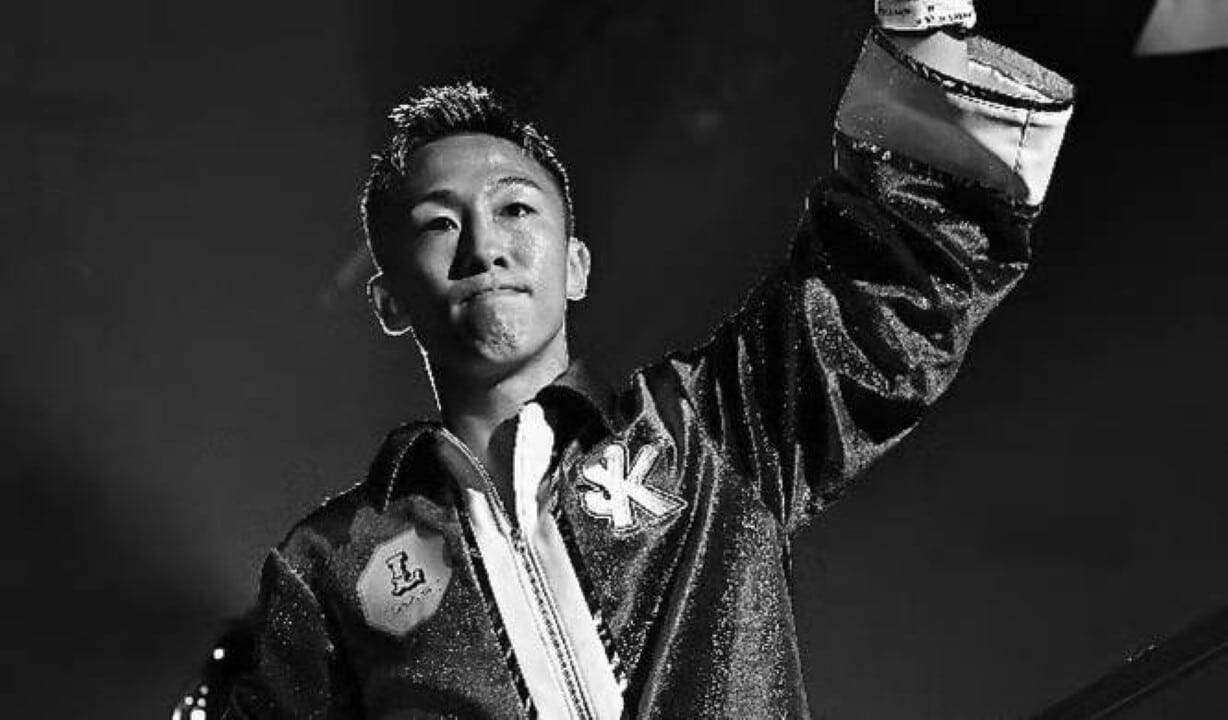 |
Japanese boxer Shigetoshi Kotari, aged 28, passed away on the night of August 8, 2025, in Tokyo, Japan, one week after sustaining a subdural hematoma during a fight for the Oriental and Pacific Boxing Federation (OPBF) super-featherweight title against Yamato Hata. The bout, held on August 2 at Korakuen Hall, ended in a split-decision draw, but Kotari collapsed shortly after leaving the ring and was rushed to a hospital. Diagnosed with a severe brain injury, he underwent an emergency craniotomy but did not survive. The tragedy shook the boxing community, reigniting debates about safety in the sport. The Japan Boxing Commission announced immediate changes, reducing title fights from 12 to 10 rounds.
Kotari’s death stunned fans and athletes, who paid tributes on social media. The World Boxing Organization (WBO) and World Boxing Council (WBC) issued statements of condolence, highlighting the fighter’s warrior spirit. The incident also brought attention to the severity of brain injuries in boxing, with another fighter, Hiromasa Urakawa, suffering a similar injury at the same event.
- Fight details: Kotari’s bout against Hata was intense, lasting 12 three-minute rounds.
- Diagnosed injury: Subdural hematoma, caused by blood accumulation in the brain.
- Emergency surgery: Craniotomy to relieve brain pressure, ultimately unsuccessful.
- Immediate reaction: Japan Boxing Commission altered rules for title fights.
Journey of a ring warrior
Shigetoshi Kotari, from Nagoya, Japan, had a promising professional boxing career, with a record of eight wins, two losses, and two draws, according to BoxRec. Debuting in 2019, he fought exclusively at Korakuen Hall, one of Japan’s most iconic boxing venues. His last victory, in May 2025, was a unanimous decision against Jonniel Laurente, solidifying his status as a rising super-featherweight contender.
The fight against Yamato Hata was his first shot at the OPBF title, a significant milestone. Kotari prepared intensely, as shared on his social media, where he expressed confidence: “I’ll give everything and win. I’ll be the champion.” The bout, however, turned tragic, with the fighter leaving the ring applauded, showing no visible signs of distress, before collapsing minutes later.
- Professional record: 8 wins, 2 losses, 2 draws, with 5 knockouts.
- Notable debut: Kotari began his career in 2019 at Korakuen Hall.
- Recent win: Unanimous decision against Jonniel Laurente in May 2025.
- Dream cut short: The OPBF title fight was his biggest challenge.
Subdural hematoma: a silent risk in boxing
The subdural hematoma that killed Kotari occurs when veins between the brain and skull rupture, often due to repetitive head trauma, causing blood to pool and compress the brain. In boxing, repeated blows to the head can trigger this condition, often without immediate symptoms, making it particularly dangerous. In Kotari’s case, the lack of clear signs during the fight delayed early intervention, a recurring issue in the sport.
Medical experts explain that subdural hematomas can lead to severe complications, such as brain swelling or disrupted oxygen flow, resulting in permanent damage or death. The craniotomy performed on Kotari removes part of the skull to relieve pressure, but success depends on the speed of treatment and the extent of the injury.
- Main cause: Repetitive head trauma during fights.
- Delayed symptoms: Headaches, dizziness, or collapse may appear hours later.
- Medical procedure: Craniotomy used to relieve brain pressure.
- High risk: Adrenaline can mask symptoms during a fight.
Changes in Japanese boxing after the tragedy
The Japan Boxing Commission acted swiftly after the incident, announcing that all OPBF title fights will now last 10 rounds instead of 12 to reduce the risk of severe injuries. The measure, while well-intentioned, has sparked debate, as shorter fights do not eliminate the sport’s inherent risks. Experts suggest that stricter medical exams, such as MRIs before and after fights, could enhance safety.
At the same August 2 event, another boxer, Hiromasa Urakawa, suffered a subdural hematoma after being knocked out by Yoji Saito in the eighth round. Urakawa also underwent a craniotomy and remains under observation, with no recent updates on his condition. The occurrence of two severe cases in one night intensified criticism of safety protocols in Japanese boxing.
- New rule: OPBF title fights reduced to 10 rounds.
- Another severe case: Hiromasa Urakawa injured at the same event.
- Safety criticism: Experts call for more preventive medical exams.
- Immediate impact: JBC imposed mandatory retirement for craniotomy cases.
Tributes and mourning in the boxing community
Kotari’s death prompted an outpouring of tributes from fans, fighters, and organizations. The WBO issued an emotional statement, describing him as “a warrior in the ring and a fighter in spirit.” Former world champion Daniel Roman, a friend of Kotari, shared a heartfelt message: “I hope you’re at peace, brother. My condolences to your family.” Super-flyweight champion Anthony Olascuaga also paid tribute, highlighting their friendship and memories.
Fans flooded social media with messages of grief, many praising Kotari’s determination and technical-aggressive style. One supporter wrote: “He fought to the end, a true modern gladiator.” The tragedy also reignited discussions about boxing’s risks, with calls for broader reforms to protect athletes.
History of tragedies in boxing
Kotari’s passing is not an isolated case. In 2025, Irish boxer John Coney also died after a fight due to a brain injury. The previous year, incidents involving Filipino Kenneth Egano and Japanese Kazuki Anaguchi shocked the sport. These cases underscore the need for preventive measures, such as enhanced medical monitoring and mandatory rest periods between fights.
The Asian boxing community, in particular, faces scrutiny over the frequency of severe injuries. A fan noted on social media: “It’s alarming how many boxers are dying in Asia after fights.” The pressure for structural changes is growing, with experts suggesting advanced protective gear and stricter medical protocols.
- Recent cases: John Coney (Ireland) died in 2025 from a brain injury.
- Asian incidents: Kenneth Egano and Kazuki Anaguchi died in 2024.
- Safety proposals: Imaging exams and mandatory rest periods between fights.
- Equipment: More advanced helmets are under discussion in the sport.
Future of safety in boxing
Kotari’s tragedy reignites the debate on balancing boxing’s competitive nature with athlete safety. While reducing rounds is a step, experts advocate for a combination of measures, including greater investment in medical technology and training for ringside teams to detect early signs of injuries. Mandatory MRIs before and after fights are a recurring suggestion, though high costs pose challenges.
Organizations like the WBO and WBC expressed commitment to reviewing safety protocols. WBC president Mauricio Sulaiman stated: “This loss compels us to keep researching ways to make boxing safer.” The community hopes Kotari’s death will drive meaningful changes to prevent further loss of talent.