Trump escalates measures against homelessness and crime in Washington with executive order Por Jeronimo Santos
6 min de leitura
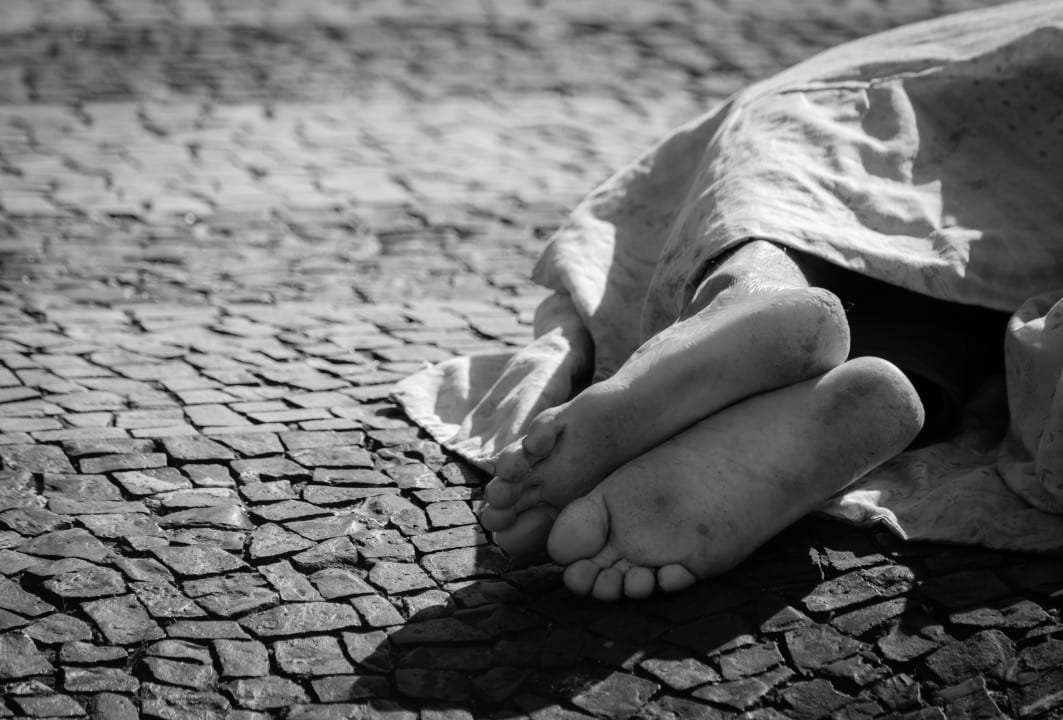 |
On August 11, 2025, U.S. President Donald Trump announced an executive order mobilizing the National Guard and increasing FBI patrols in Washington DC to remove homeless individuals and combat crime in the capital. Titled “Ending Crime and Disorder on America’s Streets,” signed on July 24, the order facilitates the arrest of homeless people and prioritizes federal funding for cities that ban urban encampments, open drug use, and illegal occupations. Trump claims the initiative will make the capital “more beautiful and safe,” but it faces criticism from local authorities and civil rights organizations, who call it simplistic and potentially discriminatory. The action comes amid a record 771,480 homeless individuals in the U.S. in 2024, according to the Department of Housing and Urban Development (HUD).
Trump’s decision was posted on TruthSocial, where he stated that the homeless “need to leave immediately” from Washington, offering them shelter outside the capital, while “criminals” would be jailed. Washington’s mayor, Muriel Bowser, called the measure “disconcerting,” noting that violent crime rates in the city dropped in 2024, per Metropolitan Police data. The order aligns with Trump’s 2023 campaign promises to use “all tools” to remove the homeless from U.S. streets.
- Key points of the executive order:
- Deployment of the National Guard for patrolling in Washington DC.
- Increased FBI agents in nighttime operations in the capital.
- Redirecting federal funds to cities banning encampments and drug use.
- Instructions to review judicial precedents limiting civil commitment of the homeless.
Trump’s actions and the housing crisis
The July 24 executive order directs Attorney General Pam Bondi and Health and Human Services Secretary Robert F. Kennedy Jr. to review court rulings restricting states and municipalities from committing homeless individuals with mental health issues or substance abuse to treatment facilities. The measure proposes transferring these individuals to long-term care centers. Additionally, the Departments of Justice, Housing, Health, and Transportation must prioritize funding for cities enforcing strict bans on urban encampments and drug use.

The order comes at a critical time. In 2024, HUD reported an 18% increase in homelessness, totaling 771,480 individuals, the highest since records began in 2007. Causes include the affordable housing crisis, the end of pandemic-era aid, and migratory pressures in some communities. The report noted a 40% rise in homeless families with children, with about 150,000 minors in this situation.
Organizations like the National Alliance to End Homelessness criticize Trump’s approach, arguing it overlooks structural issues like the shortage of affordable housing and the gap between wages and rents. According to the National Low Income Housing Coalition, minimum-wage workers need to work 104 hours weekly to afford a one-bedroom apartment at market rates.
Reactions and criticism of the policy
The executive order sparked strong reactions. The American Civil Liberties Union (ACLU) warned that it could violate civil rights, promoting the criminalization of the homeless and increasing surveillance over them. The organization raised concerns about privacy, particularly with the proposed data collection on individuals with mental health issues.
Mayor Muriel Bowser, in a statement, emphasized that crime rates in Washington are declining, with violent crimes at their lowest in 2024. She questioned the need for such drastic measures, suggesting they may be more politically motivated than data-driven. Experts like Margot Kushel from the University of California criticized the approach as “simplistic,” noting that criminalizing homelessness does not address its structural causes, such as lack of access to healthcare and affordable housing.
- Main criticisms of Trump’s order:
- Risk of criminalizing vulnerable populations.
- Lack of focus on structural solutions like affordable housing.
- Potential violation of civil rights and privacy.
- Disregard for data showing reduced crime in Washington.
Factors behind the rise in homelessness
The homelessness crisis in the U.S. is driven by complex factors. The shortage of affordable housing is a primary issue, with a deficit of 7.1 million units for low-income families, per the National Low Income Housing Coalition. Over the past decade, the percentage of families spending over 50% of their income on rent rose by 12.5%, making housing unaffordable for many.
Access to healthcare is another factor. A 2024 KFF survey revealed that 74% of Americans fear being unable to afford unexpected medical expenses, and 61% of uninsured homeless individuals delay treatment due to costs. The lack of a universal public healthcare system exacerbates the issue, particularly for seniors, who account for nearly half of new homeless individuals after age 50, according to a University of California study.
Migratory pressures also contributed. In 2024, communities receiving large numbers of immigrants saw over a 100% increase in homeless families. While Trump’s policies have reduced migration flows, the situation on the streets remains critical, with many families still lacking access to shelters or stable housing.
Previous measures and historical context
Trump has previously addressed homelessness. In March 2025, an executive order mandated the cleanup of encampments and graffiti on federal lands in Washington DC to “beautify” the capital. In May, the National Center for Veterans Independence was created to support homeless veterans, who saw an 8% reduction in 2024.
The current executive order intensifies these efforts but diverges from earlier approaches focused on social assistance. During the pandemic, programs like rent moratoriums and emergency aid helped curb homelessness growth. Their end, coupled with economic challenges, contributed to the 2024 record.
- Milestones in Trump’s homelessness policies:
- March 2025: Order to clear encampments on federal lands.
- May 2025: Creation of the National Center for Veterans.
- July 2025: Order to facilitate arrests and commitments of the homeless.
Debate on solutions and perspectives
Organizations like the National Alliance to End Homelessness argue that solutions require investments in affordable housing and social services, not punitive measures. The group highlights that discriminatory policies, such as systemic racism, worsen the crisis by limiting minority access to housing resources.
Supporters of Trump’s order, like Stephen Eide from the Manhattan Institute, argue that the scale of the problem justifies a shift in approach. They see civil commitment as a way to provide treatment for those with severe mental health or substance abuse issues, though critics warn that vague definitions of “mental illness” could lead to abuses.
The tension between public safety and civil rights is central to the debate. While Trump emphasizes public order, experts warn that criminalization may deepen the vulnerability of the homeless without addressing root causes. The order’s implementation, which relies on local support, faces resistance in cities like Washington, where authorities prioritize assistance-based policies.