Beef prices in the United States have skyrocketed to record levels following President Donald Trump’s imposition of 50% tariffs on Brazilian products, effective August 1, 2025. Brazilian residents in the US report struggles to afford beef, with trays reaching up to $69 in supermarkets. The measure, aimed at protecting the American economy, directly impacts Brazil’s beef exports, the primary source for the US market, driving up consumer costs. Brazil, the largest beef exporter to the US, faces estimated losses of $1 billion, while domestic prices in Brazil may drop due to increased supply. The price surge reflects a shrinking US cattle herd and reliance on imports, worsened by the new tariffs. This has sparked widespread frustration, particularly among Brazilian immigrants, who shared their shock on social media. A tray of bone-in chicken costs $12.28, while beef for steaks exceeds $50, fueling debates over Trump’s protectionist policies.
The crisis has intensified scrutiny of global trade dynamics, with Brazilian exporters seeking new markets to offset losses. In the US, the tariffs exacerbate food inflation, making beef a luxury for many.
- Record prices: Beef trays hit $69 in some US markets.
- Brazil’s losses: Exports face a potential $1 billion shortfall.
- Consumer reaction: Brazilians in the US struggle with rising costs.
Rising beef prices in US supermarkets
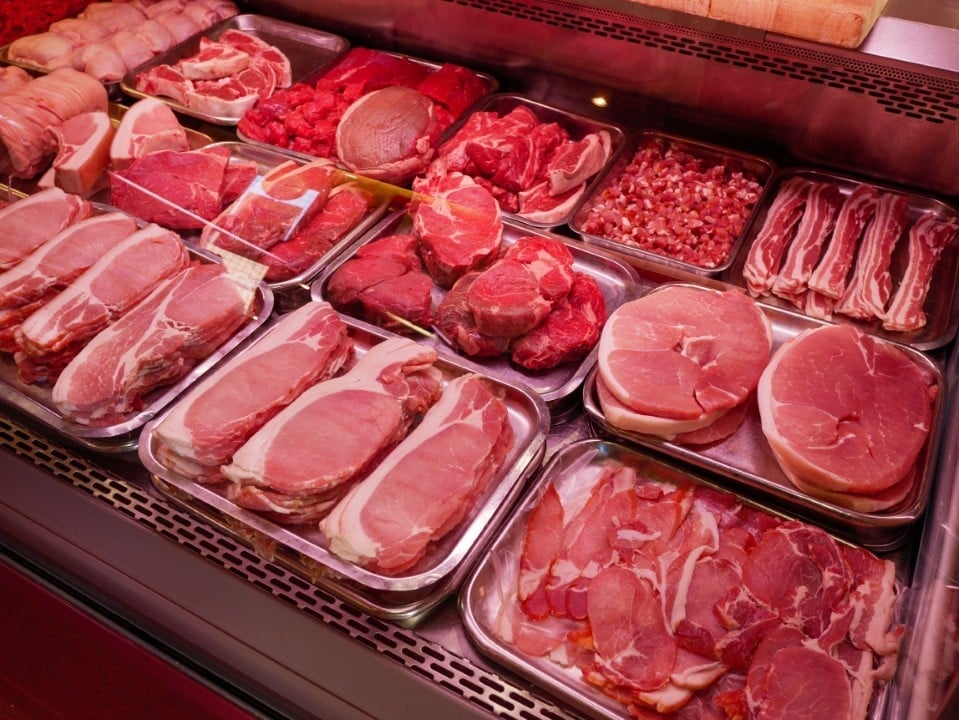
The surge in beef prices has stunned US consumers, particularly Brazilian immigrants. Social media videos show trays of beef costing up to $69, a sharp increase from the $16-$17 range before the tariffs. Ground beef, a staple for hamburgers, rose 10% in the first half of 2025, reaching $6.12 per pound (about 450 grams), according to the Bureau of Labor Statistics. Even simpler cuts, like boneless chicken, now cost $20 per tray.
The price hike stems from multiple factors. The US cattle herd, at 86.7 million head, is the smallest since 1951, driving up costs before the tariffs. Brazil’s beef, which accounted for 22% of US imports in 2024, faces a 76.4% total tariff (combining the new 50% with the existing 26.4%), making it nearly unaffordable. This has left supermarkets struggling to maintain affordable stock, pushing consumers toward smaller purchases or alternative proteins.
- Ground beef: Up 10%, now $6.12 per pound as of June 2025.
- Chicken: Bone-in trays at $12.28; boneless at $20.
- Steak cuts: Prices exceed $50 per tray in some stores.
- US herd: Lowest in 70 years at 86.7 million head.
Impact on Brazilian beef exports
Brazil, the top beef exporter to the US, shipped 229,000 tons in 2024, with 60% used for hamburgers. The 2025 target was 400,000 tons, but Trump’s tariffs have made exports nearly unviable, with a total tax rate of 76.4%. The Brazilian Association of Meat Exporting Industries (ABIEC) estimates losses of up to $1 billion. Frigorificos in Mato Grosso do Sul, which exported $215 million to the US in 2024, have halted production for the American market. About 30,000 tons of beef, valued at $160 million, remain in ports or en route, facing uncertainty.
Despite a reported 498% surge in Brazilian beef exports to the US in April 2025, reaching 48,000 tons, the rapid filling of the 65,000-ton tariff-free quota in just 17 days highlights the challenges ahead. Exports beyond this quota face steep tariffs, reducing Brazil’s competitiveness against suppliers like Australia.
Brazilian community’s frustration in the US
Brazilians in the US have voiced outrage over the price hikes. Social media videos describe beef as a “luxury item,” with one resident comparing the situation to Brazil’s high costs. Many avoid larger trays, opting for smaller portions for single meals. “I couldn’t bring myself to pay $45 for a tray,” one Brazilian said. The price surge has created a sense of crisis among immigrants, who feel squeezed by inflation and limited options.
- Social media outcry: Videos of high prices go viral among Brazilians.
- Cost comparisons: Residents liken US beef prices to Brazil’s.
- Buying habits: Smaller purchases become the norm to cut costs.
- Emotional toll: Rising prices fuel feelings of economic strain.
The frustration extends to criticism of Trump’s policies, seen as harming both Brazilian exporters and US consumers. With food inflation at 9% in 2025, beef’s role as a dietary staple, especially in hamburgers, makes the price surge a focal point of discontent.
Effects on Brazil’s domestic market
The drop in US exports is redirecting Brazilian beef to the domestic market and other countries like China and Chile. The Cepea reports a 7.8% drop in the price of live cattle, reaching R$299.70 per arroba between June and July 2025, potentially lowering consumer prices short-term. However, retail prices may remain stable due to seasonal low demand in winter. “Prices should stabilize by September or October,” said Lygia Pimentel of AgriFatto.
China, absorbing 44% of Brazil’s beef exports, may offset some losses, but its capacity is limited. New markets like Japan and South Korea require complex negotiations, delaying relief for Brazilian producers. The shift could benefit Brazilian consumers with cheaper beef, but only if retailers pass on the savings.
US cattle industry challenges
The US cattle shortage, worsened by prolonged droughts and high feed costs, has left the industry unable to meet domestic demand. The herd, at 86.7 million head, is the smallest since 1951. Mexico, supplying 4% of US slaughter cattle, halted exports due to screwworm infestations, further tightening supply. Brazilian beef, particularly lean trimmings for hamburgers, was critical to filling this gap.
With tariffs pricing Brazilian beef out of the market, Australia and Argentina may gain share, though their beef costs more—$7,169 and $6,733 per ton, respectively, compared to Brazil’s $6,143 before tariffs. With the 50% tariff, Brazilian beef could hit $8,415 per ton, losing its edge.
- US herd: 86.7 million head, lowest since 1951.
- Mexican imports: Halted due to screwworm outbreak.
- Competitors: Australia and Argentina charge higher prices.
- Food inflation: Beef prices up 9% in 2025.
Brazil’s response strategies
Brazil’s government is exploring countermeasures, including the Economic Reciprocity Law to impose equivalent tariffs. The Agriculture Minister, Carlos Fávaro, is pushing for new markets like Vietnam, which resumed imports in 2025. Frigorificos like JBS and Minerva are redirecting exports through units in Australia and Uruguay to bypass tariffs, though logistics and costs pose challenges.
Roberto Perosa of ABIEC emphasizes diplomacy to reverse tariffs, highlighting Brazil’s role in US food security. Negotiations to increase the tariff-free quota to 150,000 tons are ongoing, but Trump’s policies add uncertainty.
Impact on American consumers
Beef, used in 80% of US hamburgers, is central to American diets. The tariff-driven price hikes are expected to raise fast-food costs, with analysts predicting a pricier Big Mac. Food inflation, up 9% in 2025, compounds the issue, making beef a luxury for many, especially immigrant communities like Brazilians. The reliance on imports and a shrinking herd suggests no quick fix.
- Hamburgers: 80% of US beef goes to their production.
- Big Mac: Price increases loom due to import reliance.
- Inflation: Food prices up 9% in 2025.
- Consumer behavior: Demand persists despite high costs.
Pursuit of new export markets
Brazil is diversifying export destinations to mitigate losses. China, the top buyer, imported 641,100 tons in 2025, but its capacity is nearly maxed out. Chile (58,900 tons) and Mexico (52,000 tons) show promise, while Vietnam’s resumed imports offer potential. Opening markets like Japan and South Korea remains a priority, though sanitary and logistical hurdles persist. Brazil’s competitive pricing and quality bolster its global position.