Quarter crescent on September 29, 2025, illuminates 42% of the Moon and attracts observers


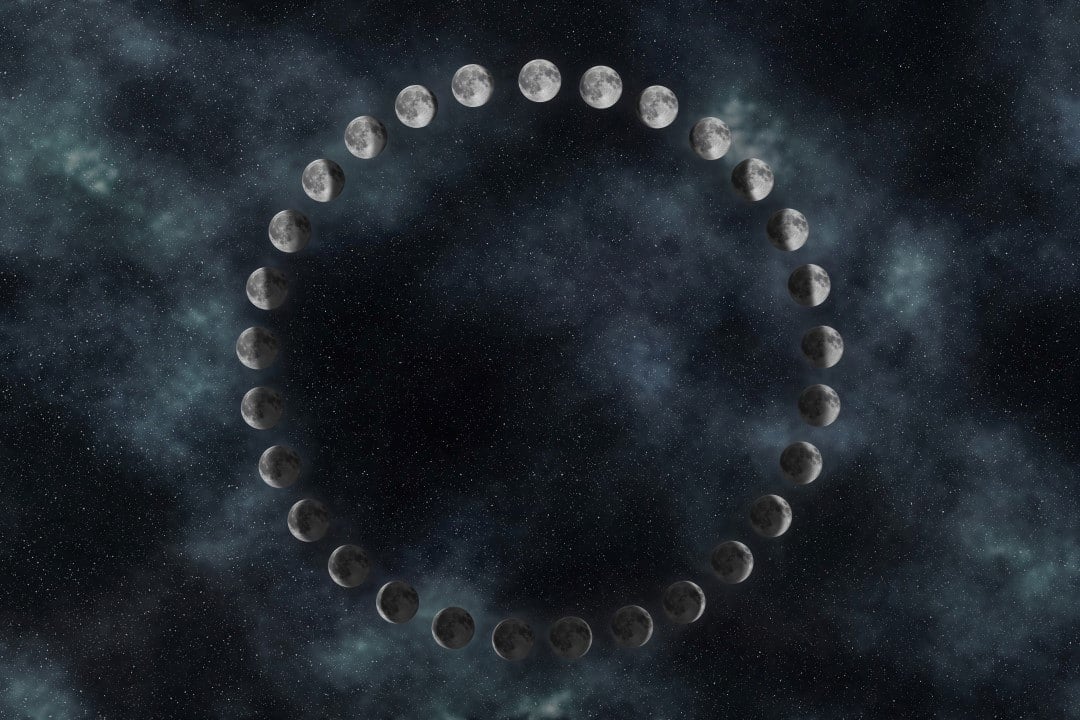
The Moon will reach the quarter crescent phase on September 29, 2025, at 8:53 PM Brasília time, with 42% of its surface illuminated, visible across Brazil. The phenomenon, occurring when the Moon forms a 90-degree angle with the Sun relative to Earth, follows the new Moon on September 21 and precedes the full Moon on October 7. Rural areas with low light pollution offer the best conditions for observation. Astronomers and amateur photographers highlight the event as ideal for visual records and lunar cycle studies.
- 7×50 binoculars reveal details like the Mare Imbrium and lunar craters.
- Apps like Stellarium assist in precisely locating the Moon in the sky.
- The event is accessible for observation after sunset, around 6 PM in São Paulo.

2025 Lunar Cycle
The 2025 lunar calendar records 12 complete cycles, with the quarter crescent on September 29 part of the 29.5-day synodic month. Each lunar phase, including new Moon, quarter crescent, full Moon, and quarter waning, lasts about 7.4 days.
The Moon’s elliptical orbit is monitored by astronomical institutes, ensuring accurate predictions for events like eclipses and supermoons. In 2025, the lunar cycle maintains regularity with minimal variations.
Tidal Effects
The quarter crescent phase generates quadrature tides, with smaller amplitudes than syzygy tides, typical of the full Moon. Brazilian Navy data indicate variations of up to 1 meter in coastal areas, especially in the Northeast.
Lunar gravity, the main driver of tidal fluctuations, influences estuary currents. Coastal communities and navigators adjust activities based on updated tidal charts.
Real-time monitoring by oceanographic services ensures safety in ports and channels. Extra caution is needed in areas with strong currents.
Observation and Photography
The 42% illumination in the quarter crescent creates sharp contrasts, ideal for photographic records with cameras or smartphones. Entry-level telescopes and binoculars highlight features like craters and basaltic plains.
In urban areas, light pollution may hinder visibility, but the Moon’s brightness allows observations even in large cities. In rural areas, clear skies favor extended records.
Astronomy apps provide precise coordinates, facilitating satellite location. Longer September nights in the southern hemisphere extend observation time.
Amateur photographers use simple equipment to capture lunar relief details, such as the Mare Imbrium, visible with 7×50 binoculars.
Notable Astronomical Events
The year 2025 features striking phenomena, like the September 7 lunar eclipse, which displayed reddish hues. Supermoons in November and December, with the Moon at 356,000 kilometers from Earth, increase brightness and apparent size.
Maritime Navigation Impact
Quadrature tides affect activities like fishing and maritime transport. Captains consult tidal charts to avoid strong currents, especially in estuaries.