October 2025 lunar calendar starts with full moon at 00:47 and includes planetary conjunction

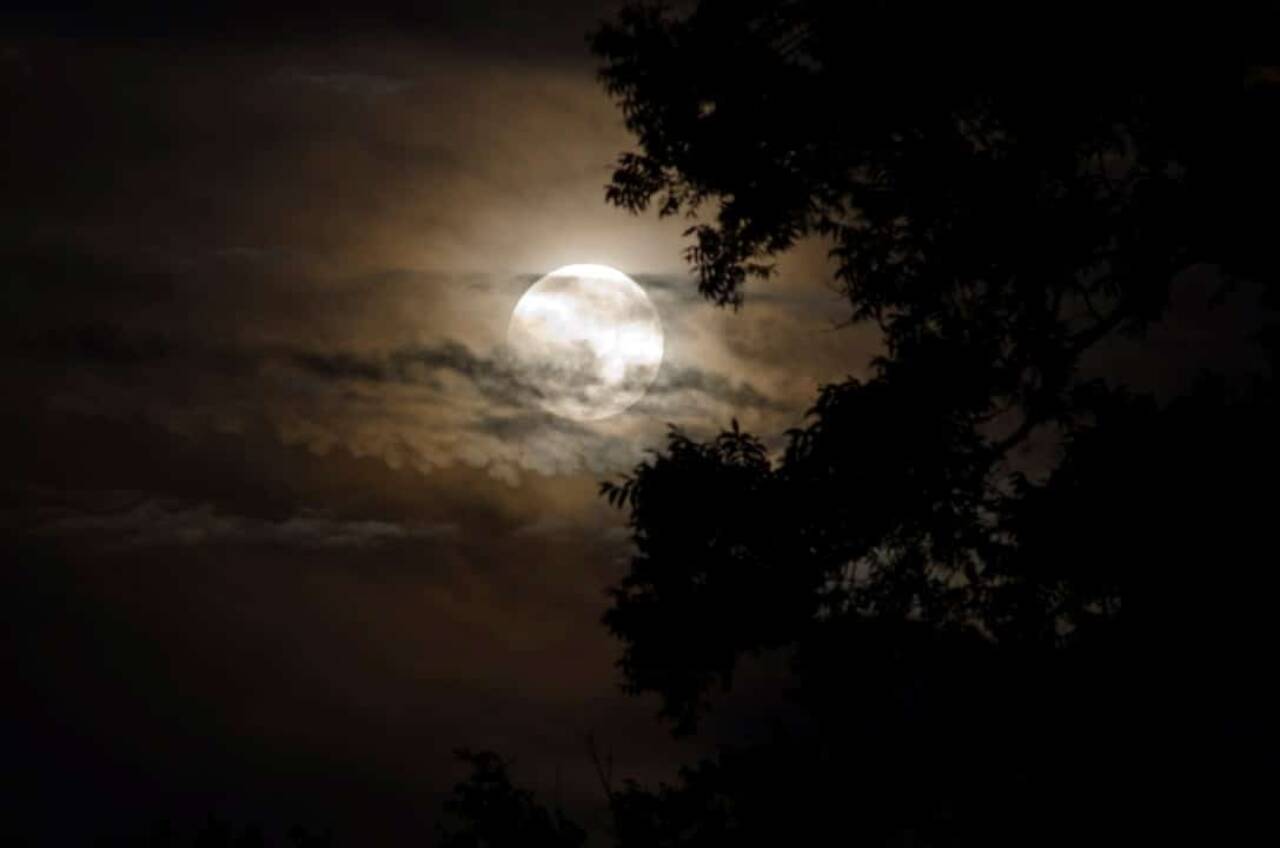
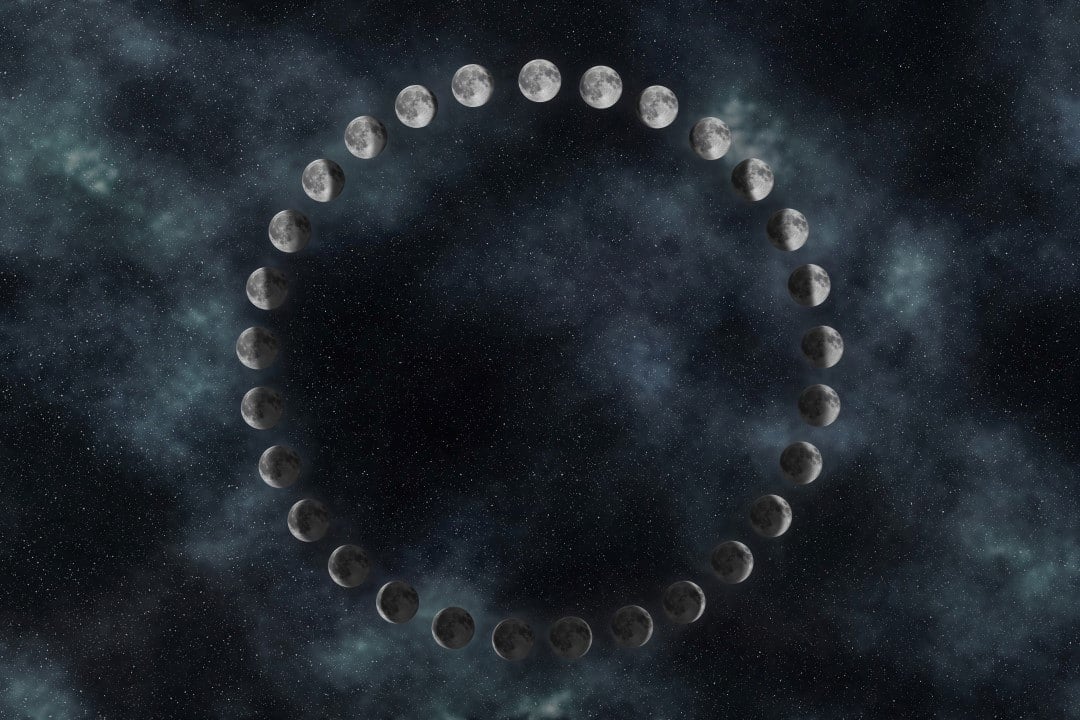
The lunar cycle of October 2025 begins with a full moon on the 7th at 00:47. This phase occurs when the moon positions itself opposite the Sun relative to Earth. The phenomenon results from the moon’s orbit around Earth, taking approximately 29.5 days to complete a full cycle.
The full moon fully illuminates the night sky on this date. Astronomers note that visibility depends on clear weather conditions. The event marks the month’s brightest point.
- Full moon: October 7, 00:47.
- Waning gibbous: October 13, 15:14.
- New moon: October 21, 09:25.
- Waxing crescent: October 29, 13:22.
Full moon characteristics
The full moon appears when the entire visible face reflects sunlight. This position creates syzygy tides, with greater amplitude in oceans due to aligned gravitational pull.
The intense brightness aids basic astronomical observations without equipment. In October, the full moon aligns with autumn in the Northern Hemisphere, influencing historical agricultural traditions.
Main phase definitions
The new moon occurs with the alignment of Earth, moon, and Sun, making the satellite invisible. This stage starts a new lunar cycle, lasting about 29.5 days.
The waning gibbous shows half the moon illuminated, gradually decreasing. Observers note a D or C shape in the Southern Hemisphere during this transition.
The waxing crescent begins increasing illumination after the new moon. The visible portion grows gradually until the next full moon.
Observed gravitational influences
The moon’s pull affects oceans, causing spring tides during new and full phases. These peaks result from combined forces with the Sun, raising water levels by up to two meters in some coastal areas.
Studies show responses in marine organisms, like coral reproduction synchronized with full moons. Lunar gravity does not directly alter human physiology, per scientific data.
On the 23rd, a conjunction involves the moon, Mars, and Mercury in the sky. This alignment allows nighttime viewing with binoculars, appearing to bring the celestial bodies closer.
Practical observation in the month
For phase viewing, choose locations with low light pollution. The waxing crescent on the 29th offers favorable conditions for amateur astronomy beginners.
Apps and websites provide real-time position updates. Clear weather maximizes visibility across the country.
The full cycle reinforces annual ecological patterns, like bird migrations influenced by moonlight. Historical records show these phases guided ancient navigations for orientation.