Ex-The Voice, Vera Kravtsova, becomes victim of human trafficking: organs removed after lure in Thailand


A modeling job offer in Bangkok, Thailand, led to the death of Vera Kravtsova, a 26-year-old Belarusian, in Myanmar. The young woman, who participated in the local edition of The Voice, traveled in September 2025 for a supposed interview but was forcibly taken to the neighboring country. There, an international gang subjected her to sexual slavery and removed her organs for illegal trade, according to initial investigations.
Vera’s family was contacted weeks after her disappearance in October 2025, with a demand for $500,000 to release her body. Upon refusing payment, relatives were told the body had been cremated. Belarusian authorities opened an investigation to track the criminal network involved.
The case highlights the risks of recruitment scams in Southeast Asia, where fake offers attract professionals seeking opportunities.
Details of the trip and capture
Vera left Minsk, Belarus, motivated by a social media ad promising contracts for fashion shows and filming. Upon arriving in Bangkok on September 12, she was met by supposed recruiters who took her to Mae Sot on the Thai border.
Within hours, she was moved to Myawaddy, Myanmar, controlled by local militias. The criminals confiscated her passport and phone, isolating her from external contacts. She was taken to a scam center where the exploitation scheme operated.
Forced exploitation in criminal centers
The operation ran in complexes like KK Park, where victims carry out online financial scams. Vera was assigned to attract wealthy clients, ordered to maintain an attractive appearance for extortions. Failure to meet targets resulted in physical punishments.
An estimated 100,000 people, mostly women, remain in similar conditions in Myanmar. Chinese groups lead the networks, with support from local armed factions exploiting the country’s political instability.
- Scam centers operate 24 hours, forcing work shifts of up to 16 hours daily.
- Victims include foreigners from Europe, Asia, and the Americas, lured via Telegram and social media.
- Document confiscation prevents escapes or consular help requests.
After losing economic value, Vera disappeared. Reports suggest criminals prioritize removing viable organs for sale on the Asian black market.
Parallels with Brazilian cases
Brazilians face similar risks in the same scheme. Luckas Viana dos Santos, 31, and Phelipe de Moura Ferreira, 26, accepted fake job offers in Thailand in October and November 2024. Transferred to Myawaddy, they worked in scam call centers under torture.
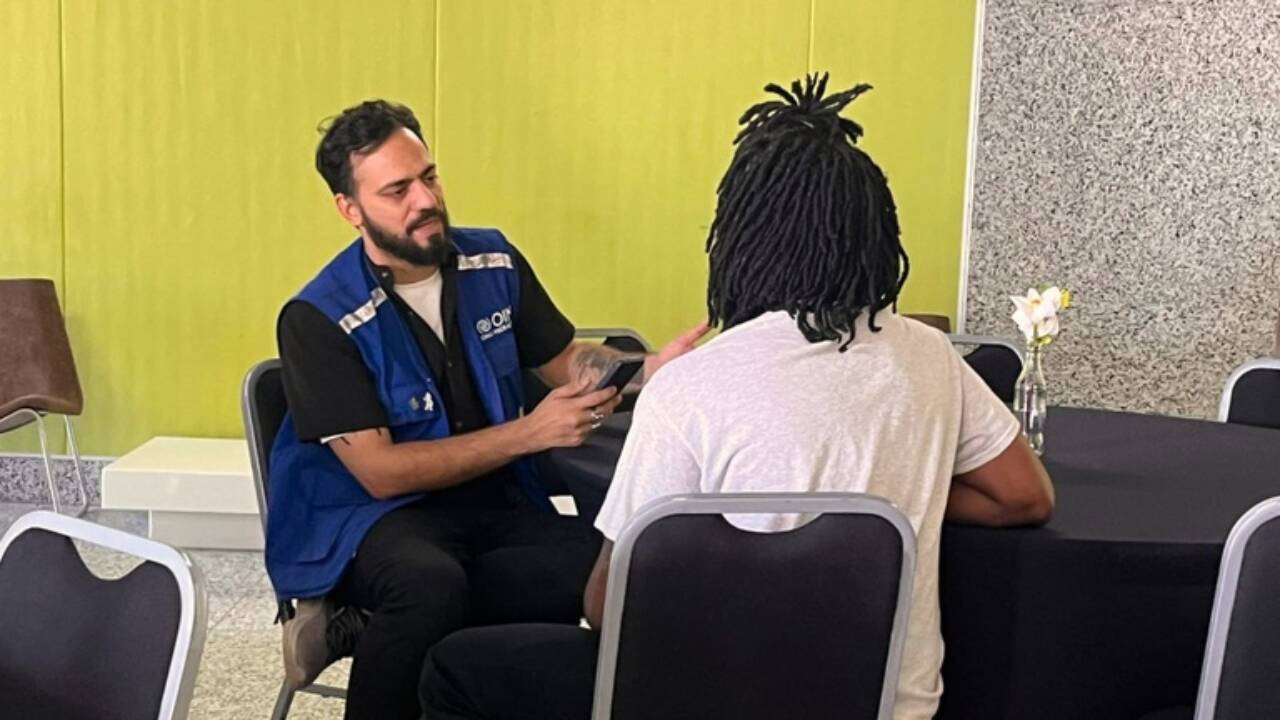
They escaped in February 2025, rescued by an international NGO after negotiations with local governments. Both reported electric shocks and beatings for unmet targets. Brazil’s Federal Police have been monitoring recruitment routes since then.
A Brazilian woman from Pernambuco was rescued in June 2025 from sexual exploitation in Myanmar’s Karen State. The Federal Police’s Operation Double Key dismantled cells in Brazil linked to these mafias.
Scale of trafficking in the region
Myanmar has seen a 20% rise in human trafficking reports since 2024, according to UN data. Over 50,000 global cases involve organ removal in 2025, with a focus on Southeast Asia. Networks use fake hotels and casinos to attract candidates.
In 2025, an Interpol operation across 64 countries arrested 158 suspects, identifying 1,194 victims. In Brazil, fake job ads on Telegram facilitate recruitment for these centers.
Thai authorities have intensified inspections in Mae Sot, but logistical challenges limit border actions. Bilateral cooperation aims to track financial flows from the scams.
Prevention strategies for travelers
NGOs recommend verifying companies through embassies before traveling. Brazil’s Foreign Ministry issues warnings about job offers in Southeast Asia, highlighting smuggling risks.
- Check official foreign job guides on the Ministry of Foreign Affairs website.
- Avoid upfront payments or transfers to unknown “recruiters.”
- Share itineraries with family and enable location tracking on travel apps.
Cases like Vera’s underscore the need for educational campaigns on social media. The UN proposes anonymous reporting lines for migrants in transit.
Criminal networks and their operations
Chinese groups control 70% of Myanmar’s centers, generating billions in annual cyberfraud. Local militias provide protection in exchange for profits. Victims are sold between factions if they fail to generate income.
A Russian model, Dashinima Ochirnimayeva, escaped in 2025 from organ trafficking preparations in the same location. Her testimony helped map routes from Bangkok to Myawaddy.
Investigations point to organ buyers in clandestine clinics in Thailand and China. Belarus coordinates with Interpol to extradite leaders.