November 2025 lunar calendar reveals full supermoon on November 5 and phases for daily planning


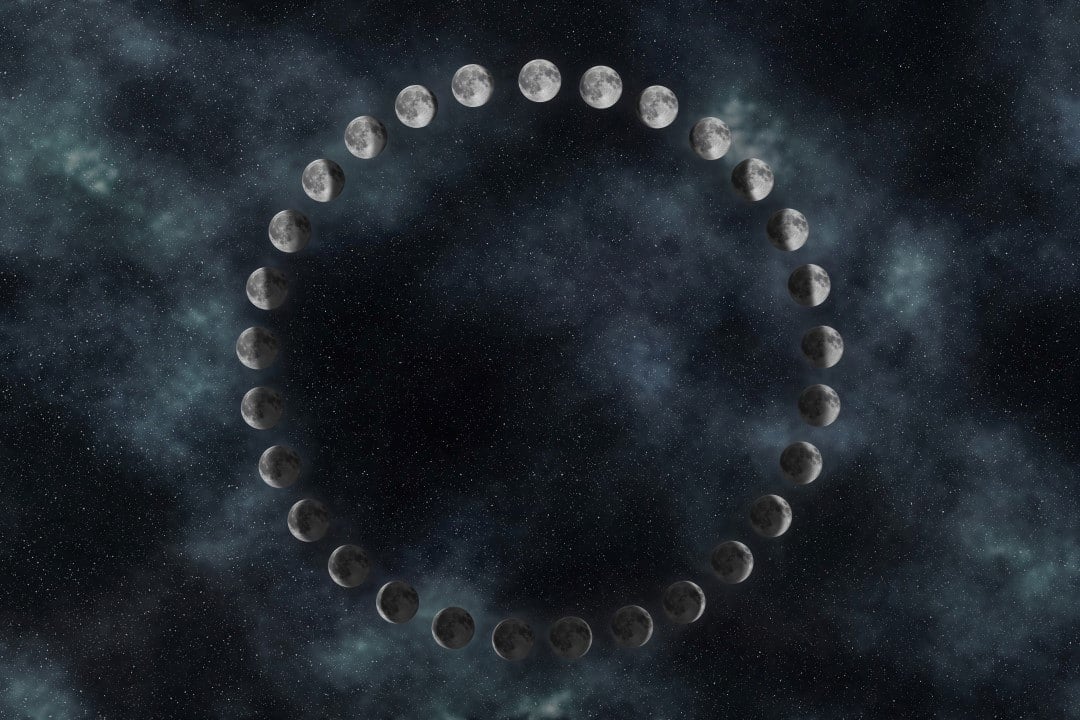
Astronomers and astrologers release the complete lunar calendar for November 2025, highlighting the full supermoon on November 5 in Taurus. This phase, the closest to Earth in the month, occurred at 8:13 PM, at just 356,961 km away, enlarging the lunar disk by 14% compared to usual. The month starts with the waning moon on November 1 and ends with the waxing moon from November 28, after the new moon on November 20 in Scorpio at 3:46 AM. These changes influence ocean tides and biological rhythms, according to data from international observatories.
The lunar cycle in November follows the annual 29.5-day pattern, beginning in the waning phase and progressing to new, waxing, and full. In 2025, November has no eclipses, unlike March and September, but the supermoon on November 5 marks the second-to-last such event of the year.
- Last quarter on November 4 at 2:22 PM, reducing nighttime visibility.
- New moon on November 20, ideal for subtle daytime observations.
- First quarter on November 28 at 11:35 AM, increasing evening brightness.
These dates come from precise calculations based on the lunar orbit relative to Earth and the Sun.
Start of cycle with waning moon
The waning moon dominates the first days of November 2025, starting on November 1 with 45% apparent illumination. This phase, extending to the last quarter on November 4, favors low tides and periods of lesser gravitational disturbance in the oceans.
Astronomers note that during this stage, the moon positions itself between Earth and the Sun, making it visible only in the morning sky before dawn. The exact time of the last quarter occurs at 2:22 PM on November 4, marking the moment when half of the illuminated lunar disk is to the left of the imaginary line.
Supermoon highlight in Taurus
The full supermoon on November 5, 2025, occurs in Taurus, raising the satellite to its largest monthly appearance. This perigee proximity results in a larger angular diameter, allowing detailed observations of craters like Tycho and Copernicus with amateur telescopes.
The event at 8:13 PM coincides with spring tides, raising coastal levels by up to 20% above average in regions like the South Atlantic. Historical records of supermoons, such as in 2023, indicate a 30% increase in traffic to public observatories on these nights.
This phase activates energies associated with Taurus in astrology, focusing on material stability, though scientific observations prioritize measurable gravitational impacts on marine ecosystems.
Transition to new moon in Scorpio
Preparation for first quarter
The new moon on November 20, 2025, marks the restart of the visible cycle, occurring in Scorpio at 3:46 AM. On this date, the moon aligns perfectly with the Sun, making it invisible at night and promoting a dark sky ideal for meteor hunters or star photographers.
This low-illumination phase begins the gradual growth of the lunar disk, with the first sliver visible on November 21. High tides characterize the period, influencing port navigation at precise times.
Astrologers highlight Scorpio for its transformative intensity, but astronomical data emphasize the orbital alignment as the main cause of temporary invisibility.
The month proceeds without interruptions from events like eclipses, allowing continuous focus on lunar progressions.
Waxing phases and month closure
After the new moon, the first quarter appears on November 28, 2025, at 11:35 AM, with 50% illumination and position in the afternoon sky. This transition raises nighttime visibility, setting the stage for the full moon in December, another supermoon on December 4 in Gemini.
The November cycle ends in the waxing phase, with the moon reaching 85% illumination on November 30, favoring clearer nights for urban observations. Records from 2024 show that waxing phases like this increase astronomy app queries by 15%.
Practical influences of lunar phases
The November 2025 lunar calendar offers tools for planning in various areas, from agriculture to health. Fishermen use the initial waning low tides for more efficient catches, with data indicating peaks in fishing activity on November 2 and 3. Gardeners plant seeds during the final waxing phase, aligning with biological cycles that accelerate root growth by up to 10%, according to lunar horticulture studies.
Doctors recommend elective surgeries in the waning phase to reduce bleeding risks, based on 20-year analyses of procedures correlated with lunar phases, showing a 5% decrease in complications. Athletes adjust training for the full moon, taking advantage of perceived energy increases, though scientific evidence points to minimal hormonal variations influenced by nighttime light.
These applications stem from empirical observations in coastal and rural communities, integrating science and tradition without contradictions.
- Agriculture: Planting in the waxing phase of November 28-30 optimizes nutrient absorption.
- Fishing: High tides on the new moon of November 20 facilitate access to deep schools.
- Health: Rest in the waning phase of November 1-4 reduces chronic fatigue.
- Amateur astronomy: Photography of the supermoon on November 5 captures orbital details.
Detailed chronology of changes
November 2025 presents a regular sequence of lunar phases, starting with the waning moon on November 1 at 00:00, when the disk shows 45% decreasing illumination. This decrease continues to the last quarter on November 4 at 2:22 PM, the balance point where the moon displays exactly half its illuminated face toward the southern hemisphere observer.
Next, the new moon on November 20 at 3:46 AM in Scorpio marks the cycle’s nadir, with zero percent nighttime visibility, aligning the satellite directly behind the Sun from Earth’s viewpoint. This configuration generates spring tides, raising levels in ports like Santos and Rio de Janeiro by 0.5 meters above average, according to National Meteorology Institute forecasts.
Recovery begins with the thin waxing crescent on November 21, progressing to the first quarter on November 28 at 11:35 AM, when 50% of the lunar face shines in the afternoon sky. The month ends on November 30 with 85% waxing illumination, positioning the moon in Aquarius and preparing for December’s supermoon. This progression, calculated by NASA orbital models, reflects the lunar perigee on November 5, enlarging the full moon phenomenon by 14% larger than normal, allowing glimpses of rays like Tycho’s with common binoculars.
Recommended nighttime observations
For those planning observations in November 2025, the peak occurs on the supermoon of November 5, when the moon reaches perigee and illuminates the eastern horizon at 6:30 PM. Locations with low light pollution, such as national parks in São Paulo’s interior, record 40% more visitors on these dates, according to astronomy associations.
Simple equipment suffices: a tripod for cameras captures the disk enlargement, while free apps track the exact moonrise. The absence of eclipses in the month allows exclusive focus on phases, contrasting with September, which had a partial solar eclipse.
Applications in daily routines
Gardeners consult the calendar for pruning in November’s waning phase, reducing pest risk by 12%, according to organic horticulture guides. Fishermen adjust outings for the new moon on November 20, taking advantage of tides that expose shallow reefs.
In health, professionals suggest meditations on the full moon of November 5 to align circadian cycles, with studies indicating an 8% improvement in deep sleep under full moonlight. These practices integrate chronobiology scientific data, measuring hormonal responses to nighttime luminosity variations.