Cell phones at the wheel lead the causes of accidents around the world and drivers admit the risk Por Beatriz
3 min de leitura
 |
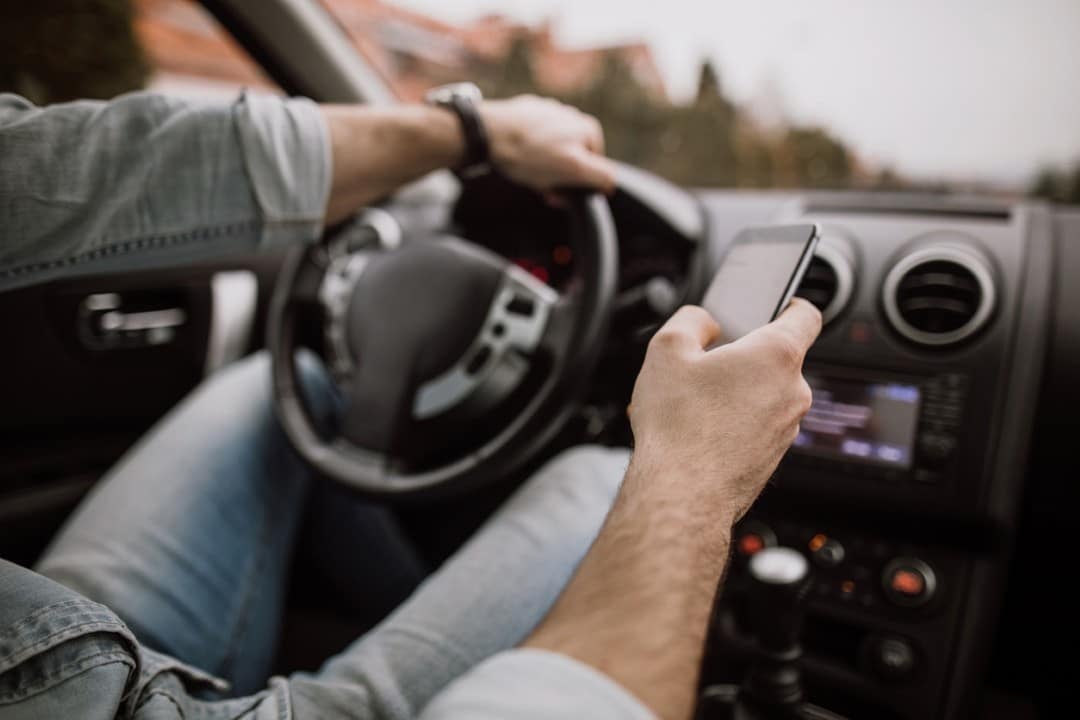
Cellphones behind the wheel are becoming the main cause of accidents in the world. Surveys with drivers reveal that 76% consider the smartphone to be the biggest villain on the streets and roads. The problem even surpasses crime, indicated by 44% of those interviewed.
Using the device reduces attention and increases reaction time in emergencies. Experts point out that the brain loses focus on the environment when handling messages or calls.
- Excessive speed leads as the first cause.
- Alcohol consumption comes in second place.
- Cell phone comes in third, but stands out due to its growing adoption.
Distraction affects reaction
Drivers face braking delays when consulting screens. The time to avoid obstacles increases by more than 50%.
Studies show that the brain ignores 70% of its surroundings during interactions with a cell phone. Even vibrations cause loss of concentration.
Risks on different vehicles
Car drivers type messages while driving. Motorcyclists and cyclists repeat this behavior on urban roads.
Pedestrians cross streets with their eyes fixed on the device. The practice increases the chances of being run over at intersections.
Fines vary by country
Infractions for talking on a cell phone generate penaltiesaverages in different nations. Handling the device results in serious punishment.
The risk of accidents increases by 400% when checking texts. Typing messages is equivalent to driving with an obstructed view.
Effects after use
Cognitive capacity remains altered for seconds after calls. Drivers stay focused on incoming content.
Connected vehicles enable hands-free connections. Users prefer to interact directly with screens.
Connection Technologies
Integrated systems aim to reduce hazards. Hands-free devices answer calls with voice commands.
Navigation apps require constant attention. Real-time updates take your eyes off traffic.
Behavior in emergencies
Reaction to green traffic lights delays with use of the device. Vehicles stop abruptly in lanes.
Obstacles arise without immediate response. Side collisions increase at busy intersections.
Preventive measures adopted
Educational campaigns warn about reaction times. Authorities reinforce inspections at peak times.
Companies develop function blockers on the go. Sensors detect speed and limit access.
Global observatory data
Organizations record an increase in incidents linked to digital distractions. Annual reports compile cases across continents.
Countries implement specific laws to curb practices. Penalties include license suspension for repeat offenses.
Safe alternatives
Voice assistants process messages without touch. Commands activate automatic responses.
Driving mode in operating systems silences notifications. Focus remains on the road during journeys.