Investigation reveals human safari in Sarajevo: Italians financed shootings against children and residents in the 1990s


The Milan Public Prosecutor’s Office has begun a formal investigation into the participation of Italian citizens in supposed human safaris in the siege of the Bosnian capital of Sarajevo, between 1993 and 1995. Authorities suspect that wealthy tourists paid high amounts to Bosnian Serb militias to receive weapons and strategic positions in the hills around the city, where they shot at unarmed civilians. The complaint, based on witness reports and historical documents, could result in charges of intentional homicide aggravated by cruelty and futile motives.
The initiative gained momentum after Italian journalist Ezio Gavazzeni filed a detailed complaint, supported by former Sarajevo officials and intelligence reports. The siege, which lasted almost four years, killed more than 11 thousand people, with snipers positioned at geographical elevations exploiting the vulnerability of the besieged population.
- Complaint includes testimonies from former Bosnian soldiers who interrogated Serb prisoners about the scheme.
- Payments ranged from 80,000 to 100,000 euros in current values, equivalent to R$490,000 to R$610,000.
- Excursions departed weekly from Trieste, Italy, via Belgrade, returning on Sundays.
Authorities plan to call at least a dozen witnesses, including family members of victims and a former Bosnian intelligence agent.
Lethal Tour Logistics
The alleged participants, described as weapons and hunting enthusiasts with a wealthy profile, were organizing a tripshort ns for specific weekends. They met in Trieste, flew to Belgrade and proceeded by helicopter or land vehicles to the Pale Hills, the base of Bosnian Serb forces. There, they were given rifles and instructed to aim at targets in the city, including busy streets known as “Sniper Alley.”
Reports indicate that the scheme involved intermediaries who guaranteed anonymity and security, with discreet returns to Italy without interruptions. The complaint points to around 100 potential people involved of different nationalities, but the initial focus is on Italians without formal military ties.
Complaint driven by documentary and old reports
The Slovenian documentary “Sarajevo Safari”, released in 2022 and shown at international festivals, brought together anonymous testimonies from survivors and former soldiers who described the presence of foreigners in shooting positions. The film, directed by Miran Zupanič, was based on interrogations of Serb prisoners captured by Bosnian intelligence in late 1993.
Gavazzeni, who has been collecting evidence since the 1990s, returned to the topic after watching the film and received support from the former mayor of Sarajevo, Benjamina Karić. She compiled a report with accusations against wealthy foreigners, including details of an alleged price list for targets, with addedthose for children.
Witnesses cited include an injured firefighter who observed snipers with equipment distinct from regular Serbs during the trial of Slobodan Milošević in The Hague. The Italian prosecutor’s office, led by Alessandro Gobbis, incorporated these elements into the 17-page complaint.
Context of the siege and civilian casualties
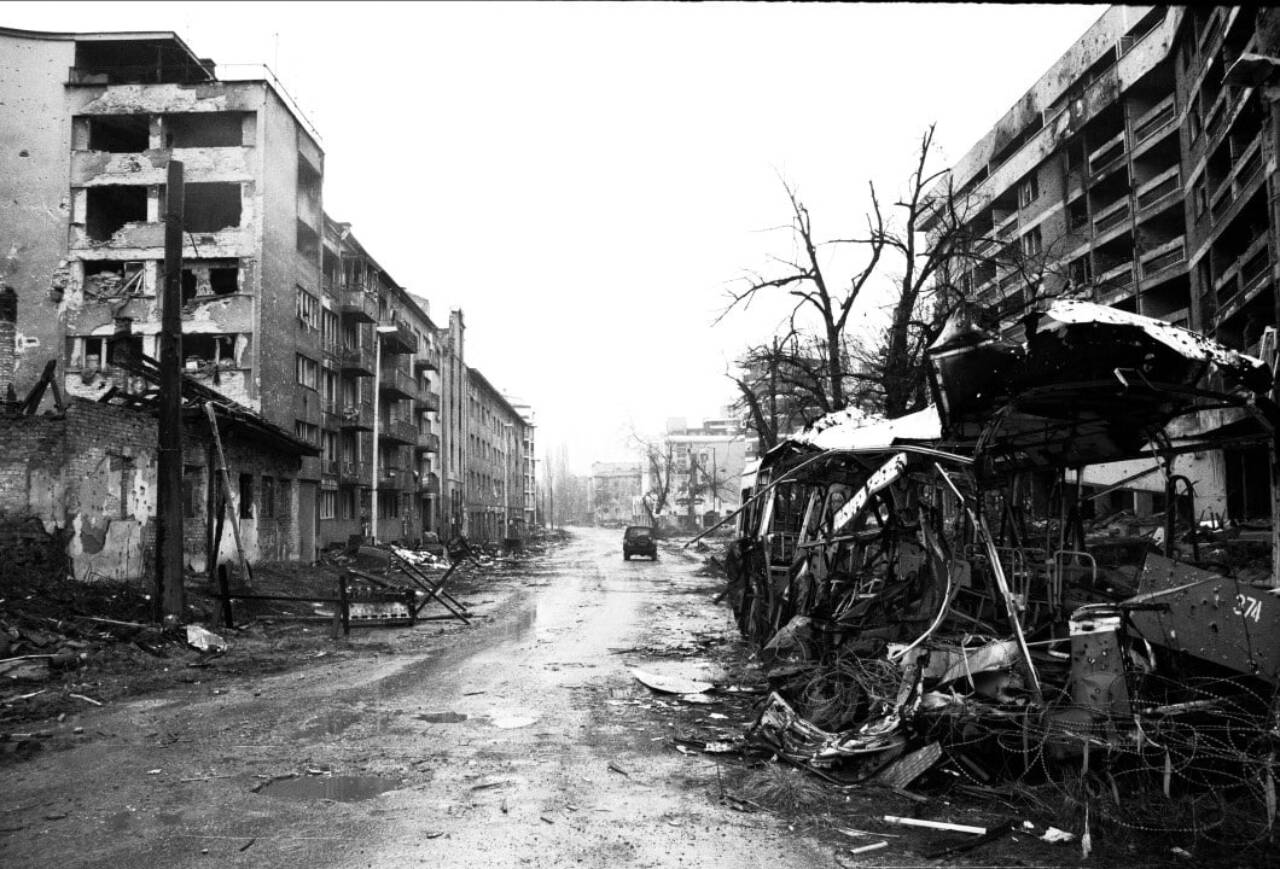
The siege of Sarajevo began on April 5, 1992 and lasted until February 29, 1996, totaling 1,425 days of blockade by forces from the Republic of Srpska, supported by Milošević’s Yugoslavia. The Muslim-majority Bosnian capital was isolated in a valley, with artillery and snipers in the mountains cutting off supplies of water, electricity and food.
Civilians faced random gunfire while searching for supplies on exposed streets such as Meša Selimović Boulevard, nicknamed “Sniper Alley.” Unicef recorded that 65,000 of the 80,000 local children were targeted by snipers, contributing to 5,434 confirmed civilian deaths, 3,855 of which were Bosniaks.
Peace agreements and war crimes trials
The conflict ended with the Dayton Accords, signed in November 1995, which divided Bosnia into ethnic entities and removed Serb troops from positions in February 1996. UN intervention included airlifts for supplies and peacekeepers, but did not prevent atrocities such as ethnic cleansing and the Srebrenica massacre.
International courts have convicted Serbian leaders of crimes against humanity. Radovan Karadžić, former leader of Republika Srpska, received 40 years in prison for ggenocide in 2016. Ratko Mladić, military commander, and Stanislav Galić, responsible for snipers in Sarajevo, were also sentenced to life in prison.
The investigation in Milan may reopen Italian intelligence files, which were alerted in 1994 about the presence of foreign civilians on the front lines.
Involvement of other nationalities
In addition to Italians, reports point to participants from the United States, Russia and other European countries on similar safaris, attracted by a fascination with weapons or extremist ideologies. One documented case involves Russian writer Eduard Limonov, filmed shooting in Sarajevo in 1992 alongside Karadžić.
Serbian veterans deny the allegations, calling them “urban legends”, but prosecutors rely on evidence from interrogations and Slovenian intelligence reports. The Bosnian consul in Milan, Dag Dumrukčić, offered full cooperation to access local archives.
The investigation prioritizes victims who left essential shelters, with estimates of 15,000 injured in the siege.
Advances in the current investigation
Prosecutors and the Carabinieri Special Operations Squad identified initial names of suspects, focusing on hunting and far-right circles in northern Italy. A parallel investigation in Bosnia stalled due to ethnic divisions, but the Italian case moves forward with access to files from Sismi, the military intelligence service.
Witnesses include a Bosnian officer who alerted Italian authorities in 1994 about at least five Italians in the hills. Family members of victims and survivors of “Sniper Alley” will be interviewed in the coming weeks.