Eloá case: director explains Nayara’s refusal to appear in Netflix documentary due to lasting trauma Por Carolina Costa
3 min de leitura
 |
Netflix released the documentary “Caso Eloá: Refém ao Vivo” on November 12, 2025, revisiting the kidnapping and murder of Eloá Pimentel in Santo André, São Paulo, which took place in October 2008. The production, directed by Cris Ghattas, includes unpublished testimonies from family members and those involved, but does not include the participation of Nayara Rodrigues da Silva, a friend of Eloá and also a hostage of Lindemberg Alves. According to director and producer Veronica Stumpf, Nayara declined the invitation due to the persistent sensitivity of the episode, which still causes pain to the survivor.
The case lasted around 100 hours of police negotiations broadcast live by the media, culminating in the death of Eloá by gunfire from the kidnapper during an invasion by the Special Operations Group. Nayara, shot in the face, survived and was temporarily released before returning to captivity due to a police mistake.
Unpublished testimonials in production
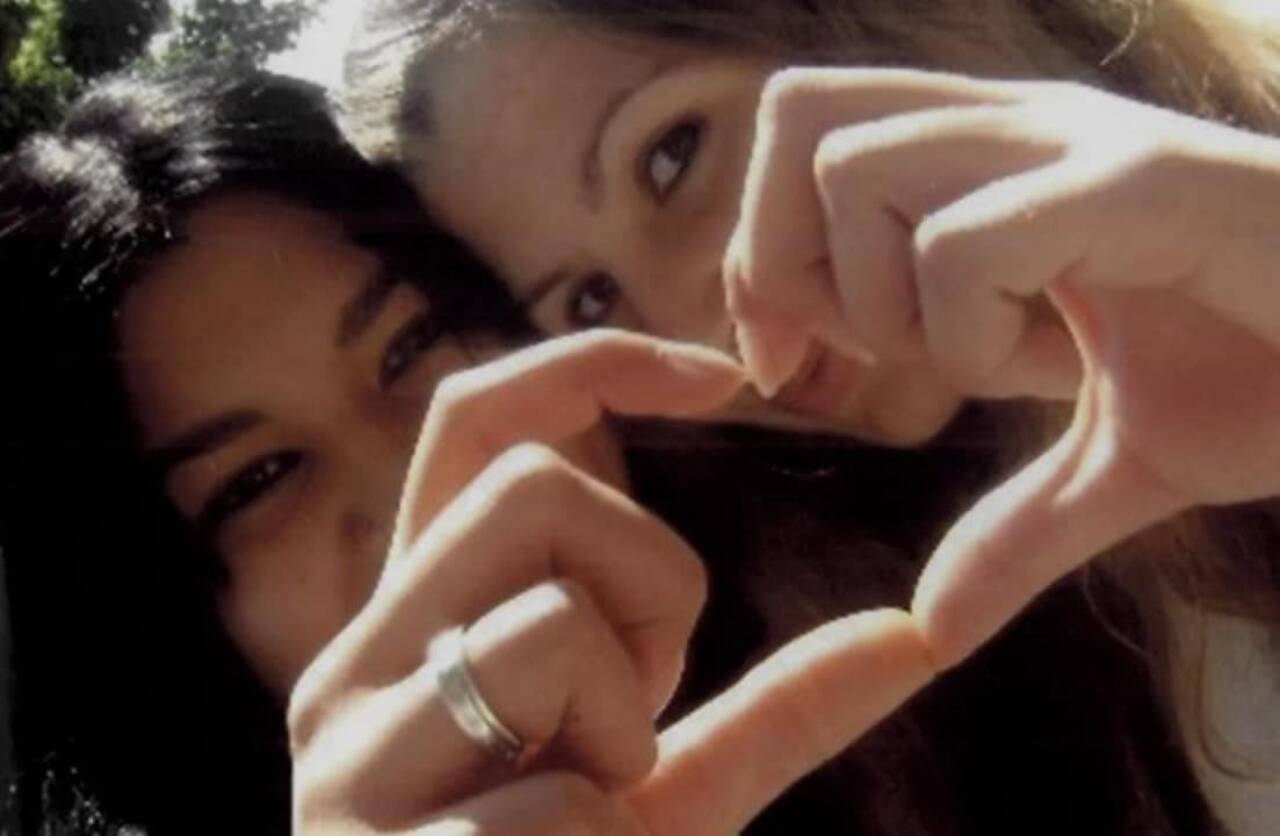
The series brings together reports from family members close to the victim.
Eloá’s brother, Douglas Pimentel, and friend Grazieli Oliveira speak publicly for the first time about the impacts of the crime. The teenager’s parents also contribute exclusive narratives.
Journalists and authorities who worked on the 2008 coverage add details about the negotiations.
Reasons for Nayara’s refusal
Cris Ghattas stated that the team contacted everyone involved in the episode.
Nayara preferred not to participate to avoid revisiting painful memories. Producer Veronica Stumpf highlighted respect for the young woman’s choice, who maintains a discreet life in São Paulo at age 32.
The absence does not change the factual focus of the narrative, based on available files and testimonies.
Nayara’s decision reflects the trauma of being shot and witnessing her friend’s death.
Reconstruction of 2008 events
Lindemberg Alves invaded Eloá’s apartment on October 13, holding hostages during school studies.
Two boys were released on the first day, but the teenagers remained for days. Live phone calls with reporters prolonged the captivity, according to reports from professionals at the time.
Live media coverage
Real-time transmission by broadcasters allowed the kidnapper to monitor external movements.
Reporters interviewed Lindemberg by telephone, sparking debates about journalistic ethics. The documentary includes excerpts from Eloá’s diary, previously unpublished, revealing personal aspects of the victim.
Police and media faced criticism for failures in coordinating actions.
Lindemberg is serving a 39-year sentence at the Tremembé Penitentiary, after reducing his initial sentence to 98 years in 2013.
Nayara has avoided public exposure since 2008, with her last statement being made in a brief post-rescue interview. Eloá’s family continues to process their grief through statements in the production.
Eloá’s father, Everaldo Pereira dos Santos, temporarily arrested after the crime, also appears in updated reports.
Documentary structure
The work lasts around 85 minutes and is divided into a chronological reconstruction of the facts.
Archival materials, original audio and interviews form the core of the narrative. The management prioritizes objective recording, without sensationalism, focusing on the perspectives of victims and professionals.
Exclusive premiere on the Netflix platform, available globally from launch.