Simpsons anticipates weight loss revolution: the science behind pens that transform health

The animated series “The Simpsons” surprised fans once again with one of its notable predictions, this time focusing on so-called “slimming pens”. Esse concept, initially treated with humor in fiction, today reflects significant advances in weight loss technologies, such as injectable medications and non-invasive devices. The series, known for satirizing trends, anticipated innovations that now, in 2025, will transform the treatment of obesity on a global scale.
Medicines such as Olire, Wegovy and Mounjaro use substances such as liraglutide and tirzepatide to regulate appetite and promote weight loss. The series’ prediction, which seemed distant years ago, came to life with recent launches by national and international pharmaceutical companies, driving a fundamental debate about the safe and effective use of these new tools.

On the national scene, pharmaceutical company EMS marked an important step with the launch of Olire in August. Trata was the first national injectable pen designed to treat obesity, a milestone for the industry.
The vision of the Simpsons and scientific achievement
The ability of the screenwriters of “The Simpsons” to anticipate technological trends has become legendary. The “weight loss pen”, shown in old episodes, predicted the development of injectable medications such as Ozempic, Saxenda and Mounjaro, which work through GLP-1 analogues to control appetite. Esses treatments, approved for obesity and type 2 diabetes, represent a revolution in health, with studies indicating losses of up to 25% of body weight in some patients.
More on this story: Weight loss pens: body transformations that go beyond the scale and focus on recomposition
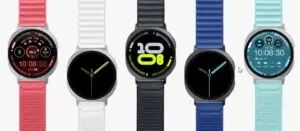
The series’ predictions go beyond health, including video calls, smartwatches and virtual assistants, like Alexa, long before their popularization. The writers’ satire manages to capture collective desires and emerging trends, transforming fiction into reflections on the future. In the context of the weight loss pen, the central idea reflects the continuous search for practical solutions to a global problem that, according to Organização Mundial of the Saúde (WHO), affects more than 700 million people.
Pharmacological mechanisms of injections
Injectable pens, including Olire, Wegovy and Mounjaro, operate with active ingredients such as liraglutide and tirzepatide. Essas substances mimic the hormone GLP-1, which plays a crucial role in regulating satiety and blood glucose levels. Inicialmente Developed for the treatment of type 2 diabetes, these medications have shown impressive results in weight loss, with clinical trials, such as the SURPASS study, pointing to weight reductions of 15% to 25% in individuals with obesity.
Learn more: Using weight loss pens can reduce the risk of some types of cancer, studies indicate
The technology used to produce these pens is remarkably sophisticated. EMS, for example, uses a chemical peptide synthesis process to manufacture liraglutide, a method that proves to be more agile and economically advantageous compared to the use of genetically modified bacteria. Esse technological advances allowed Olire to reach the market at a cost up to 20% lower than its imported competitors, a factor that contributes to expanding access to treatment.
Cautions and potential adverse effects
Although weight loss pens represent a promising advance, their indiscriminate use is a cause for concern for health experts. A study published in the journal JAMA in 2023, for example, associated medications such as semaglutide and liraglutide with up to nine times greater risks of pancreatitis, in addition to possible occurrences of intestinal obstruction and stomach paralysis. Esses effects, although considered rare, reinforce the importance of strict medical monitoring during treatment.
Agência Nacional of Vigilância Sanitária (Anvisa) requires, since 2025, the retention of revenue for the sale of pens such as Olire and Wegovy. Essa measure was implemented to curb off-label use, a practice observed with medications such as Ozempic, which was used for aesthetic purposes without clinical indication. Endocrinologistas, like Cristiane Moulin, emphasize that obesity is a chronic disease, and the benefits of pens outweigh the risks when administered correctly and under supervision.
See Also



The growing popularity of these pens, driven in part by public figures, has increased demand but also intensified inappropriate use, requiring broader awareness campaigns.
The impact of innovation on public health
The launch of Olire by EMS represents a strategic advance for the national scenario, which is facing an obesity epidemic, affecting more than 6.7 million people, according to data from Ministério and Saúde. With prices up to 20% more competitive, the pen developed in the country has the potential to democratize access to treatments that were previously predominantly dominated by imported brands. EMS projects the production of 250 thousand units by the end of the year, with the expectation of generating R$100 million in revenue.
On the same topic: Eurofarma starts selling weight loss pens across the country with a significant price reduction, expanding access
The global pharmaceutical industry continually invests in a variety of weight management solutions, including technologies such as fat-breaking ultrasound and new hormonal medications. Contudo, injectable pens maintain market leadership, with sales reaching R$3.3 billion in the country in 2025. The approval by Anvisa of the drug Mounjaro for the treatment of obesity, in June, reinforces the trend towards developing increasingly personalized and effective treatments.
Strategies for lasting results
Weight loss pens should not be seen as an isolated solution for weight control. Especialistas, like Alessandra Rascovski, emphasize that the effectiveness of these treatments is intrinsically linked to the adoption of lifestyle changes. The combination of balanced diets and regular physical exercise significantly amplifies the results, while use without adequate supervision can lead to regaining lost weight. Obesicenter, located in São Paulo, for example, recommends personalized therapeutic plans that integrate medication with nutritional guidance and physical activity.
The synergy between pharmaceutical technology and healthy lifestyle habits is the key to achieving lasting results, transforming the prediction of Simpsons into a practical and effective reality for health.
More on this story: Slimming pens and Mounjaro’s mouth: how to protect oral health during treatment
The prophetic legacy of animation
The “slimming pen” is just one example of the vast history of technological predictions that came true in the Simpsons. The series also anticipated the popularization of smartwatches, the emergence of smart glasses and even the election of controversial political figures. Essa screenwriters’ ability to observe and satirize cultural and technological trends reflects a deep understanding of the collective imagination and the directions in which society is heading.
The satire present in the series is not limited to entertaining; it also serves as a catalyst for important debates about innovations. The idea of a simple pen-like solution to obesity has inspired real advances in medicine, but it also raises crucial ethical questions about using medications for purely aesthetic purposes. The legacy of the Simpsons demonstrates how fiction can influence and shape reality, encouraging the scientific community to seek increasingly accessible and effective solutions to contemporary health challenges.