
BYD recalls nearly 89,000 Qin Plus DM-i hybrid vehicles in China due to battery failure


BYD, one of the largest global manufacturers of electric vehicles and plug-in hybrids, has issued a significant recall of 88,981 units of the Qin Plus DM-i model. The affected cars were produced between January 2021 and September 2023, and the measure aims to correct a battery failure that could compromise the vehicle’s performance.
The cause of the problem is directly related to an inconsistency in the battery pack manufacturing process. Tal irregularity, under certain conditions of use, may result in an unexpected decrease in engine drive power, affecting the car’s responsiveness. In extreme situations, the vehicle may not be able to maintain electric (EV) mode and consequently experience a loss of power while driving, raising safety concerns.
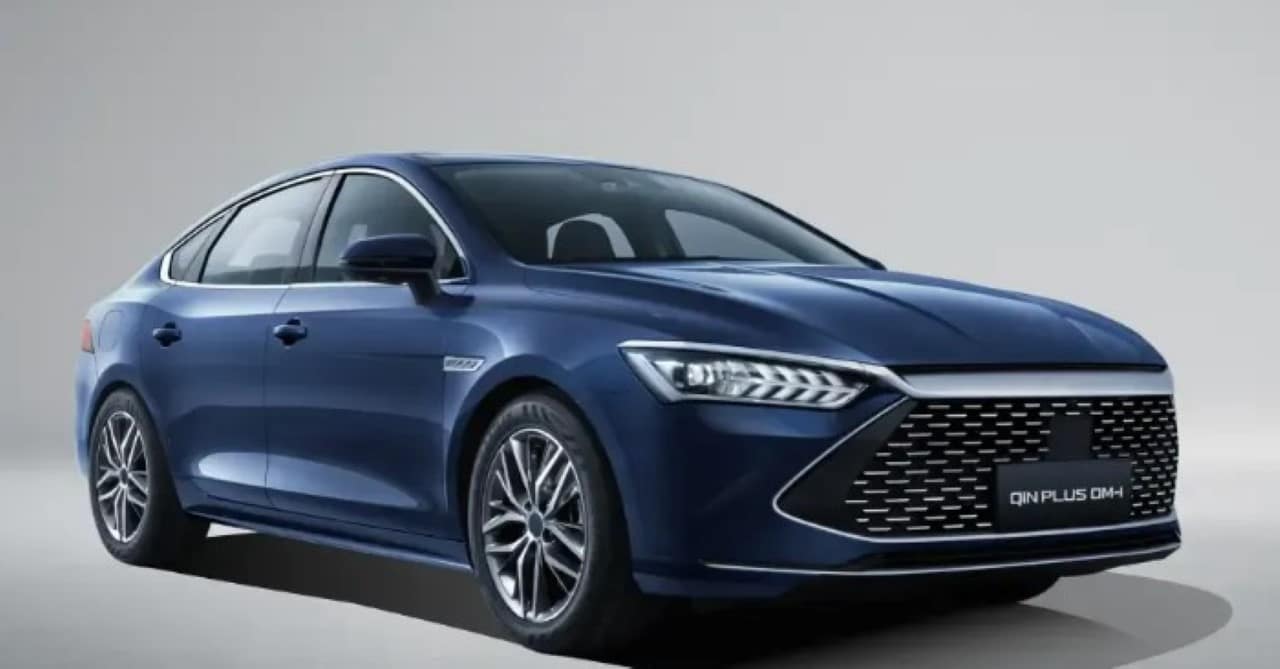
This recall was formally registered with Administração Estatal of Regulação of Mercado (SAMR) of China, the country’s main regulatory body for market and quality issues. The solution proposed by BYD for the affected vehicles includes a software update that can be performed wirelessly (OTA) and, if necessary, the free replacement of battery modules considered defective, ensuring functionality and safety.
Origin of the battery problem
The primary flaw that prompted the recall lies in an inconsistency in the manufacturing process for battery packs, a vital component for the performance of hybrid vehicles. Essa production irregularity can lead to a degradation in the energy supply to the propulsion system, especially under specific operating and demand conditions. Tal anomaly compromises the vehicle’s ability to maintain expected performance, directly affecting the driving experience and electric range.
After applying the software update, the vehicle system is designed to detect any persistent anomalies, issuing alerts to the driver. In Nesses cases, a notification will be displayed on the dashboard, instructing the driver to contact a dealer or authorized service center for a more in-depth inspection. The automaker ensures that the replacement of any defective battery module will be carried out at no additional cost to owners, reinforcing its commitment to safety and customer satisfaction. BYD reported that there are no records of accidents or serious incidents directly related to this failure at the time of the call.
History of recent BYD recalls
This latest recall adds to a series of vehicle recalls carried out by BYD in recent months, highlighting increasing attention to quality and safety across its vast product line. The company, which has established itself as a leader in the electrified market, has faced specific challenges in its production line, common in high-technology and high-volume industries.
In the last quarter, BYD had already issued a recall for 115,299 units of the Tang DM-i and Yuan Pro models. Essa action, which took place in October, was motivated by a defect in the battery cooling system, a crucial component for the longevity and thermal safety of the electric propulsion set. Properly maintaining battery temperature is essential to prevent overheating and ensure optimal operation.
Previously, in September, the Chinese automaker recalled 96,853 vehicles from the Dolphin and Seal lines due to problems related to the safety of high-voltage cables. Esses combined incidents result in a substantial number of affected vehicles, exceeding 300,000 units in recent actions alone, reflecting the complexity of large-scale production of advanced automobiles and the rigor of current quality standards.
Sales performance and the impact of recall
BYD’s sales performance last October saw a global decline, with the automaker selling 441,706 units, a 12% drop compared to the 502,657 units sold in the same period last year. Essa decrease was mainly driven by the plug-in hybrid vehicle segment, which showed a slowdown.
Detailed data from that period reveals a mixed picture in BYD’s portfolio, with some segments growing and others retreating:
The drop in sales of hybrid models is attributed, in part, to growing competitiveness in the Chinese domestic market and a growing consumer preference for pure electric vehicles. Este Market context adds a layer of complexity to the quality challenges the company faces, requiring a rapid response to maintain consumer confidence and competitiveness in a constantly evolving industry.
Automaker actions and consumer safety
BYD is implementing a series of corrective actions to address the battery issue, focusing on safety and minimizing inconvenience for owners of affected vehicles. The main measure involves a battery management system (BMS) update via an over-the-air (OTA) software intervention, which can be performed remotely. Esta update significantly improves the system’s ability to detect and diagnose any anomaly in the battery pack early, increasing proactiveness in identifying problems. Caso If a reduction in power or irregular behavior is identified by the updated system, the vehicle will display clear alerts on the dashboard, instructing the driver to seek authorized maintenance services. Complete replacement of the battery pack will only be carried out after confirmation of the existence of a defect by a qualified technician, ensuring that interventions are precise and effective. Todos the services and parts required for the repair will be fully paid for by BYD, ensuring that consumers will not incur additional expenses and reinforcing the brand’s commitment to the satisfaction and safety of its customers.
Reinforcement of supervision at China
Chinese regulatory authorities have stepped up oversight of the quality of vehicles and components, with a particular focus on batteries, trucks and vans in recent years. Esta measure reflects a continuous effort to raise safety and reliability standards in the rapidly growing automotive sector.
Consistency in manufacturing has become a central pillar of inspections carried out by government agencies. The objective is to ensure that production processes follow strict quality controls, avoiding failures that could lead to recalls.
Large manufacturers such as BYD, CATL and CALB are subject to rigorous checks on their battery cell and module production processes. Essas Comprehensive inspections aim to identify and correct potential problems before they affect consumers.
The main objective of these actions is to prevent the occurrence of large-scale recalls or frequent incidents that could compromise the industry’s reputation and consumer safety. Este scenario indicates that the China electric vehicle sector is in a maturing phase, where quality management gains prominence.
Next steps for owners
Owners of BYD Qin Plus DM-i models affected by the recall will receive an official notification from BYD in the coming days, detailing the procedures required to check and eventually repair their vehicles. Para obtain additional information or clarify doubts, consumers can visit the company’s official website or contact the nearest customer service center directly. Speedy communication is crucial to ensure that all vehicles are checked within the recommended time frame.
The software update will be carried out automatically, using the 4G/5G connection embedded in the vehicles, which facilitates the process and minimizes the need for owners to travel initially. Contudo, more detailed inspections and eventual replacement of battery modules will be carried out exclusively at BYD’s authorized service network, ensuring the correct application of repairs by specialized technicians.
Importantly, all services, including labor and parts, will be provided at no cost to owners, reinforcing BYD’s commitment to customer satisfaction and safety. The automaker has already reinforced its parts stock to promptly meet the demand generated by the recall, aiming for an efficient and quick solution for everyone involved and minimizing any inconvenience. BYD demonstrates proactiveness in ensuring the availability of resources to handle recall demand.



