

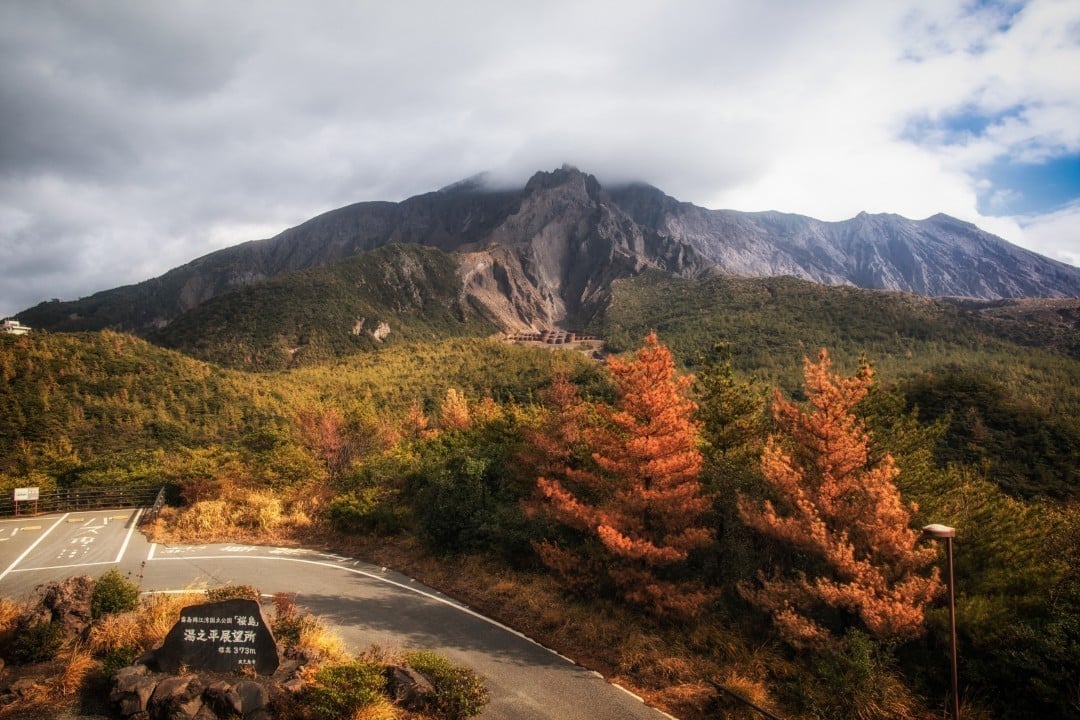
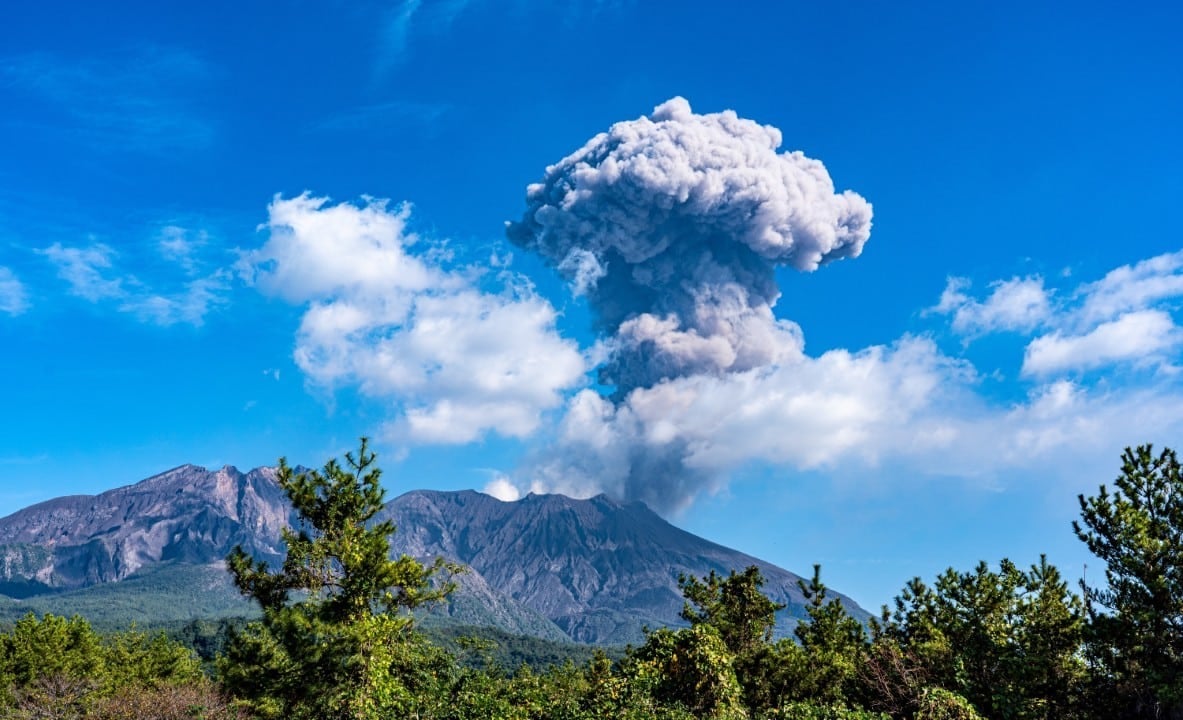
The volcano Sakurajima, located in the province of Kagoshima, in the south of Japão, recorded an explosive eruption at 9:02 am this Tuesday (9). The column of smoke and ash reached 1,600 meters high above the Minamidake crater. Não There have been reports of injuries or material damage so far.
The volcanic plume moves towards the southeast, which could cause ashfall in the cities of Kagoshima and in areas of Miyazaki. The Observatório Meteorológico of the Japão (JMA) issued a specific warning for December 9th.
The volcanic alert level remains at 3 (on a scale of 5), with a ban on approaching within a 2 km radius of the crater.
Details of the recorded eruption
Authorities confirmed that the eruption occurred exactly in the crater of the Minamidake peak, the most active of the Sakurajima complex. The height of 1,600 meters was measured by radar and monitoring cameras.
The amount of ejected material was classified as average, with no signs of visible lava at the time of the explosion.
Areas at risk of ashfall
The wind direction takes the plume to the southeast, mainly affecting the center of Kagoshima and coastal regions of Miyazaki. Moradores were instructed to close windows and avoid prolonged exposure.
- Forecast indicates possibility of fine ash until late afternoon
- Larger particles can reach areas close to the volcano
- Drivers must reduce speed in case of low visibility
- Schools in the region maintain internal activities
Alert level and current restrictions
Level 3 means restricting access to the mountain and preparing for possible localized evacuations. Desde 2018, Sakurajima operates continuously at this level due to constant activity.
Tourists and residents cannot pass the checkpoints installed on the roads leading to the Yunohira observatory and other nearby points.
Recent activity history
Sakurajima records hundreds of explosive eruptions per year, making it one of the most active volcanoes in the Japão. In 2025, more than 300 explosions have been recorded by November.
The last eruption with a plume exceeding 2,000 meters occurred in October. Authorities maintain 24-hour monitoring with seismographs, thermal cameras and soil deformation sensors.
Security measures adopted
The city hall of Kagoshima activated the disaster management center shortly after the eruption. Equipes check the functioning of anti-ash shelters installed in schools and gyms.
The local airline adjusted flight routes to avoid the plume. Maritime transport between Kagoshima and the Sakurajima peninsula operates normally, but with increased attention.
JMA Continuous Monitoring
The Observatório Meteorológico remains alert for possible large volcanic bombs within a 2 km radius. Fluxos pyroclastics also pose a risk at the same distance.
Experts say that current activity does not, so far, indicate a change to a higher alert level.
The population receives real-time updates via the official app and sirens installed in the region.



