


Estados Unidos’s president, Donald Trump, praised Japanese kei cars during an event at Casa Branca on December 3, 2025, calling them “very small and really cute.” The statement came after his official visit to Japão in September 2025, where he observed the compact vehicles on the streets of Tóquio. Trump instructed Transportes’s secretary, Sean Duffy, to approve production of these models in the American market, citing benefits such as fuel efficiency and affordability.
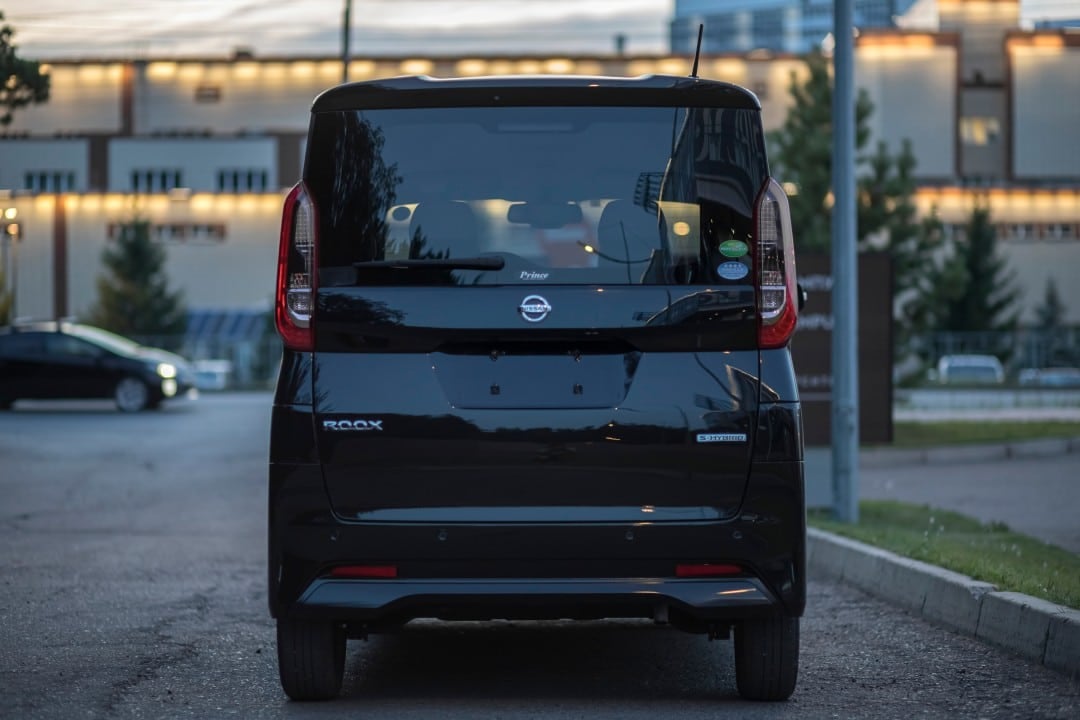
The speech generated immediate repercussions in the Japanese automotive sector, especially for Nissan, which launched the new generation of the Roox in August 2025. The model, a small kei car, meets local regulations with maximum dimensions of 3.4 meters in length and an engine of up to 660 cc. Empresas as well as Honda, Suzuki and Daihatsu dominate the segment, which represents about a third of new vehicle sales in the Japão.
Recent data from Associação Japonesa of Veículos Leves and Motocicletas shows the Roox on the rise in the sales charts. In November 2025, the vehicle registered 7,741 units sold, an increase of 43% compared to October. The success is also reflected in total orders, which exceeded 22 thousand since launch, according to a report by Nissan released on December 8, 2025.
The Trump initiative aims to relax safety and emissions standards in the US, where kei cars face regulatory barriers. Analistas point out that adaptations would be necessary for American crash tests, but the interest could open doors for exports or partnerships. No Japão, the kei car market remains robust, with total sales in November 2025 estimated at more than 100 thousand units.
Roox performance in the monthly ranking
The Nissan announced the Roox’s third place among the best-selling kei cars in November 2025. The model surpassed rivals such as the Suzuki Hustler and the Mitsubishi Delica Mini, thanks to updates in design and technology.
The vehicle offers turbo traction options and packages such as the Highway Star, with prices starting at 1.67 million yen, equivalent to around 11 thousand dollars. Consumidores highlight the optimized interior space and driver assistance systems.
Technical features that attract buyers
Kei cars meet urban needs in the Japão, with compact dimensions ideal for parking in dense cities. The Roox features a 58 horsepower engine and an average consumption of 25 km per liter in a mixed cycle.
Updates in the fourth generation include integration of Google Apps and 360-degree vision cameras. The partnership with Mitsubishi guarantees efficient production in shared factories.
Mild hybrid versions are being tested, aiming to reduce emissions in metropolitan areas. The model weighs less than a ton, making it easier to maneuver in heavy traffic.
Fierce competition in the kei segment
The Honda N-Box led sales in November 2025, with 16,198 units. The Suzuki Spacia came in second, with 12,904 copies, followed by the Daihatsu Mover at 10,951.
- Main rivals and volumes:
- Honda N-Box: 16,198 units (absolute leader).
- Suzuki Spacia: 12,904 units (focus on versatility).
- Daihatsu Tanto: 9,520 units (innovative design).
Nissan plans to expand the Roox line with limited editions for 2026. Chinese Fabricantes, such as BYD with the electric Racco, enter the Japanese market in mid-2026, intensifying the dispute.
The kei segment represents 33% of passenger vehicle registrations in the first half of 2025, according to data from Japan Automobile Manufacturers Association. Benefícios taxes, such as reduced taxes, support the preference for these models over larger vehicles.
Possible impacts of declaring Trump
Trump mentioned the potential of kei cars to reduce average vehicle costs in the US, which exceed $50,000. The executive order signed on December 3, 2025 revises Biden-era fuel efficiency standards, paving the way for imports.
Washington experts discuss safety adaptations, such as reinforcement in crash structures. Nissan has expressed interest in collaborations with American automakers, but with no immediate plans for local production.
Nissan’s chief executive, Ivan Espinosa, commented in a recent interview about potential partnerships with Honda and Mitsubishi. Essas alliances could speed up approvals for the North American market, where used kei cars over 25 years old are already circulating via parallel imports.
Trips from Trump to Tóquio highlighted bilateral trade negotiations, including tariffs on Japanese goods. The kei car proposal appears as a counterpoint to demands for exports of American pickup trucks, such as the Ford F-150.
Evolution of the kei market since 2020
The kei segment grew 10% in total volume in the first half of 2025, following declines in 2024 due to testing scandals in Daihatsu. The recovery is due to innovations in trams, such as the Nissan Sakura, with a range of 180 km.
Annual sales of kei cars surpassed 1.5 million units in 2024, with similar projections for 2025.
BYD plans to launch Racco, its first dedicated electric kei, challenging local brands. Testes initials indicate competitive pricing below 2 million yen, with a focus on zero emissions.
Automakers invest in autonomous versions of kei cars, targeting rural roads. Roox, with updates in August 2025, positions Nissan as a key player in this transition.
Regulatory challenges for global expansion
American regulations require more rigorous crash tests than Japanese ones for kei cars. Approval of Trump would require amendments to National Highway Traffic Safety Administration, processing changes in months.
Importers in the US already sell vintage kei trucks, adapted for recreational use. Volumes per year are in thousands of units, limited by minimum age rules of 25 years.
União Europeia considers similar categories for microvehicles, inspired by the Japanese model. Discussões in Bruxelas target tax incentives for vehicles below 660 cc in European cities.
In Japão, the government reviews benefits for kei cars in 2026, balancing urban mobility and emissions. The Nissan monitors these changes for adjustments to the Roox.
Nissan strategies for the future
The Japanese automaker has allocated 500 million yen in marketing for the Roox in 2025. Campanhas emphasize connectivity and safety, attracting urban families.
Expansion to Asian markets, such as Tailândia, tests adaptations of kei cars. The Nissan explores exportable versions with flexible engines for local fuels.
Partnerships with technology startups integrate AI into driving assistants. The Roox 2026 should include over-the-air updates, similar to premium models.
Local success reinforces Nissan’s position in the consortium with Renault and Mitsubishi. Analistas predict 10% growth in kei sales for the brand in 2026.



