

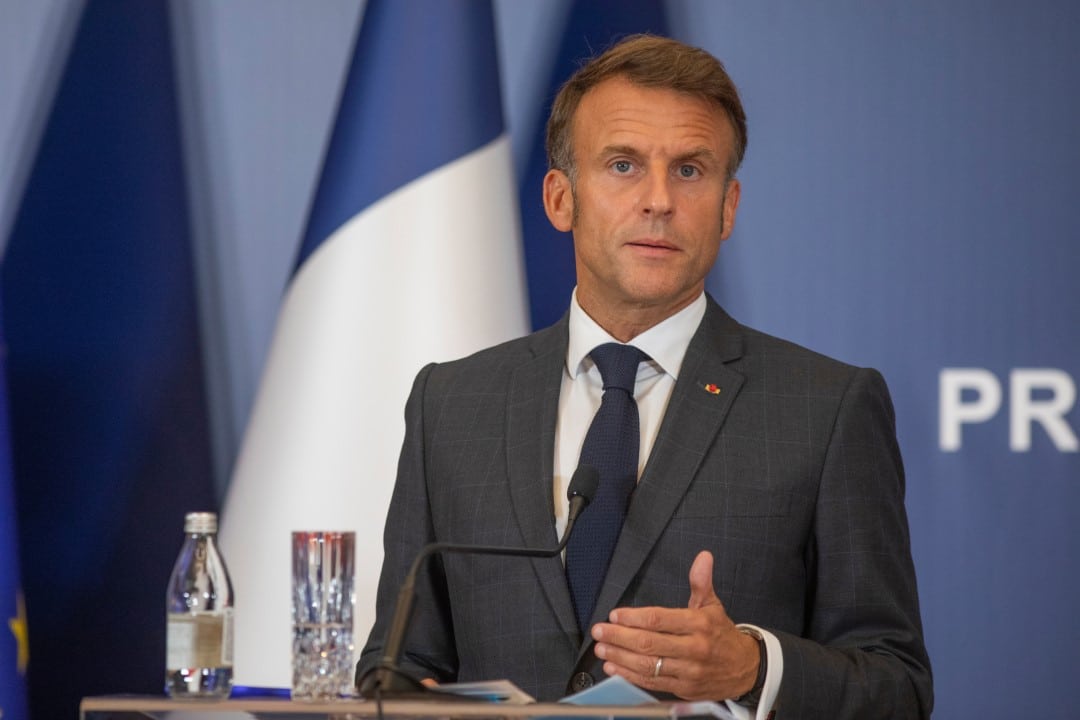
The French president,Emmanuel Macron, declared this Thursday (18), in Bruxelas, that França will not support the trade agreement between União Europeia (EU) and Mercosul without additional safeguards for the country’s farmers. Ele emphasized that the accounts are not final and that the pact cannot be signed in its current form, directing the message directly to French rural producers.
The statement took place before a meeting of Conselho Europeu, where the topic would be debated. Macron reinforced that Paris will oppose any attempt to force the approval of the agreement, scheduled for possible signature on Saturday (20), in Foz of
French farmers expressed concern about competition from South American products, especially beef, poultry and sugar, produced under environmental standards considered less stringent.
- Beef: quota of 99 thousand tons exempt from tariffs.
- Poultry: additional volume represents around 1.4% of European consumption.
- Sugar and ethanol: included in specific quotas to avoid market distortions.
French position on Conselho Europeu
The França remains firmly opposed despite the safeguards recently approved by the Parlamento Europeu. Essas measures include mechanisms to suspend tariff benefits if imports cause serious damage to the European agricultural sector.
Macron highlighted that current protections are insufficient to balance competition. The country demands more robust clauses, including phytosanitary controls and a ban on products with substances banned in the EU.
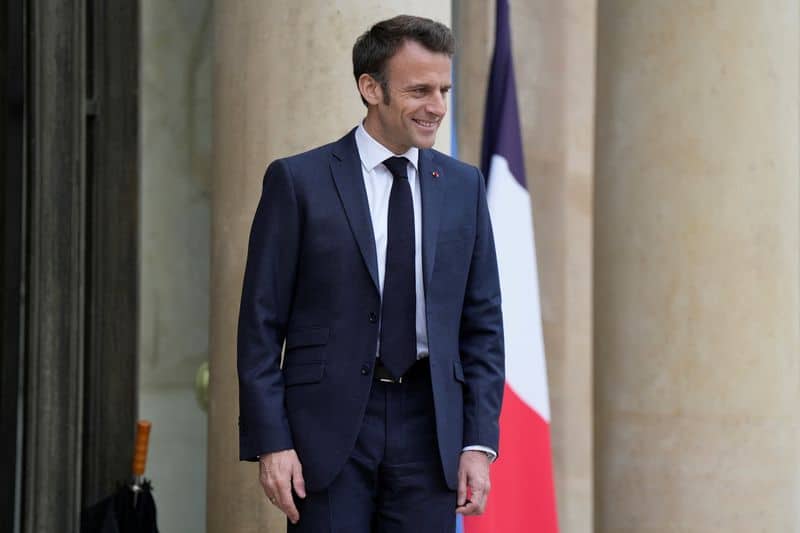
Recently approved safeguards
Parlamento Europeu voted on Tuesday (16) for stricter protection rules. Elas allow intervention by Comissão Europeia if prices of products from Mercosul fall by 5% or more in relation to the European average, or if volumes of exempt imports increase beyond this percentage.
These changes aim to monitor impacts on sensitive sectors. Negociações between Parlamento, Conselho and Comissão occurred to align the final text.
Despite this, França considers the barriers to be insufficient. Outros countries, like Polônia and Hungria, share similar discomfort.
Alliances and blocking minority
The French position gained strength with the alignment of other EU members. Itália, Polônia and Hungria form a group capable of achieving blocking minority on Conselho Europeu.
This configuration represents more than 35% of the bloc’s population, enough to prevent the necessary qualified majority (15 countries representing 65% of the population). Itália, under the leadership of Giorgia Meloni, signaled support for the postponement.
Countries like Alemanha and Espanha defend the agreement for gains in industrial exports. Eles see the pact as an opportunity to diversify commercial relationships.
Trading history
Negotiations between the EU and Mercosul began in 1999 and concluded politically after more than 25 years. The agreement covers tariff reductions on 91% of European exports and 92% of South American exports.
It includes topics beyond agriculture, such as services, investments and intellectual property. Setores European manufacturing and technology companies support the treaty for access to South American markets.
On the side of Mercosul, composed of Argentina, Brasil, Bolívia, Paraguai and Uruguai, there is consensus to move forward. The Brazilian president, Luiz Inácio Lula da Silva, warned that postponement could close the window for signature during his term.
Featured sensitive products
The debate focuses on agricultural items considered vulnerable in Europa.
- Beef and poultry: fear of massive entry of more competitive products.
- Sugar, rice and honey: limited quotas to protect local production.
- Ethanol and corn: monitoring to avoid imbalances.
These products represent a small fraction of European consumption, but generate strong political resistance. Agricultores Europeans argue for reciprocity in health and environmental standards.
Requirements for approval in the European bloc
Conselho Europeu requires a qualified majority to authorize Comissão to ratify the agreement. Sem it, the process stops at the instance of national governments.
Comissão Europeia, led by Ursula von der Leyen, planned a trip to Brasil for the signing. Defensores argue that the pact creates the largest free trade zone in the world.
Benefits designed for both blocks
The agreement provides for the progressive elimination of tariffs over up to 15 years. Europa gains from exports of vehicles, machinery and wine.
Mercosur facilitates the sale of agricultural commodities and access to technologies. Ele recognizes European geographical indications to protect traditional products.
European industrial sectors see diversification in the face of global dependencies. The pact also covers public purchases and production inputs.
Next steps in the European process
Meetings at Bruxelas continue this Thursday and Friday. Líderes debate whether to submit the agreement to a formal vote.
If there is no consensus, the signature on Foz of Iguaçu is compromised. Adiamento could prolong uncertainty for months or years.
Favorable countries press for a quick decision. Opositores prioritize additional protections for agriculture.
Trade pact overview
Negotiated decades ago, the agreement goes beyond agricultural trade. Ele promotes integration in services and investments.
Europe exports more manufactured goods and high technology. Mercosul benefits from farming with controlled quotas.
The final text incorporates environmental and labor commitments. Continuous Monitoramento foresees adjustments according to real impacts.



