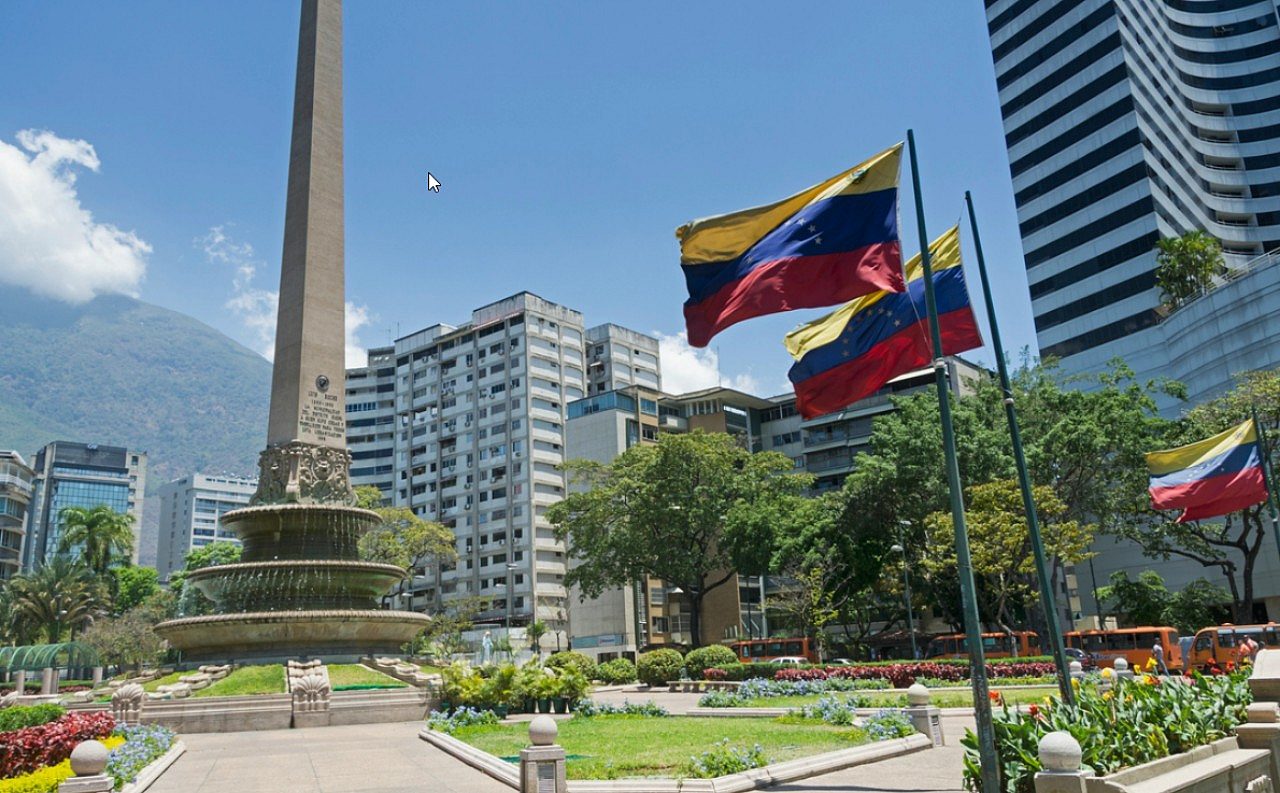
Venezuelan families anticipate a somber 2025 holiday season amidst persistent economic hardship and geopolitical tensions


As the 2025 holiday season approaches, many Venezuelan families face the prospect of muted celebrations, marked by economic strain and the profound absence of loved ones. The ongoing socio-economic crisis, exacerbated by complex geopolitical dynamics, continues to cast a long shadow over traditional gatherings, transforming what should be a time of joy and reunion into a period of quiet reflection and longing across the nation.
Persistent inflation and scarcity of essential goods mean that many households struggle to afford even basic provisions, let alone the festive meals and gifts typically associated with the holidays. This economic pressure forces families to make difficult choices, often prioritizing survival over celebration.
The mass exodus of millions of Venezuelans in recent years has fragmented countless families, with relatives now dispersed across South America and beyond. For those remaining, the holidays are a poignant reminder of these separations, with many unable to share physical embraces or gather around a full table.
Economic realities dimming 2025 festive spirit
Venezuela continues to grapple with severe economic challenges as 2025 unfolds, significantly impacting the purchasing power of its citizens. Despite some government efforts to stabilize the economy, the underlying structural issues persist, leading to a climate of financial uncertainty for most families.
The cost of living remains exceptionally high, particularly for imported goods and even locally produced staples, making traditional holiday preparations a luxury few can afford. Basic foodstuffs, ingredients for customary dishes, and festive decorations are often out of reach for average households, diminishing the celebratory atmosphere.
The human cost of political deadlock
The political standoff between the administration in Caracas and various international entities, including the United States government, shows little sign of abating. This prolonged deadlock, coupled with international sanctions, contributes directly to the economic isolation and hardship experienced by the Venezuelan populace.
The restrictions and diplomatic tensions create a challenging environment for economic recovery and international trade, which in turn limits opportunities and resources for ordinary citizens. This persistent political friction has profound humanitarian consequences, particularly during times meant for family and community.
Navigating a future of uncertainty
Amidst the ongoing difficulties, Venezuelans demonstrate remarkable resilience, finding creative ways to cope with adversity. Many families rely on remittances from relatives abroad, which have become a critical lifeline for daily survival and occasional small celebrations.
Community networks and informal support systems also play a crucial role, with neighbors and friends often sharing resources and emotional support. These collective efforts help to mitigate some of the harsh realities, fostering a sense of solidarity even in challenging times.
However, the future remains uncertain for many, with limited prospects for significant economic improvement or political resolution in the immediate term. This pervasive uncertainty shapes daily decisions and long-term planning, including how families approach holidays.
Diaspora’s distant embraces and digital connections
The vast Venezuelan diaspora, estimated to be over 7 million people, means that for many, holiday reunions are confined to virtual spaces. Video calls and online messages have become the primary means of connecting with family members scattered across continents, offering a bittersweet semblance of togetherness that cannot replace physical presence.
These digital connections, while invaluable, highlight the emotional toll of forced migration and family separation. Children grow up seeing grandparents and aunts and uncles only on screens, and parents miss milestones in their children’s lives, underscoring the profound human cost of the crisis that forces millions to seek opportunities elsewhere.
International relations and domestic impact
The relationship between Venezuela and the US administration continues to be fraught with tension, significantly influencing the country’s economic landscape. Sanctions, while aimed at pressuring the government, often have broad effects on the general population, limiting access to foreign investment and essential imports.
International efforts to mediate the Venezuelan crisis have seen limited success, leaving many citizens feeling caught between opposing political forces. This geopolitical friction translates into practical difficulties for daily life, from accessing medical supplies to securing stable employment.
The ongoing diplomatic complexities mean that the prospect of a swift resolution that could alleviate the economic burden on families appears distant. This situation underscores the deep integration of political dynamics with the everyday experiences of Venezuelans, particularly during emotionally significant periods like the holidays.
As 2025 progresses, the international community continues to monitor the situation, with humanitarian organizations working to provide aid where possible. However, the deep-seated challenges faced by Venezuelan families during festive seasons remain a poignant reminder of a nation yearning for stability and reunion.