Ultralight crash in Rio: pilot on initial flight, confirms zone subprefect amidst 2025 investigation Por Luís Pereira
4 min de leitura
 |
Ultralight crash in Rio: pilot on initial flight, confirms zone subprefect amidst 2025 investigation
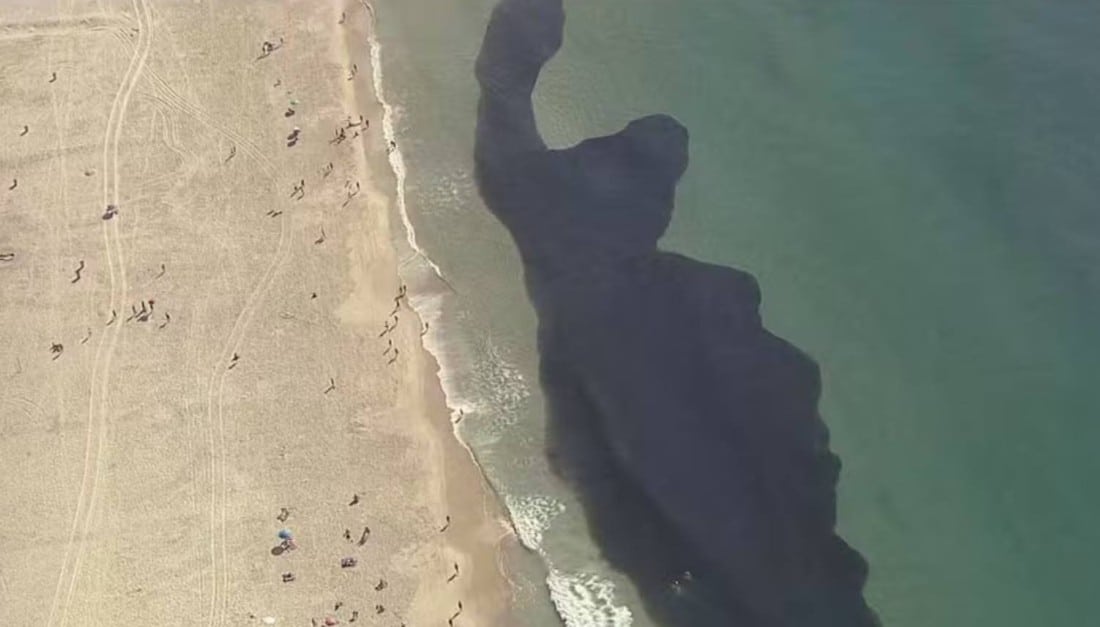
An ultralight aircraft crashed into the sea off Copacabana, Rio de Janeiro, near Posto 3, early on a recent Saturday afternoon. The incident prompted an immediate response from emergency services and local authorities.
Initial reports indicate the pilot was undertaking their first flight in this specific type of ultralight aircraft. This critical detail was conveyed by the aircraft’s operating company to Bernardo Rubião, the subprefect of Rio’s South Zone.
Further information from the control tower at Jacarepaguá Airport, the departure point for the flight, confirmed to the fire department that only the pilot was onboard the aircraft. The subprefect also corroborated this through his social media channels, citing the company’s statement.
Investigation into the Accident Details
Around 3:00 PM, fire department officials reported the discovery of a body, which was subsequently sent to the Forensic Medical Institute (IML) for formal identification. More than 30 military personnel were involved in the extensive search and rescue operations following the crash.
The Brazilian Air Force (FAB), through its Aeronautical Accidents Investigation and Prevention Center (CENIPA), activated its regional unit, the Third Regional Service of Investigation and Prevention of Aeronautical Accidents (SERIPA III). Based in Rio de Janeiro, SERIPA III investigators promptly initiated their preliminary action regarding the incident involving the ultralight, identified by its registration PT-AGB.
Pilot’s First Flight and Aircraft Status
The information that the pilot was on their first flight with this particular ultralight model has become a central point of the ongoing investigation. Experts will likely examine the training protocols and familiarization procedures for operating this type of aircraft.
The company responsible for the aircraft provided this detail to local authorities, emphasizing the pilot’s initial experience with the ultralight involved. This aspect is crucial for understanding the circumstances leading up to the crash.
Crash Site and Recovery Efforts in Copacabana
The incident occurred in a highly frequented area of Copacabana beach, drawing significant attention from residents and tourists. Emergency teams worked diligently throughout the afternoon to locate the aircraft and its occupant.
Witnesses on the bustling beach described seeing the ultralight descend rapidly before impacting the water. The quick deployment of fire department personnel and other rescue units was essential in managing the scene and conducting the search.
The challenging marine environment required specialized dive teams and equipment to effectively carry out the recovery operations. The coordinated effort of multiple agencies was paramount in the aftermath of the accident.
Ultralight Aircraft Safety Protocols in 2025
Ultralight aviation, while popular for recreational purposes, is subject to stringent safety regulations in Brazil. As of 2025, operators must adhere to strict guidelines concerning pilot licensing, aircraft maintenance, and flight planning.
Authorities routinely emphasize the importance of thorough pre-flight checks and continuous pilot training to mitigate risks. These measures are designed to ensure that flights are conducted safely, minimizing potential hazards in the air and on the ground. Compliance with these protocols is a critical aspect of maintaining aviation safety standards.
Regulatory Status of the Aircraft
Records from the National Civil Aviation Agency (ANAC) confirm that the ultralight aircraft, registration PT-AGB, was in regular airworthiness condition at the time of the accident. This indicates that the aircraft had met all required maintenance and safety inspections according to current regulations.
The airworthiness certificate is a fundamental document that certifies an aircraft’s fitness for safe flight. Investigators will now delve into the operational history of the ultralight and any recent activities to determine if any factors, despite its regular status, contributed to the unfortunate event. This includes examining maintenance logs, flight hours, and any reported anomalies. The ANAC’s findings will be integral to the overall understanding of the crash.
Local Authorities’ Response and Community Impact
Subprefect Bernardo Rubião’s confirmation underscored the immediate attention the incident received from local government. His engagement on social media helped disseminate verified information to the public, preventing speculation.
The crash sent ripples through the local community, prompting discussions on aviation safety, particularly in densely populated coastal areas. The prompt response by all involved authorities demonstrates a commitment to public safety and incident management in urban settings.
Ultralight crash, Copacabana accident, Rio de Janeiro, aviation safety, pilot first flight, aircraft investigation