
President Lula signs law authorizing private tree removal for accident risk when public environmental agencies fail to respond promptly

President Lula signs law authorizing private tree removal for accident risk when public environmental agencies fail to respond promptly
Brazil’s President Luiz Inácio Lula da Silva has sanctioned a new law empowering individuals to prune or remove trees on public or private land if environmental agencies fail to address requests motivated by accident risks within a set period. This legislative change introduces a critical mechanism to enhance public safety and protect property by circumventing bureaucratic delays.
The law mandates that, under such circumstances, the service must be carried out by a qualified professional. This provision ensures that even in the absence of a timely public response, tree management is conducted responsibly and safely, adhering to professional standards.
This measure specifically addresses situations where the risk of accidents, such as falling branches or unstable trees, necessitates urgent intervention. It aims to prevent potential harm to people and damage to infrastructure, which could result from prolonged inaction by public bodies.
New legislation expedites hazardous tree management
The newly enacted legislation, Law No. 15,299, modifies Brazil’s Environmental Crimes Law (Law No. 9,605, enacted in 1998). A significant amendment establishes a strict 45-day deadline for environmental agencies to respond to requests for tree pruning or removal in situations posing a clear risk.
Requests must include a technical report prepared by a qualified company or professional, detailing the assessed risks and proposed actions. This ensures that all requests are substantiated by expert analysis, preventing arbitrary or unfounded removals. Should an agency fail to provide a response within this 45-day window, the applicant gains automatic authorization to proceed with the service, provided they engage qualified professionals.
This automatic authorization clause is central to the law’s intent, designed to unblock stalemates and enable timely action. It creates a direct pathway for citizens to address immediate dangers without further administrative hurdles.
Balancing safety and environmental protection
The law maintains existing environmental protections outside of these specific risk-based authorizations. Individuals who damage, destroy, or mistreat ornamental plants in public spaces or on private third-party properties without proper authorization still face penalties. These include detention for three months to one year, in addition to fines.
This dual approach underscores the legislation’s goal: to address urgent safety concerns while upholding the broader principles of environmental conservation. It carefully delineates the circumstances under which private intervention is permissible, thus avoiding a general liberalization of tree removal. The distinction is crucial for preserving urban greenery and natural landscapes from indiscriminate actions.
Legislative journey and proponents’ arguments
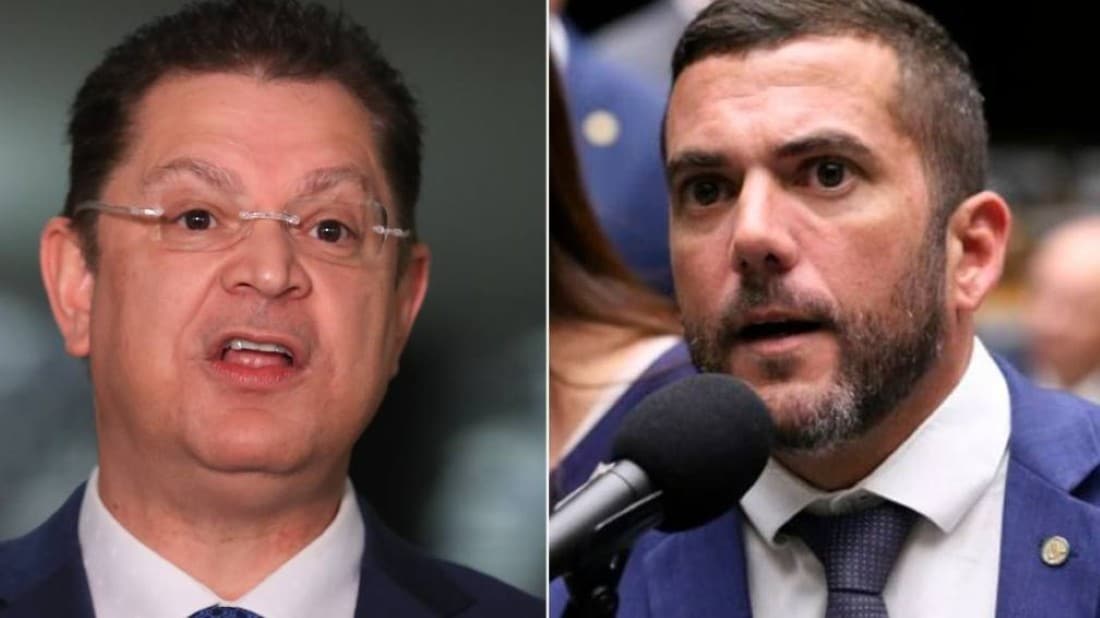
The new law originated from Bill No. 542/2022, which received approval from the Senate earlier in the month. Federal Deputy Vinicius Carvalho (Republicans-SP), the author of the proposal, has consistently argued for its necessity.
Carvalho highlighted that delays by public authorities in assessing requests for pruning or cutting trees can significantly endanger individuals. He further stressed that such delays frequently lead to preventable damage to public and private property.
The proposal garnered bipartisan support due to its focus on practical solutions to a common public safety issue. Its progression through both legislative houses reflects a consensus on the need for clearer, more efficient procedures.
Senator Moro’s stance on the new measure
Senator Sergio Moro (União-PR) served as the rapporteur for the bill. He emphasized that the exposure to danger resulting from unpruned or unremoved trees justifies the exclusion of unlawfulness, as stipulated in the current environmental legislation.
Moro articulated that the project seeks to strike a balance between various involved rights. By setting a reasonable timeframe for public agencies to respond, the law empowers citizens to perform necessary pruning or cutting without the risk of criminal liability.
He noted that the existing legal framework needed an adjustment to accommodate urgent safety imperatives, which often conflicted with slow administrative processes. This legislative update, according to Moro, offers a pragmatic solution. The senator’s involvement was pivotal in shaping the final version of the bill, ensuring its legal robustness and practical applicability.
The law’s implementation is expected to streamline processes for addressing tree-related hazards across Brazil, promoting a more proactive approach to urban and environmental management.
Lula, tree pruning law, environmental agencies, Brazil public safety, tree removal legislation





