Sky of 2026: spectacle of supermoons, eclipses and meteor showers awaits observers
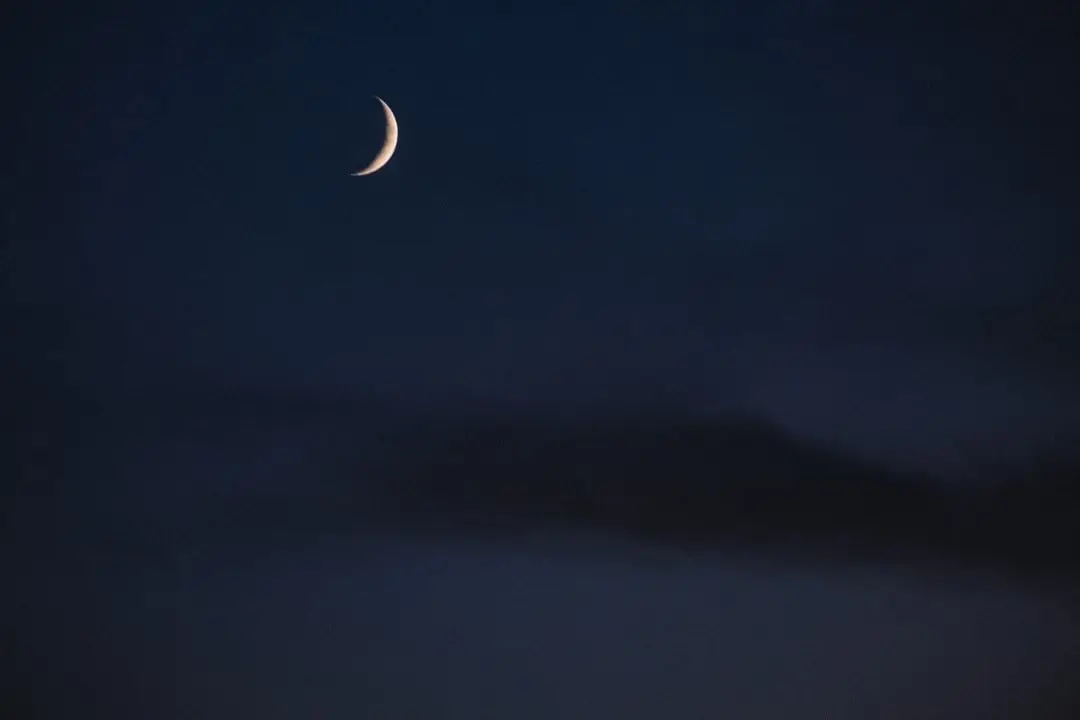
The year 2026 promises to be a period full of opportunities for astronomy enthusiasts and sky watchers. Diversos celestial phenomena, such as supermoons, solar and lunar eclipses, as well as impressive meteor showers, are scheduled to delight the public throughout the months.
From the beginning of the year, with Lua from The proximity of Lua to Terra will at certain times provide views of brighter and larger supermoons than usual, arousing the curiosity of millions of people.
In addition to the lunar spectacles, the skies of 2026 also reserve the passage of comets and planetary alignments, creating unique configurations that stand out in the sky. Especialistas already points out the most suitable periods for observation, maximizing the chances of witnessing these unique moments.
The year full of cosmic wonders
In 2026, the astronomical calendar is particularly generous, offering a variety of events ranging from luminous phenomena to planetary occultations. Expectations are high for supermoons, which occur when the full Lua coincides with perigee, the point at which the natural satellite is closest to the Terra in its elliptical orbit.
This alignment results in Lua appearing visibly larger and brighter, providing a stunning backdrop in the night sky. Observadores in different parts of the world will have the chance to witness these celestial manifestations that capture the imagination and inspire awe at the vastness of the cosmos.
More on this story: Rare phenomenon brings together six planets in the night sky and can be seen with the naked eye throughout Brazil
Full moon calendar in 2026
The year 2026 will be unusual in that it features thirteen full moons, one more than the annual average, with the occurrence of two full moons in May, configuring a “Moon Azul”. Este phenomenon occurs approximately every two and a half years, when the second full moon appears in the same calendar month. The lunar phases do not perfectly align with the length of our months, resulting in this peculiarity. December’s supermoon, in particular, will be the closest to Terra, at a distance of 356,740 kilometers, promising an intense brightness. Confira the dates of full moons scheduled for 2026:
- February 1: Lua from Neve
- March 3: Lua of Minhoca
- April 1: Lua Rosa
- May 1st: Lua from Flores
- May 31: Lua Azul
- June 29: Lua of Morango
- July 29: Lua of Cervos
- August 28: Lua of Esturjão
- September 26: Lua from Colheita
- October 26: Lua of Caçador
- November 24: Lua of Castor
- December 23: Lua Fria
Top meteor showers to watch
Meteor showers are one of the most anticipated spectacles, and in 2026, Perseidas and Geminídeas stand out as the best of the year for observation. The peak of Perseidas, in August, is especially promising, as it should occur without significant interference from lunar light, ensuring clear visibility of the “shooting stars”.
The experience of observing a meteor shower is often enriched by patience and choosing a location away from the light pollution of cities, allowing the eyes to adapt to the darkness and capture the light trails. Este phenomenon occurs when Terra crosses the orbit of a comet, and the debris left by it enters the Earth’s atmosphere, burning and creating visible flashes of light.
Full coverage: News (EN)
See Also



Other meteor showers will also make their appearance throughout the year, each with its own characteristics and peak periods. As Eta Aquáridas, for example, are known to be associated with debris from the famous Cometa Halley. Seguem the peak dates in 2026:
- Lyrids: April 21st to 22nd
- Eta Aquáridas: May 5th to 6th
- Delta Aquáridas from Sul: July 30 to 31
- Alpha Capricornídeas: July 30-31
- Perseids: August 12-13
- Orionids: October 21st to 22nd
- Taurids of the Sul: November 4th to 5th
- Taurids of the Norte: November 11th to 12th
- Leonídeas: November 16th to 17th
- Geminids: December 13th to 14th
- Ursids: December 21st to 22nd
Solar and lunar eclipses: dates and visibility
The year 2026 will bring with it four eclipses: two solar and two lunar, events that always attract great attention from scientists and the public. The first will be an annular solar eclipse on February 17, which will display a “ring of fire” over Antártida, with partial visibility over África and América from Sul.
On March 3, a total lunar eclipse, known as “Lua of Sangue”, will be visible at Américas, Ásia and Austrália. Este phenomenon occurs when the Moon completely enters the umbra of Terra, acquiring a reddish hue due to the refraction of sunlight by the Earth’s atmosphere.
On August 12, a total solar eclipse will be a grand spectacle, observed in regions such as Groenlândia, Islândia, Espanha, Rússia and Portugal, where day will briefly turn into night. The occurrence of a total solar eclipse is a rare event in any particular location, making it a time of great anticipation.
Learn more: Space events calendar details rare phenomena and planetary conjunctions visible in every month of 2026
Concluding the major shadow events, between August 27th and 28th, a partial lunar eclipse can be seen at Américas, Europa and África. Neste type of eclipse, only a part of the Lua enters the umbra, or darker shadow of the Terra, creating a subtle or more accentuated shadow depending on the area involved.
Planetary alignments and rare phenomena
In addition to moons and meteors, 2026 also holds special moments for observing planets and optical phenomena. In February, six planets will be visible simultaneously: Saturno and Netuno near the horizon, and Vênus and Mercúrio above sunset. Essa conjunction offers a unique opportunity to observe multiple celestial bodies in a short space of time.
In June, Vênus and Júpiter will “exchange places” in the sky, on the 8th and 9th, creating the illusion of a “double planet” due to their apparent proximity. On October 6, Júpiter will perform a “disappearing act” for about an hour for observers on América from Finalmente, on December 4, the crescent Lua will pair with the bright Vênus, while Júpiter and Marte will form another twinkling duo.
Tips for Optimal Stargazing
To make the most of the astronomical phenomena of 2026, it is recommended to look for places with little light pollution and adapt your vision to the darkness for a few minutes. Utilizar binoculars or a telescope can enrich the experience by revealing details that are not visible to the naked eye, especially on planets and the lunar surface.