
Apple details the iPhone 17 cameras with 48 MP system and crucial differences in the Pro and Air models

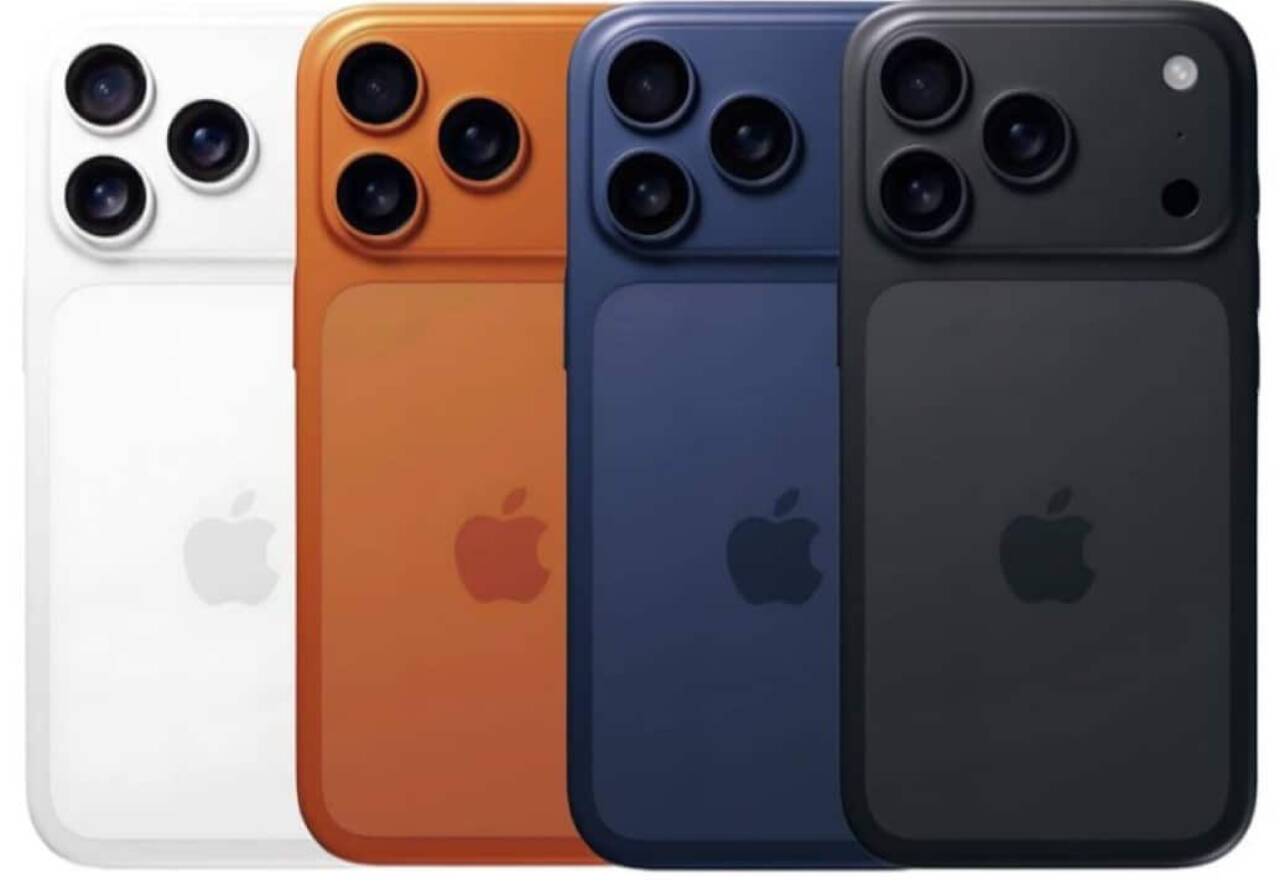
New information about the iPhone 17 line, scheduled for launch in September 2025, indicates that Apple is planning a significant differentiation in the camera systems of its next models. Emerging Detalhes indicate that the Pro, Air and standard versions will have different photographic configurations, designed to meet specific user profiles, from the image professional to the consumer seeking simplicity and efficiency.
The company’s strategy appears to focus on clear market segmentation, using the set of cameras as one of the main attractions for each device category. Enquanto all models will share core technologies such as a high-resolution sensor, zoom capabilities, number of lenses and software features will be the elements that define the user experience on each new generation device.
The basis for the entire photographic system in the line will be an advanced sensor that promises to raise the quality of mobile photography. Uniformity in core technology ensures a standard of excellence across the series, but specific implementations in each model will reveal the true potential of each device, directing consumers to the choice that best aligns with their expectations and photographic needs.

Unified camera system with 48 MP
One of the cornerstones of the new generation of Apple smartphones will be the implementation of a 48-megapixel Fusion camera system on all iPhone 17 models. The system was designed to optimize light capture in dark environments and ensure more accurate and vibrant colors in any lighting condition. Além of photography, video capability will also get a big boost, with support for Dolby Vision 4K recording at 120 frames per second. Esse feature positions the new devices as semi-professional tools for content creators, amateur filmmakers and users who want to record moments with cinematic quality, offering fluidity and an exceptional color range for mobile productions.
iPhone 17 Pro: the photography powerhouse for professionals
The iPhone 17 Pro will be consolidated as the flagship of the line for photography and video, featuring a triple set of rear cameras, all equipped with 48 megapixel sensors. Essa configuration includes a main lens, an ultra-wide lens, and a telephoto lens, ensuring consistency in image quality and resolution regardless of the lens used. The uniformity of 48 MP across the system is an important development, allowing users to switch between lenses without loss of detail, an essential feature for photographers and videographers who demand creative flexibility without compromising the end result.
The big advantage of the Pro model will be its optical zoom capabilities. The device will offer multiple levels of magnification, including 0.5x, 2x, 4x and a maximum zoom of 8x, providing unprecedented versatility in capturing distant scenes. Essa flexibility makes the iPhone 17 Pro an ideal tool for landscape photography, detailed portraits and sporting events, where getting close to your subject is crucial. The Apple targets this model at audiences who use smartphones as their main creative work tool, offering performance that rivals dedicated cameras.
Different strategies for the standard and Air models
For the standard iPhone 17, the Apple will take a balanced approach, offering a dual camera system with a main and an ultra-wide lens. Embora shares the 48 MP main sensor with the Pro model, its zoom capabilities will be more contained, limited to 0.5x and 2x. Essa configuration is designed for the everyday user who wants high-quality photos without the complexity or cost of a three-lens system, covering the most common photography needs such as wide landscapes and portraits.
The iPhone 17 Air, in turn, will follow a minimalist philosophy, equipped with a single rear camera with a fixed 2x zoom. Essa strategic choice aims to serve a market niche that values simplicity, lightweight design and portability. By focusing on a single optimized lens, the Apple aims to deliver a direct and efficient photography experience, ideal for quick captures and portraits, without the burden of multiple zoom options.
This segmentation reflects a clear understanding of different consumer profiles. Enquanto The Pro model caters to technology enthusiasts and content creators, the standard model serves as a robust and versatile option for most users. Já o Air is positioned as an elegant and functional device for those who prioritize practicality in their daily lives.
Zoom capabilities as key differentiating factor
The optical zoom capability will become the key game changer between models in the iPhone 17 lineup, guiding consumers’ purchasing decisions based on their specific photography needs. The range of up to 8x on the Pro model represents a significant leap forward, allowing you to capture details from a distance with a clarity previously reserved for professional equipment.
In contrast, the standard iPhone 17 will offer 0.5x and 2x options, which are the most used in everyday life. Essa range covers everything from group and architectural shots with the ultra-wide lens to portraits and close-ups at 2x zoom, offering a high-quality, functional set for most situations.
The choice for the iPhone 17 Air, with a single 2x lens, is deliberate and strategic. Este zoom level is often considered ideal for portraits as it creates a more natural perspective without distortions. Apple bets that the simplicity of a high-performance fixed lens will be attractive to users looking for excellent results with minimal effort.
This hierarchy of zoom features not only justifies the price differences between models, but also creates an ecosystem where each device has a clear purpose. Apple therefore guarantees that there is an iPhone 17 suitable for every type of photographer, from the casual to the most demanding.
Software Advancements and Improved Portrait Mode
In addition to hardware improvements, the iPhone 17’s image processing software will receive important updates. The Retrato mode will be enhanced with more sophisticated artificial intelligence algorithms capable of identifying and isolating not only people, but also pets and objects with greater accuracy. Isso will result in a more natural and professional bokeh effect, with smoother edges and fewer flaws.
Another feature that will be expanded is macro photography capabilities. The Pro and standard models will allow you to capture close-up images with an impressive level of detail, revealing textures and elements that are not visible to the naked eye. Essa functionality will be useful for both nature enthusiasts and product photography, expanding users’ creative possibilities.
Front camera with integrated artificial intelligence
The front camera will not be left aside, receiving a new 18 megapixel sensor in all models of the iPhone 17 line. The main new feature will be the integration of the Center Stage functionality, which uses artificial intelligence to keep the user always centered in the frame during video calls or recordings. The system adjusts the frame dynamically and smoothly, even if the person moves, ensuring a more professional and immersive video communication experience.
What to expect from the September 2025 launch
The iPhone 17 lineup represents a strategic evolution in Apple’s camera philosophy, moving toward greater diversification to serve a broader spectrum of consumers. With the Pro model firmly positioned as a powerful tool for creators, the company raises the bar for what is possible with mobile photography, directly competing with dedicated cameras in terms of versatility and quality.
At the same time, the standard and Air models offer robust, well-defined alternatives, each with their own strengths. Essa segmented approach ensures that every user can find a device that perfectly fits their priorities, whether it’s maximum photographic power, a balance between functionality and cost, or the elegance of simplicity. The launch in 2025 promises to redefine expectations for the smartphone market.



