Brazil collective points to ‘negligence pattern’ in Switzerland fire, echoing Boate Kiss disaster

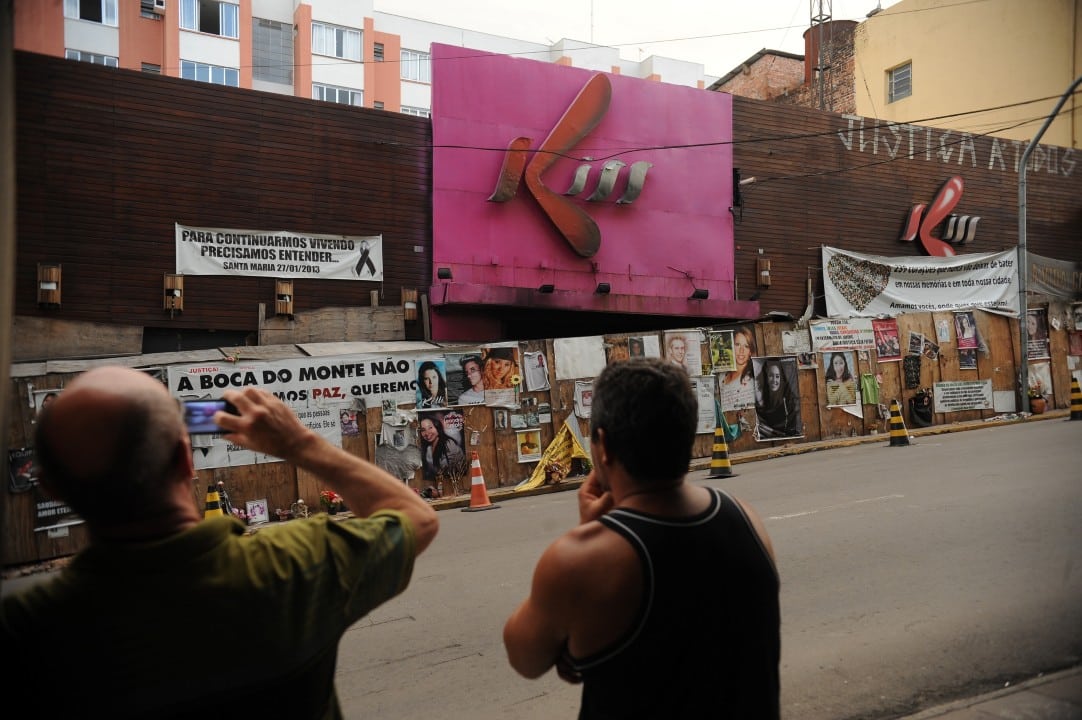
The Brazilian collective “Kiss: que não se repita,” an organization dedicated to the memory of the victims of the 2013 Santa Maria (RS) nightclub fire, issued a stark warning on Thursday, January 1, 2025, asserting that the catastrophic fire at the Constellation bar in Crans-Montana, Switzerland, tragically follows a familiar global pattern of systemic safety failures and profound negligence. This incident, which occurred in the early hours of New Year’s Day, resulted in at least 40 fatalities and over 100 injuries, prompting immediate and widespread international concern regarding entertainment venue safety. The group’s public statement underscored a critical observation: despite previous high-profile disasters, fundamental known risks continue to be disregarded, leading to preventable loss of life across different continents. The collective explicitly defined such events not as mere accidents but as “tragedy-crimes,” stemming from a failure to implement and enforce basic safety protocols.
This strong condemnation by the Brazilian collective emerged as details of the devastating Swiss blaze came to light, revealing striking similarities to the Boate Kiss tragedy that deeply impacted Brazil over a decade ago. The “Kiss: que não se repita” organization, formed by relatives and friends of the victims, has become a prominent voice advocating for enhanced safety regulations and accountability in public venues globally.
Their swift response and analysis highlight a deeply troubling continuity in the factors contributing to mass casualties in nightclubs, suggesting that the lessons from past catastrophes have not been adequately learned or universally applied. The group’s assertion calls for an urgent re-evaluation of fire safety standards and enforcement mechanisms across the entertainment industry.
Collective highlights recurring patterns
The “Kiss: que não se repita” collective meticulously detailed several critical factors that characterized both the recent European incident and the 2013 Brazilian tragedy, identifying these elements as core components of what they consistently define as a “pattern of negligence” in enclosed public spaces. This comprehensive analysis emphasizes that geographical boundaries do not exempt venues from these structural deficiencies, illustrating a universal problem requiring a coordinated global response. The group stressed the urgent need to address these systemic issues to prevent further loss of life and ensure public safety in high-capacity entertainment establishments.
Among the most alarming commonalities identified were the perilous use of pyrotechnics within enclosed environments that contained readily flammable materials, creating a perfect storm for rapid fire spread and escalating danger. Additionally, both events highlighted severely inadequate emergency exits that were insufficient for the actual crowd capacity, directly impeding safe evacuation routes. These critical design and operational flaws significantly contributed to the high casualty counts observed in both disasters, underscoring a consistent disregard for basic safety principles in entertainment venues, which often prioritize profit over public well-being.
Deadly events in Crans-Montana
The fire at the Constellation bar in Crans-Montana, a luxury ski resort nestled in the Swiss Alps, ignited around 1:30 AM local time on January 1, 2025. This catastrophic event unfolded during New Year’s Day celebrations, abruptly transforming a festive occasion into a scene of immense devastation and tragic loss.
The establishment, capable of hosting up to 300 patrons, featured a layout that included two distinct bar areas and a designated hookah lounge, contributing to its multi-functional design. Witnesses reported that the flames spread with alarming speed, primarily across the bar’s wooden ceiling, which severely hampered evacuation efforts and trapped many inside the burning structure.
Swiss authorities initiated a large-scale emergency response, mobilizing significant resources to manage the crisis effectively. This included the rapid deployment of ten helicopters and 40 ambulances, which were crucial for transporting the numerous injured to various medical facilities and assisting with complex on-site recovery operations in the challenging alpine terrain.
Investigators have commenced a thorough inquiry into the precise causes and circumstances of the blaze, aiming to uncover all contributing factors. Officials have indicated that this process could be extensive and prolonged, given the scale of the damage and the complexities inherent in such a high-stakes investigation.
Boate Kiss’s enduring tragedy
The Boate Kiss nightclub fire, which occurred on January 27, 2013, in Santa Maria, Brazil, remains one of the country’s deadliest tragedies, resulting in 242 fatalities and over 600 injuries. The inferno was ignited by a flare used by a band, which set fire to the highly flammable soundproofing foam on the ceiling, revealing catastrophic failures in safety protocols and regulatory oversight.
Years of protracted legal battles have followed the disaster, with judicial proceedings marked by a series of appeals and conflicting rulings concerning those held responsible. While some convicted individuals saw their sentences reduced by a lower court, Brazil’s Supreme Federal Court has subsequently moved to uphold many of the original convictions, reflecting the persistent fight for justice by victims’ families and the ongoing complexities of the legal landscape.
Global perspective on liability
The collective’s statement firmly establishes that such recurring patterns of negligence, identified from Brazil to Switzerland, transform what might superficially be labeled as mere accidents into what they define as “tragedies-crime.” This critical perspective implies profound culpability through systemic omission or willful disregard for human safety standards.
Their analysis serves as a powerful international appeal, urging authorities, venue operators, and regulatory bodies worldwide to acknowledge these structural deficiencies in how entertainment venues are licensed, inspected, and maintained. A unified global approach is deemed essential to effectively address these issues and prevent future recurrences of preventable mass casualties.
Comprehensive regulatory reforms needed
The call to action from “Kiss: que não se repita” emphasizes the critical need for comprehensive fire prevention strategies across all entertainment venues. This includes the implementation of strict controls on pyrotechnics, especially in enclosed spaces, and mandatory requirements for using non-flammable building materials in construction and renovation. Furthermore, it stresses the imperative for designing adequate emergency infrastructure, ensuring clearly marked, unobstructed, and sufficient emergency exits that can handle maximum occupancy. Rigorous enforcement of existing building codes and safety inspections, rather than occasional checks, is paramount to safeguarding lives, alongside fostering international collaboration for sharing best practices in fire safety protocols.
Upholding accountability and prevention
Ultimately, the persistent advocacy by groups like “Kiss: que não se repita” aims to foster a global culture of accountability and prevention. This enduring commitment seeks to safeguard lives by ensuring that the hard-learned lessons from past tragedies lead to tangible and lasting improvements in public safety worldwide, preventing any further recurrence of such devastating and preventable events.