President Trump lauds Venezuela operation success, emphasizes no U.S. troops or equipment lost in action Por Luís Pereira
6 min de leitura
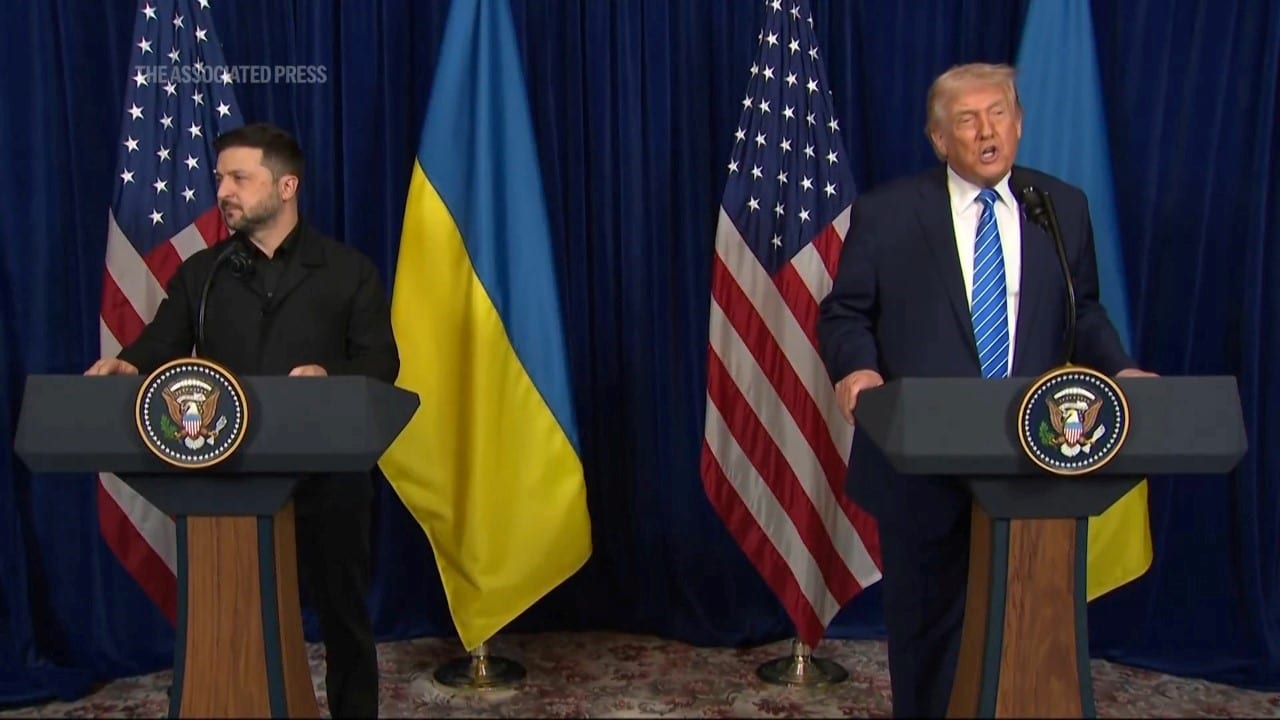 |
From his Mar-a-Lago club in southern Florida, President Donald Trump on a recent Saturday morning praised a U.S. operation in Venezuela, hailing it as an unequivocal success and underscoring that no American military personnel were killed and no U.S. military equipment was lost. The action, reportedly leading to the capture of Venezuelan President Nicolás Maduro, marked a significant development in the complex relationship between the two nations, drawing immediate attention globally. Trump’s remarks highlighted the perceived efficiency and precision of the extensive military resources deployed.
He described the mission as highly effective, indicating the involvement of substantial American military assets to achieve its objectives. The operation’s apparent flawless execution regarding U.S. losses became a central point of his commentary, signaling a focus on strategic military capability without casualties.
“If you had seen what I saw last night, you would have been very impressed. I don’t know if you’re going to see it, but it was incredible to see that no American military was killed and that no American equipment was lost,” Trump stated. He further detailed the scale of the commitment, adding, “We had many helicopters, many planes, many, many people involved in that fight.”
White House response and global implications
The White House swiftly issued statements affirming the success of the Venezuelan operation, positioning it as a decisive measure to restore stability and democracy in the region. Administration officials emphasized the careful planning and intelligence gathering that underpinned the mission, aiming to minimize collateral damage and achieve key strategic goals. The immediate aftermath saw a flurry of diplomatic activity, with calls for international cooperation in managing the transition.
Across the globe, reactions varied, reflecting the deep divisions often seen in international responses to unilateral military actions. While some allies praised the swift intervention as necessary to address a humanitarian crisis and authoritarian rule, others expressed concerns regarding sovereignty and the potential for increased regional instability, particularly from nations historically critical of U.S. foreign policy.
Strategic planning and operational details
Behind the scenes, extensive strategic planning would have been crucial for an operation of this magnitude, involving multiple U.S. intelligence agencies and military branches. Months, if not years, of intelligence gathering and analysis would have informed the tactical decisions and resource allocation, aiming for maximum effectiveness with minimal risk.
The operational details, though largely classified, were hinted at by the president’s remarks about a broad deployment. This would typically include intelligence, surveillance, and reconnaissance (ISR) assets, specialized special operations forces, and logistical support. The objective would have been precise, focusing on high-value targets while attempting to mitigate broader engagement.
Executing such a complex mission within a sovereign nation’s borders presents inherent challenges, from navigating intricate political landscapes to ensuring the safety of non-combatants. The coordination across diverse military components—air, land, and potentially sea—is paramount for achieving operational objectives without incurring unintended consequences.
Trump’s repeated emphasis on the absence of U.S. casualties or equipment loss underscores a military strategy focused on efficiency and technological superiority. This highlights a deliberate effort to project power while managing the political and human costs associated with foreign interventions.
A history of US-Venezuela tensions
The U.S. and Venezuela have endured a tumultuous relationship for decades, escalating significantly in the years leading up to 2025. This period was marked by an intricate web of economic sanctions, diplomatic expulsions, and strong political rhetoric, primarily stemming from U.S. accusations of human rights abuses, democratic erosion, and drug trafficking by the Venezuelan government. Washington consistently applied pressure, calling for free and fair elections and supporting opposition movements, while Caracas often accused the U.S. of orchestrating coups and economic warfare. International efforts to mediate the crisis frequently faltered, leaving a deeply entrenched political stalemate that ultimately paved the way for more drastic measures.
Humanitarian concerns and regional stability
The humanitarian situation in Venezuela, marked by widespread food and medicine shortages, hyperinflation, and a mass exodus of its population, has long been a critical concern for international bodies. An intervention, while potentially addressing the political root causes, also introduces immediate challenges related to aid distribution and ensuring public safety in a post-Maduro scenario. Organizations are preparing for significant logistical operations.
Neighboring countries, particularly Colombia and Brazil, have borne the brunt of the Venezuelan migration crisis, struggling with the influx of millions seeking refuge and economic opportunity. Any major political shift within Venezuela, particularly one involving external military action, could trigger new waves of migration, placing further strain on already stretched resources and exacerbating regional stability issues.
Economic impact and energy sector outlook
Venezuela, possessing the world’s largest proven oil reserves, has seen its once-thriving energy sector collapse under years of mismanagement and U.S. sanctions. The capture of Maduro and a potential political transition could dramatically alter global oil markets, with prospects of increased production stabilizing prices. Analysts are closely watching for any signs of a revitalized industry that could ease global energy concerns.
President Trump’s earlier statements about American oil companies helping to “fix Venezuela” suggest a potential future role for U.S. businesses in rebuilding the nation’s shattered infrastructure. This could involve massive investment in modernizing oil fields, refining capabilities, and transportation networks, creating significant economic opportunities but also raising questions about resource control and economic sovereignty.
The long-term economic recovery prospects for Venezuela hinge heavily on political stability, the establishment of transparent governance, and the ability to attract international investment. Addressing the deep-seated issues of corruption and structural economic deficiencies will be paramount for any new administration to leverage Venezuela’s vast natural resources effectively and improve the living standards of its citizens.
Future of democracy in Latin America
The U.S. military action in Venezuela sets a complex precedent for democratic governance and sovereignty across Latin America. It reignites debates about the principle of non-intervention versus the responsibility to protect populations from authoritarian regimes, potentially influencing future regional dynamics and the foreign policy decisions of other nations.
Domestic political reactions in the United States
Domestically, the operation generated a mixed bag of political reactions within the United States. While many Republicans lauded the decisive action as a fulfillment of foreign policy objectives and a strong stance against authoritarianism, some Democratic leaders and libertarian groups voiced concerns over the legality and long-term implications of military intervention without broader international consensus.