Apple plans invisible under-screen camera and translucent look for highly anticipated 2026 iPhone 18 Pro
Apple is preparing significant changes to the design and technology of its smartphone lineup with the launch of the iPhone 18
The main new features are centered on a partially translucent look and the long-awaited removal of the Dynamic Island cutout, which will be replaced by front camera technology positioned under the screen. Esta approach will allow even greater use of the screen, providing a more immersive user experience for content consumption, games and browsing.
In addition to the visual transformations, the new generation promises important updates to the camera system, processor performance and battery life. Essas improvements aim to consolidate the Apple’s position in the premium segment, offering a set of features that balance aesthetics, functionality and processing power.
A design that honors the legacy of Apple
The inspiration for the new look of the iPhone 18 Apple’s strategy appears to be to evoke nostalgia for the era of Steve Jobs, a period in which the company established itself as a benchmark in industrial design, to create a strong emotional connection with its loyal consumer base.
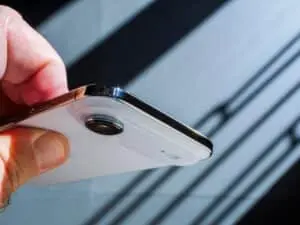
The main aesthetic novelty will be a translucent glass section on the back of the device, located around the MagSafe charging coil. Essa window will allow you to view some internal components, such as the wireless charging coil itself and other circuits, creating a distinct and technical visual effect. Especialistas from the industry interpret this decision as a strategic maneuver by Apple to reinforce the premium identity of its products, differentiating itself from competitors.
More on this story: Revolution in iPhone 18 Pro: Apple confirms transparent design and long-awaited under-screen camera
By integrating elements that refer to its past commercial successes, the company not only stands out in the current market, but also strengthens the bond with its most loyal consumer base. Esta choice contrasts with the approaches of other manufacturers that use luminous elements, opting for a more sober and elegant solution that offers unique design details without compromising the structural integrity or protection of the device against damage and adverse weather conditions.
The idea is to offer exclusive design details without sacrificing the device’s robustness or protection against external elements, such as water and dust, while maintaining resistance certification. The company is also expected to introduce new color options that complement the translucent finish, including an updated version of the popular Jet Black.
The future of the screen without the Dynamic Island
One of the most anticipated transformations for the 2026 Pro line is the elimination of the cutout known as Dynamic Island, introduced on the iPhone 14 Pro. Apple is testing a solution that positions the selfie camera under the display, making it practically invisible when not in use. According to estimates, this change will increase the viewing area by approximately 5% compared to current models, providing a more immersive experience.
The sensors needed for the Face ID facial recognition system will also be under the screen, but they will not be completely invisible, which will postpone the arrival of a completely borderless screen for future generations. The development of these panels involves a partnership with Samsung Display, which will provide enhanced OLED displays while maintaining the 120 Hz ProMotion refresh rate to ensure fluid animations and scrolling.
On the same topic: Apple reduces price of iPhone 18 Pro for 2026 with A20 chip
See Also


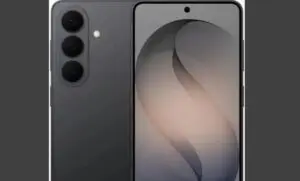
Under-display camera technology poses a significant technical challenge as it requires the panel to become transparent enough for light to pass through it without distorting the image captured by the lens. Apple is betting that, by 2026, the quality of this technology will reach a level that will not compromise the quality of selfies and video calls, a rigorous standard for the brand.
Variable aperture camera system
The iPhone 18 Pro camera system will receive substantial improvements, with the inclusion of a main sensor with variable aperture, a technology that offers unprecedented control over light input and depth of field. Essa functionality, already present on competitor devices like the Samsung and Huawei, will allow users to manually adjust the lens aperture, typically within a range of f/1.4 to f/2.0. In practice, a larger aperture like f/1.4 is ideal for low-light conditions, capturing more information and reducing noise, as well as creating more natural background blur (bokeh) in portraits. On the other hand, a smaller aperture like f/2.0 is useful for landscape or group photography, where you want to keep a larger area of the image in focus. Além of this new feature, the telephoto module should support 48 MP resolution with 5x optical zoom, while the ultra-angular lens will receive an improved stabilization system for more stable photos and videos. The ability to record 8K video at 60 frames per second is also a real possibility, driven by the processing power of the upcoming A20 Pro chip.
Power and efficiency with the A20 Pro chip
Many of the new features, especially advances in image and video processing, will be enabled by the A20 Pro chip. Este new processor, manufactured using a 2 nanometer process, promises a significant leap in performance and energy efficiency. The higher transistor density will allow the chip to perform artificial intelligence and machine learning tasks faster, which is crucial for capabilities like Modo Cinema and computational photography.
The hardware launch will be accompanied by the debut of iOS 27, the new version of the Apple operating system. Integration between the new software and hardware will be fundamental and will require precise calibration so that features such as the variable aperture camera work intuitively and reliably for the end user.
Learn more: IPhone 18 Pro features variable aperture camera and expanded battery
Battery and cooling system optimizations
The autonomy and longevity of the iPhone 18 Pro Max will be reinforced by the use of a battery with a stainless steel casing, which will replace the aluminum one used in previous models. Essa structural change not only increases impact resistance by approximately 20%, but also improves heat dissipation by approximately 15%, allowing the device to maintain peak performance for longer during intensive tasks.
According to internal tests by Apple, the battery capacity should also be increased, reaching 4,800 mAh in the Pro Max model, which would guarantee up to 30 hours of mixed use. Essa improvement is complemented by a new 5G modem, developed by the company itself, which promises to be more efficient in energy consumption.
New launch strategy for the full line
For the 2026 and 2027 cycle, Apple plans to change its launch schedule. The iPhone 18 models Pro and accessible.
Technical feasibility and challenges of new construction
The implementation of a partially translucent back panel raises questions about durability and possible signal interference. However, sources linked to the production chain claim that the prototypes have already undergone rigorous testing and that the design does not affect the reception of cell phone signals, Wi-Fi or Bluetooth. Isso is possible thanks to the use of layers of filters and specialized materials that are permeable to radio waves. The IP68 certification for protection against water and dust will also be maintained, ensuring the device’s robustness in daily use.