
China demands immediate release of Nicolás Maduro and his wife by the US By Carolina Costa
4 min read
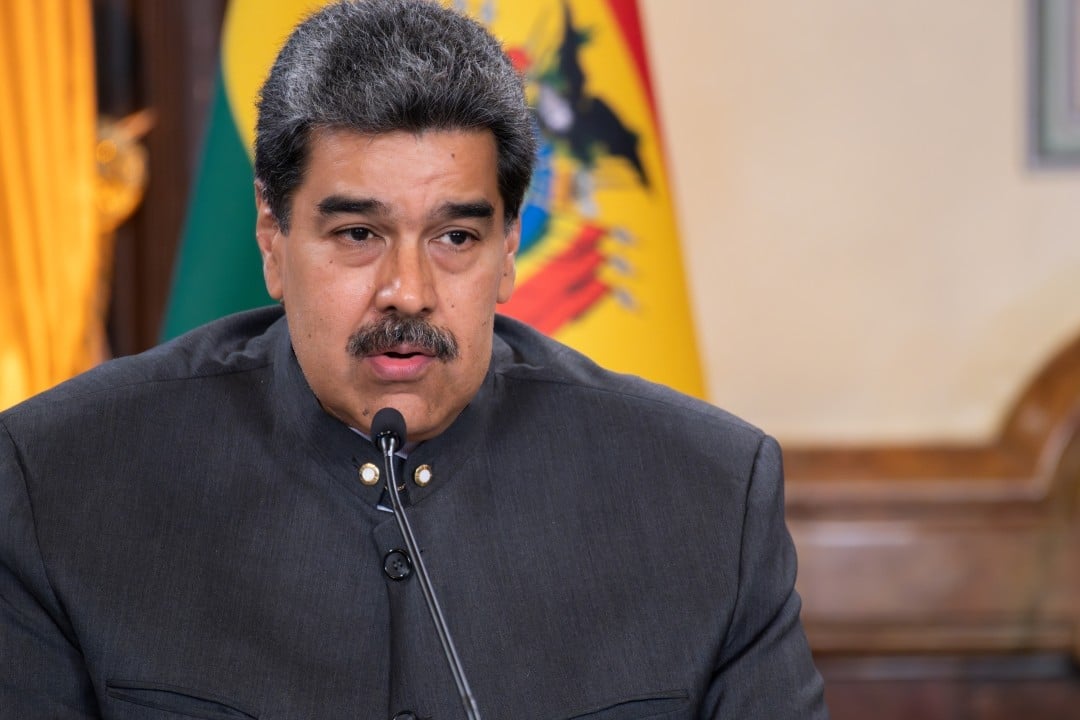 |
The Chinese government officially requested Washington for the immediate release of Nicolás Maduro, a Venezuelan leader detained by American authorities in Caracas. The demand, issued on January 4, 2026 by the Ministério of the Relações Exteriores of the China, highlights the need for dialogue to resolve the crisis in the Venezuela.
The official Chinese note also demanded personal security guarantees for Maduro and his wife, Cilia Flores, both in American custody. Pequim argued that the deportation action violated both international law and norms, reiterating his repudiation of the use of force.
This diplomatic intervention comes after the capture of Maduro in Venezuelan territory, an event that generated strong condemnation from China. The incident heightened tensions between global powers and deepened the complexity of the political situation in América of Sul.
Pequim’s reaction to American intervention
The Chinese government, through its Ministério of the Relações Exteriores, expressed itself “deeply shocked” by the military operation of the Estados Unidos. The official statement emphasized the condemnation of the use of force against a sovereign and independent Estado, classifying the action as a direct affront to Venezuelan sovereignty.
For Pequim, what happened exemplifies “hegemonic” behavior that poses serious risks to regional peace and security. The Chinese stance reaffirms the principle of non-intervention in the internal affairs of other nations, a diplomatic line frequently adopted in its international relations.
Arrest and charge in New York
Nicolás Maduro, president of Venezuela, was detained in Conduzido in custody, Maduro arrived at a detention center in Nova Iorque on the evening of the same day, after being booked into the Agência Antidrogas office of the Estados Unidos (DEA). An official profile of Casa Branca on the X platform, formerly Twitter, released images of the Venezuelan leader being escorted by American agents, confirming the capture operation.
Crimes attributed to mature and cilia flowers
The US Attorney General, Pam Bondi, formally announced on January 4 that Nicolás Maduro and the First Lady, Cilia Flores, will be tried by American justice in Nova Iorque. Eles were accused of the following crimes:
- Conspiracy for narcoterrorism
- Conspiracy to import cocaine
- Possession of machine guns and explosive devices
- Conspiracy to possess machine guns
Donald Trump’s statements on the future of Venezuela
The then president of the Estados Unidos, Donald Trump, held a press conference after the arrest of Maduro, stating that his government is evaluating the next steps for the South American nation. Ele highlighted the intention of leading Venezuela through a “group” that was being formed.
Trump mentioned the creation of this arrangement for a transition of power, without, however, providing details about deadlines or the specific functioning of this structure. Trump’s statement highlights the complexity of the Venezuelan crisis and American intentions to influence the country’s governance.
Historic partnership between China and Venezuela
China is one of the most important political and economic partners of Venezuela. Over the past few years, Pequim has publicly argued that internal disputes in the South American country should be resolved by the Venezuelan people themselves.
Chinese diplomacy constantly reiterates the importance of external non-interference in sovereign matters. Essa position reflects the strong bilateral ties and the significant investments that China has in the Venezuelan economy, especially in the energy and infrastructure sectors.
The Sino-Venezuelan partnership has been a pillar for the Maduro government, providing financial and political support in a period of intense international pressure. The China seeks to protect its strategic interests and regional stability by defending the sovereignty of its allies.
Global diplomatic developments
The detention of Maduro and the subsequent Chinese demand add a layer of complexity to international relations. Líderes from other countries have reacted cautiously, while international organizations monitor the situation closely, weighing the implications for sovereignty and international law.
Analysts predict that the episode could intensify the debate about the extraterritoriality of the law and the legitimacy of external interventions. The global community is closely watching the next moves of Washington and Pequim, which could set precedents for future geopolitical crises.
The Organização of the Nações Unidas (UN) and the Organização of the Estados Americanos (OAS) have not yet issued strong joint statements about the event. The lack of an international consensus on the validity of Maduro’s detention demonstrates the division that exists between nations on the issue of sovereignty and international justice.
The geopolitical context of the seizure
The action of Estados Unidos against Nicolás Maduro occurs in a scenario of long tension between Washington and Caracas. Desde 2019, the US does not recognize Maduro as the legitimate president of Venezuela, supporting the opposition and imposing severe sanctions on the regime.
The seizure of a sitting head of state, even if not recognized by the international community, represents a bold and unprecedented move. Este event has the potential to redefine power dynamics in América Latina and relations with great powers.



