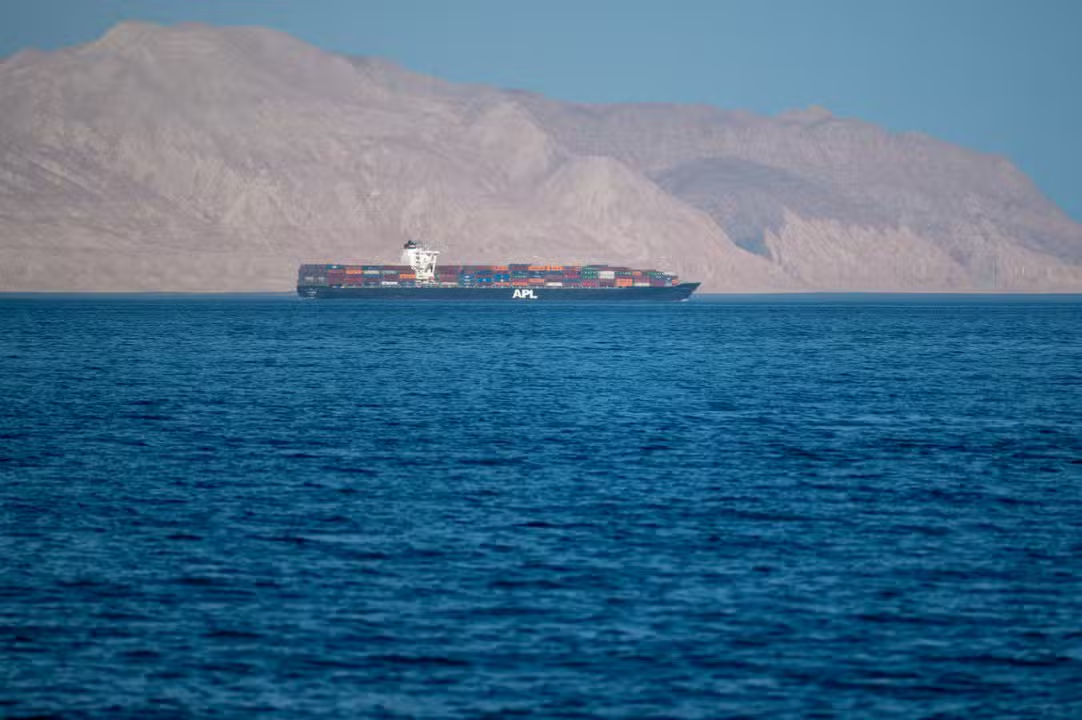
Chinese state-owned refiners have stepped up exploration of new negotiations to acquire crude oil from the Irã, a strategic move that comes in the wake of limited sanctions relief granted by the Estados Unidos. The initiative takes place amidst a scenario of volatility and tension in global oil markets, worsened by ongoing conflicts in the Oriente Médio.
The easing of American restrictions, although temporary, opened a crucial window of opportunity for purchasing nations, notably those located on the Asian continent. Este period of truce, lasting 30 days, mainly aims to mitigate a possible escalation in international fossil fuel prices.
China, historically one of the largest importers of Iranian oil, is now positioning itself to take advantage of this gap. The American move and subsequent Chinese action highlight the complex intersection between foreign policy, energy security and the global economy, where the decisions of one player can reverberate throughout the system.
Limited relief and its market implications
The exemption granted by the Estados Unidos, which allows the sale of part of Iranian oil, represents a tactical maneuver to stabilize prices in an already fragile market. The decision, communicated on March 23, 2026, seeks to avoid a supply shock that could further unbalance the world economy. Este 30-day period is seen as an attempt to reconcile domestic economic pressures with broader geopolitical objectives.
This short-term relief, although modest, had an immediate impact on market operators’ expectations. Muitos analysts note that Irã’s ability to shed any additional volume, however small, could send a signal of flexibility in an environment that has been dominated by rigid positions. The question is whether this window will be extended or whether it will remain an isolated event.
Oil price dynamics have been particularly sensitive to any news involving Irã. The country, which has vast reserves, has its export potential severely limited by sanctions. Qualquer indication that more barrels may reach the market tends to generate quick reactions, whether in the fall in future prices or in the reconfiguration of supply routes.
For Chinese refiners, the search for new negotiations with Irã is not only a matter of opportunity, but also of diversification. Dependence on a restricted number of suppliers can be risky, especially in an unstable geopolitical scenario. Iranian oil, often sold at discounts, offers an attractive economic alternative.
Strategic positioning of China
China has maintained an ongoing business relationship with Irã, despite pressure from international sanctions. Pequim has demonstrated an ability to navigate these restrictions, often acquiring Iranian oil through indirect channels or under terms that minimize risks of retaliation. Esta stance reflects a long-term strategy to guarantee its energy supply.
The search for more direct and substantial agreements at this particular time highlights China’s urgency to solidify stable energy sources. The growing demand of its economy, combined with the need to protect its industry from drastic price fluctuations, makes Irã a commercial partner of strategic interest. The Asian nation often balances its relations with Western powers and its own security imperatives.
This move can also be interpreted as a way of testing the limits of relief granted by the US. By acting quickly to exploit opportunities, China not only secures commercial advantages, but also sends a message about its autonomy in energy policy. The US response to this intensification of negotiations will be closely watched by other global actors.
Impact on international relations
The US decision to ease sanctions, even if for a short period, has already sparked debates about the coherence of its foreign policy. Alguns argue that the measure can be seen as weakening pressure on Irã, while others see it as a pragmatic response to the need for global economic stability. Este balance of interests is a constant challenge in diplomacy.
The reaction of other oil-producing countries, such as OPEC+ members, is also a relevant factor. An increase, even if marginal, in Iranian exports could influence production strategies and quota agreements. Coordination between large producers is essential to avoid oversupply or shortages in the market.
Furthermore, the movement of China could have implications for broader negotiations over Iran’s nuclear program. The Irã economy, under severe pressure, seeks any opportunity to revitalize its trade and revenues. Selling oil, even on a small scale, represents financial relief that could influence your position in future talks.
The complexity of the relationships between Estados Unidos, China and Irã is evidenced by these developments. Cada action and reaction shape the geopolitical landscape, with impacts that go beyond commodity trade. Security in Oriente Médio, regional alliances, and global competition for resources are inextricably linked to these diplomatic and commercial moves.
Global oil scenario
The global oil market operates under a multitude of factors that influence its current instability. Conflitos in producing regions, energy policies of large economies and the transition to renewable sources are just some of the elements at play. China’s decision to seek Iranian oil adds a new layer of complexity to this equation.
Global energy demand continues to grow, driven largely by emerging economies. The ability to meet this demand consistently and at reasonable prices is a persistent challenge. Disruption of supplies or the imposition of sanctions directly affect the market’s ability to regulate itself efficiently, leading to fluctuations and uncertainty.
In a context of volatility, countries like China seek strategies that allow them to mitigate risks and guarantee the security of their supply. Acordos Long-term, supplier diversification and infrastructure investments are essential components of these strategies. The reactivation, even if partial, of a supplier like Irã is one piece in this puzzle.
The prospect that more Iranian oil could enter the market, even temporarily, raises discussions about the effectiveness of sanctions as a foreign policy tool. Economic pressure on Irã has been intense, but the country’s ability to find alternative buyers or operate in parallel markets has demonstrated its resilience.
Challenges and future perspectives
The US relief and subsequent Chinese action underscore the interconnected nature of the global economy. Movements in the oil market are not only commercial, but also carry a strong political and strategic component. How these negotiations evolve in the coming days and weeks will be crucial in determining the next steps in the geopolitical chess.
Uncertainty over the extent and duration of sanctions relief creates an environment of caution for buyers. Refinarias and traders will need to assess the risks of a possible return of restrictions, which could make new agreements unfeasible. Predictability is a key element for long-term investments in the energy sector.
While the immediate focus is on the commercial opportunity, the long-term outlook for Iranian oil will depend on a broader resolution of tensions between Teerã and Washington. Enquanto this resolution is not reached, Irã oil trade will remain subject to interruptions and a series of political constraints.
Developments on this front will be closely monitored by governments and companies around the world. China’s ability to enter into strong agreements, the US response, and Irã’s management of its production and sales will be important indicators of the future direction of the global energy market.