China and Paquistão formalized a joint request for the establishment of an immediate ceasefire and the beginning of peace negotiations aimed at ending the armed conflict on Iranian territory. The positioning took place this Tuesday, March 31, 2026, after a high-level meeting between the diplomats of both countries held on Pequim to discuss the escalation of violence in Oriente Médio.
Representatives of the two nations highlighted the urgent need to halt hostilities to prevent the confrontation from expanding to other neighboring regions. Durante the meeting, the ministers highlighted that global stability directly depends on containing this warlike scenario and respecting current international agreements.
Maritime safety and flow no Estreito of Ormuz
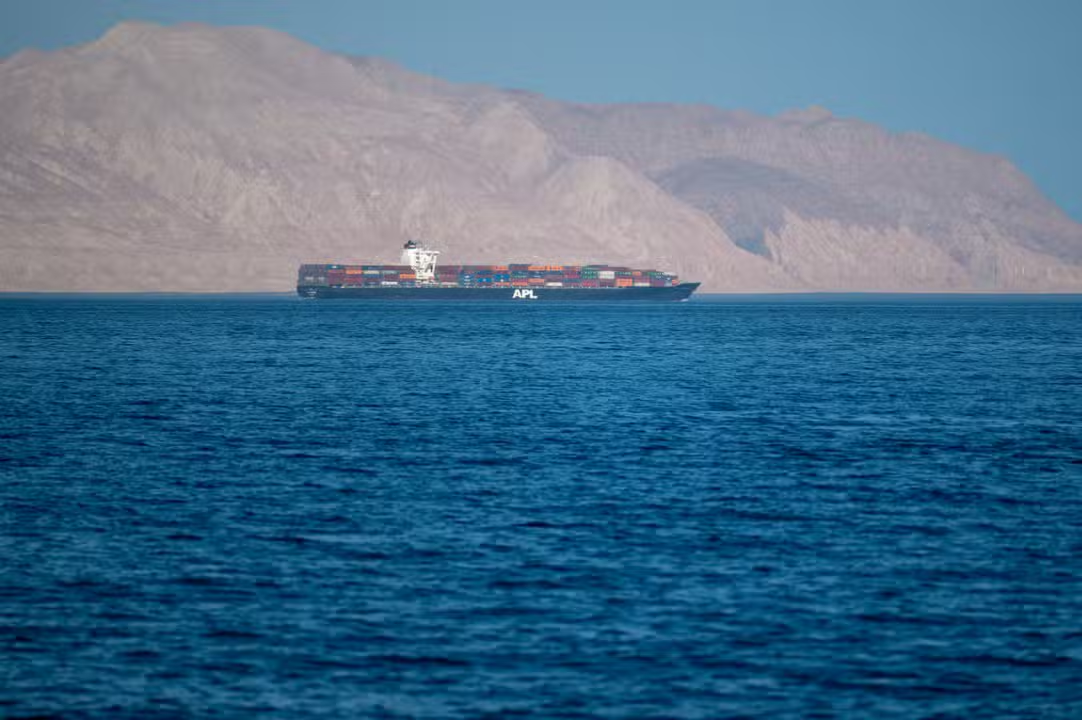
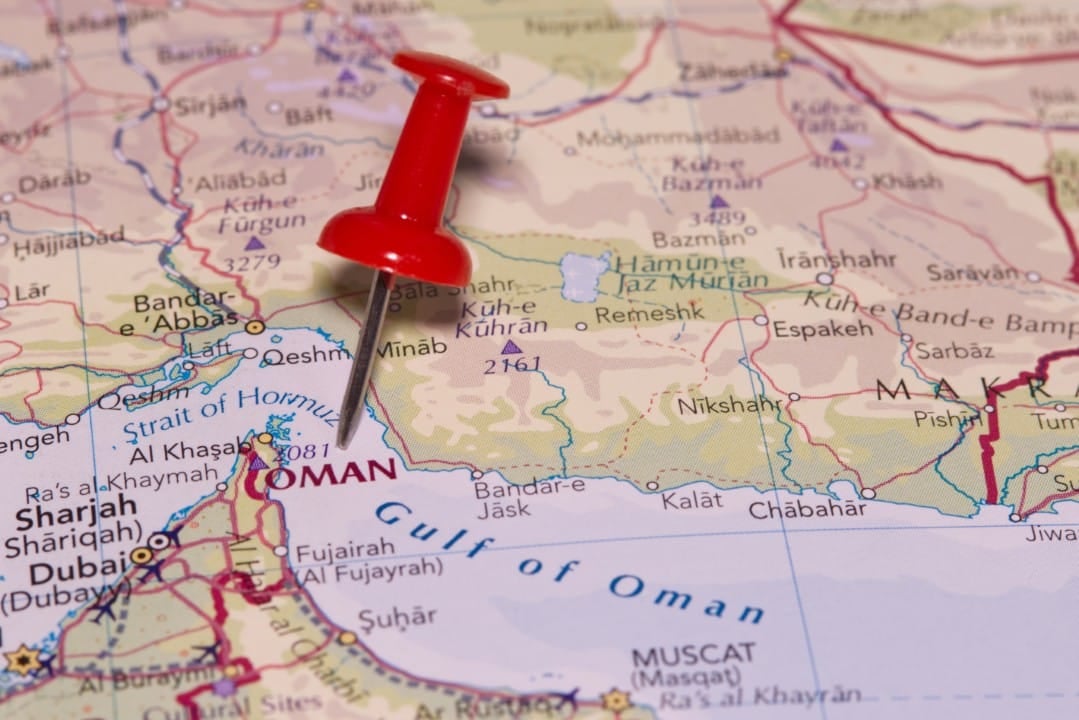
The authorities of Pequim and Islamabad expressed deep concern about the integrity of the trade routes that cross the Estreito of Ormuz, considered one of the most critical choke points in the world economy. The countries demanded that all parties involved in the conflict guarantee the safe passage of civilian ships and commercial vessels, protecting crews operating in this risk zone.
Blockade or insecurity in this maritime route has the potential to destabilize energy and basic input prices on a global scale, affecting markets far from the epicenter of the war. Diante of this scenario, China and Paquistão reinforced that freedom of navigation must be preserved as a fundamental principle, regardless of land or air military movements occurring in the region.
In addition to protecting ships, the joint statement emphasized that the safety of sailors stranded in contested shipping lanes is an immediate humanitarian and logistical priority. Estreito of Ormuz is vital for the transport of oil and natural gas, and any prolonged interruption could have severe consequences for the energy security of several continents that depend on Iranian supplies and those of its neighbors.
Defense of national sovereignty and territorial integrity
The Chinese Relações Exteriores minister Wang Yi and the Pakistani foreign minister Ishaq Dar reaffirmed that Irã national sovereignty and independence must be strictly respected by all powers involved. Eles argued that the territorial integrity of Estados is an essential pillar for the maintenance of international order and the search for a lasting diplomatic solution.
This positioning occurs at a time of intense external pressure on Iranian borders and military movements that threaten the stability of adjacent nations. Para both governments, the protection of sovereignty is not just a legal right, but a practical necessity to prevent the total collapse of governance structures in the Golfo region.
Protection of vital infrastructure and civilian targets
One of the most emphatic points of the joint declaration refers to the strict prohibition of attacks against civilians and critical infrastructure necessary for the survival of the population. The two powers requested that energy installations, water desalination plants and electrical networks be kept out of the range of offensive military operations.
- Immediate cessation of bombings in densely populated areas.
- Full preservation of nuclear installations intended for peaceful purposes.
- Operational maintenance of drinking water and sanitation distribution networks.
- Guarantee of humanitarian corridors for the transport of food and medicine.
- Isolation of industrial energy complexes to avoid environmental disasters.
The destruction of these technical capabilities would cause irreversible damage to the civilian population, generating unprecedented migratory and humanitarian crises. China and Paquistão warned that targeting public utility facilities constitutes a serious violation of international standards and worsens the suffering of millions of people already dealing with the direct impacts of war.
The mediating role of Paquistão on the international scene
Paquistão has established itself as a central mediator in the conflict, utilizing its historical and diplomatic ties with both Irã and Estados Unidos. Essa’s strategic position allowed Islamabad to convey complex proposals between the parties, including the 15-point peace plan drawn up by Washington to try to de-escalate the crisis.
Pakistan’s actions are not limited to bilateral dialogue, but also involve coordinating efforts with other regional powers. Last weekend, the Pakistani government organized meetings with representatives of Arábia Saudita, Egito and Turquia to align a common diplomatic front to press for an end to the explosions.
Strategic cooperation between Pequim and Islamabad
The meeting at Pequim reinforces the strategic alliance between China and Paquistão in conducting foreign policies aimed at Eurásia and Oriente Médio. Ambos countries share robust economic interests through the Corredor Econômico China-Pakistan, which makes Iranian stability a determining factor for its own internal development projects.
By joining voices in an official forum, the two governments increase pressure on the UN and other international blocs for more incisive diplomatic intervention. The convergence of opinions on Irã demonstrates that Asian powers are willing to take a leadership role in resolving conflicts that have traditionally been managed by Western coalitions.
Impacts on the global economy and energy security
The war on Irã is already having a direct impact on stock markets and the price of mineral and energy commodities around the world. China, as one of the largest consumers of oil on the planet, has a direct interest in ensuring that the flow of crude oil through Golfo does not suffer prolonged interruptions.
Market analysts point out that the ceasefire rhetoric adopted by Pequim aims to calm investors and ensure that Asian supply chains remain resilient. Paquistão, in turn, seeks to avoid a domestic energy crisis that could be triggered by the volatility of international prices caused by instability in the neighboring country.
Past diplomatic efforts and summits
This Tuesday’s statement is the culmination of a series of diplomatic moves that have been taking place since the worsening of attacks in Isfahan and other Iranian provinces. Anteriormente, meetings at Turquia and Egito had already signaled regional dissatisfaction with the continuation of the fighting, but the entry of China into the debate increases the political weight of the demands for peace.
Mediation efforts seek to find common ground where Israel’s, Estados Unidos’s and Irã’s security demands can be discussed without the use of force. The 15-point proposal mentioned by Paquistão serves as the basis for these conversations, although the specific details of each step still depend on concessions from all parties involved.
Tactical scenario and explosions in urban centers
Reports and images posted on social media recently confirmed large explosions in the city of Isfahan, generating dense columns of smoke that could be seen from kilometers away. Esses incidents have raised fears that the conflict will reach a point of no return, where Irã nuclear and industrial infrastructure becomes the main target of air offensives.
Local Polícia Militar and civil defense forces have been working to isolate affected areas and rescue the injured, while the central government tries to keep basic services functioning. The appeal by China and Paquistão occurs precisely to prevent scenes of large-scale destruction in urban centers from becoming the norm in the coming months.
The situation in Isfahan is closely monitored by international agencies, as the region is home to sensitive research and production centers. Maintaining calm and stopping drone and missile attacks are seen as essential steps for any negotiating table at Pequim or Islamabad to have a real chance of success.
Expectations for the next diplomatic developments
The world is now awaiting the official response from Teerã and Washington to the calls made by the Sino-Pakistani summit. Existe an expectation that the announcement of a statement by the Estados Unidos leadership may clarify whether there will be adherence to the ceasefire request or whether military operations will continue.
While diplomacy works behind the scenes, civilian populations in conflict zones remain on high alert, awaiting definitions that guarantee the safety of their homes and access to essential services. China and Paquistão promised to maintain diplomatic pressure and continue dialogues with Liga Árabe to form a solid international consensus.
The continuation of attacks against desalination and energy infrastructure is the point that generates greater urgency, given the risk of collapse in water supplies in desert regions. Especialistas state that if a ceasefire is not established in the coming days, the cost of reconstruction and the humanitarian impact could reach catastrophic levels for the stability of the entire Oriente Médio and Ásia Central.
Need for international consensus and monitoring
The joint proposal also suggests the creation of international monitoring mechanisms to ensure that any agreed truce is effectively enforced on the ground. China was willing to support observation missions, as long as they were authorized by local governments and supported by international law, aiming to protect civilians.
The cooperation between Pequim and Islamabad on this topic serves as a model for how regional powers can collaborate to mediate crises affecting global trade. The outcome of this diplomatic initiative will largely define how relations between Oriente and Ocidente will be shaped in the face of high-intensity conflicts in the 2020s.