Rio’s samba schools begin final rehearsals for the eagerly anticipated 2026 carnival


With the turn of the year, Rio de Janeiro’s prestigious samba schools are in a crucial countdown toward the official 2026 Carnival parades. Excitement builds as these cultural powerhouses fine-tune their elaborate presentations for the iconic Marquês de Sapucaí.
The vibrant spectacle is scheduled to electrify spectators on February 15, 16, and 17, 2026. This period marks the culmination of months of dedicated planning and intense practice, setting the stage for one of the world’s most renowned celebrations.
Preparations are intensifying across the city, from community quadrilles to the grand technical rehearsals. The atmosphere is charged with anticipation as schools race against time to perfect every detail before stepping onto the legendary Sambadrome.
Rio’s samba schools intensify preparations for 2026 parade
Rio de Janeiro’s samba schools are currently engaged in a flurry of activity, signaling the final push for their Carnival 2026 performances. Each agremiação, driven by a desire for artistic excellence, is meticulously crafting its floats, costumes, and musical arrangements. Thousands of participants are dedicated to upholding the tradition and grandeur of Brazil’s largest cultural event, ensuring a dazzling display.
The journey to the Marquês de Sapucaí involves a complex orchestration of design, choreography, and rhythm. From conceptualizing unique “enredos” to assembling intricate components, every aspect is carefully considered. This collective effort transforms neighborhoods into vibrant workshops, echoing with samba sounds and joyous energy as performers work toward the ultimate spectacle.
Technical rehearsals kick off January 30 in Sapucaí
Before the competitive parades, the public will witness crucial technical rehearsals, set to begin on January 30, 2025. These sessions, held directly on the Marquês de Sapucaí, are vital for schools to test sound, lighting, choreography, and overall timing on the grand stage. They serve as a dress rehearsal without elaborate costumes, allowing directors and performers to refine any logistical or artistic challenges. This provides a unique glimpse into the intricate mechanics behind the majestic parades and builds excitement among fans.
Group access schedule for the iconic Sambadrome
The prestigious Special Group will grace the Sambadrome across three consecutive nights, each featuring a stellar lineup of samba giants. On Sunday, February 15, 2026, the magnificent avenue will open its gates to Acadêmicos de Niterói, followed by Imperatriz Leopoldinense, Portela, and Mangueira, promising an explosive start.
Monday, February 16, will present another formidable array of schools, continuing the high-stakes artistic battle. Spectators can look forward to performances by Mocidade Independente de Padre Miguel, Beija-Flor de Nilópolis, Viradouro, and Unidos da Tijuca, each vying for top honors.
The grand conclusion of the Special Group parades will unfold on Tuesday, February 17, 2026, with an equally impressive roster. Paraíso do Tuiuti, Vila Isabel, Grande Rio, and Salgueiro will deliver their spectacular finales, bringing the main competitive nights to a thrilling close.
Quadrille and street rehearsals gain momentum
Beyond the official Sambadrome events, a vibrant precursor to Carnival is already taking shape across Rio’s neighborhoods. Many samba schools have taken to their quadrille courts and local streets for initial rehearsals, leveraging the first weekend of the year to build momentum. These early gatherings are crucial for integrating new members and reinforcing collective spirit.
These informal yet energetic sessions allow participants to practice basic steps, drum rhythms, and the anthems for their 2026 presentations. They serve as essential training grounds, fostering camaraderie and ensuring complex choreographies and musical arrangements are deeply embedded within each community before formal technical rehearsals begin.
Noted personalities boost early carnival fervor
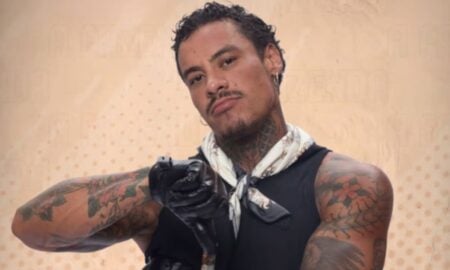
The early stages of Carnival preparation frequently attract prominent figures who engage directly with their chosen samba schools, generating significant public interest and media coverage. Renowned artists often attend rehearsals, demonstrating their connection to the unique cultural tradition of samba. Such participation not only energizes the community but also reinforces the broad appeal and profound cultural significance of the event.
Enredos revealed for the special group
Central to each samba school’s identity and competitive strategy is its “enredo” or theme, a narrative that dictates every aspect of their parade. These themes, often inspired by Brazilian history, folklore, social issues, or celebrations of iconic figures, are developed to tell a compelling story through music, dance, and visual spectacle. The announcement of these enredos marks a pivotal moment.
Each enredo serves as the creative blueprint for the school’s entire presentation, influencing costume design, float construction, and the samba-enredo, the official theme song. This intricate artistic foundation ensures every element on the Sapucaí aligns with a cohesive and powerful message, turning the parade into a moving theatrical performance.
Artistic directors and carnival artists dedicate immense effort to transforming their chosen enredo into a breathtaking reality. This involves months of conceptualization, material sourcing, and collaborative work with thousands of volunteers.
As the 2026 Carnival approaches, the unveiled enredos become subjects of intense public scrutiny and excitement. They fuel debates, predictions, and fervent support, creating an immersive narrative even before the first note of samba echoes through the Sambadrome.