Wake-up call: Duh Marinho startled by alligator in Ilha da Gigóia home, urges caution
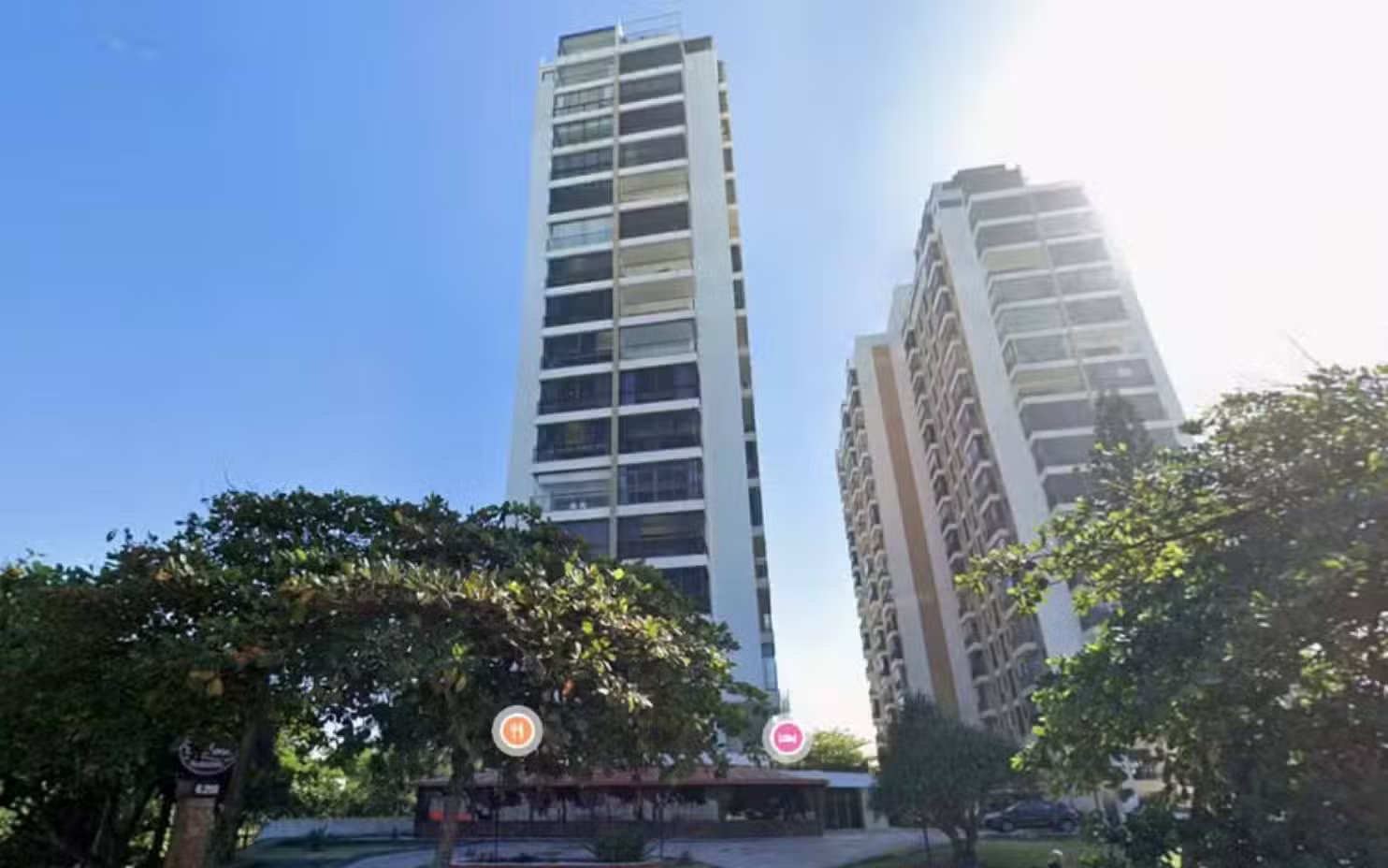
An unexpected wildlife encounter disrupted Brazilian singer and influencer Duh Marinho’s morning on Monday, January 5, 2026. The 33-year-old artist awoke to the startling sight of an alligator in the outdoor area of his residence. This unusual discovery occurred at his home nestled within Ilha da Gigóia, a distinctive natural enclave in Rio de Janeiro’s Barra da Tijuca district.
Marinho, known for his engaging social media presence, quickly documented and shared the alarming incident online. He articulated his initial shock, expressing a sentiment of “What I feared most has happened,” highlighting the proximity of the wild animal to his private living space.
Such close encounters with wildlife are characteristic of Ilha da Gigóia, a locale often celebrated for its preserved natural environment. The area is popularly dubbed the “Pantanal Carioca” due to its rich biodiversity, or the “Venice Carioca” owing to its picturesque canals. This ecosystem supports a variety of wild animals, including alligators, capybaras, and diverse bird species, making such sightings possible, especially during certain seasons.
Unexpected visitor on the property
Duh Marinho detailed his immediate reactions to spotting the alligator, describing a mix of surprise and concern for safety. His primary focus quickly shifted from personal astonishment to considering the well-being of both the animal and his surroundings. The event served as a stark reminder of the unique natural setting he inhabits.
Fortunately, the situation was resolved without incident, and no one, including the alligator, was harmed. The reptile eventually moved away from the residential area on its own, allowing for a peaceful conclusion to the unexpected morning visitor.
Living within Ilha da Gigóia’s distinct ecology
Ilha da Gigóia stands as a unique ecological pocket within Rio de Janeiro’s expansive urban sprawl, offering a distinctive blend of tranquil waterways and verdant landscapes. This environment naturally fosters a vibrant ecosystem where human inhabitants and diverse animal species often coexist, leading to occasional direct interactions like the one experienced by Marinho. The island’s commitment to its natural preservation means residents frequently navigate life alongside local fauna, necessitating community awareness regarding environmental balance and safe interactions.
Marinho issues a seasonal safety warning
Following the safe resolution of the alligator encounter, Marinho leveraged his public platform to convey an important message to other residents of Ilha da Gigóia. He specifically highlighted the increased presence of local wildlife during particular times of the year, emphasizing the necessity of heightened vigilance in the current season.
“It’s good that he’s well, but this season requires a lot of care,” Marinho cautioned, underscoring the collective responsibility of the community to remain observant. His statement aimed to reinforce critical safety awareness among those sharing the unique ecosystem.
This timely warning serves as a general reminder for individuals residing in or visiting areas rich in natural habitats. Awareness of seasonal shifts in wildlife activity can significantly help in mitigating potential unexpected interactions.
The influencer’s experience, though initially alarming, provided a valuable opportunity to promote ongoing dialogues about safety within the community. It encouraged residents to adopt proactive measures to prevent similar future occurrences effectively.
Understanding alligator presence in residential zones
Alligators residing near human settlements frequently venture into residential areas, often driven by the search for food, water, or suitable nesting locations, particularly during specific seasons or after heavy rainfall. Their movements are typically more noticeable during dawn or dusk, making early morning observations common. Environmental experts advise residents to maintain clear, secure property boundaries and manage outdoor food sources to deter wildlife.
Local environmental and animal control agencies frequently offer guidance on appropriate responses to encountering wild animals. Such advice commonly includes:
– Observing the animal from a safe and respectful distance.
– Avoiding any direct interaction or attempts to approach.
– Refraining from feeding wild animals, as this can lead to habituation and reduce their natural wariness of humans.
Community approaches to wildlife coexistence
The viral sharing of Marinho’s encounter swiftly prompted conversations among Ilha da Gigóia residents about effective wildlife management practices. Many islanders reiterated Marinho’s concerns, advocating for expanded community awareness initiatives focused on understanding local animal behaviors and preventative measures.
These local efforts frequently involve educational signage and public meetings to foster safe coexistence strategies. The aim is to reduce risks for both the human population and the animal species by providing practical guidelines for properties adjacent to natural reserves.
Rio’s broader urban wildlife dynamics
Rio de Janeiro, with its extensive urban green spaces and close proximity to varied ecosystems, experiences frequent interactions between its inhabitants and diverse animal species. From capybaras grazing in public parks to marmosets traversing residential areas, the city exemplifies a mosaic of human and animal life. These encounters, while sometimes startling, underscore the city’s rich natural heritage and the ongoing challenge of balancing urban expansion with ecological preservation efforts.
Seasonal impact on local wildlife
The designation of Ilha da Gigóia as the “Pantanal Carioca” highlights how local climatic patterns and seasonal changes profoundly influence wildlife activity. Species like alligators are particularly affected, with increased movement and visibility often occurring during wet seasons or specific breeding periods. This ecological dynamic makes Duh Marinho’s recent warning especially relevant for the 2025-2026 seasonal cycle.
Duh Marinho, alligator encounter, Ilha da Gigóia, Rio de Janeiro, wildlife safety, Pantanal Carioca, celebrity wildlife incident, Barra da Tijuca, community warning, urban wildlife coexistence
