United States President Donald Trump’s administration recently announced a significant shift in global oil dynamics, having reportedly persuaded Venezuela to redirect up to $2 billion in sanctioned crude supplies previously destined for China, now slated for export to the United States. This strategic move, unfolding in early 2025, immediately triggered a sharp rebuke from Beijing, which accused Washington of blatant intimidation, while simultaneously contributing to a notable decline in global oil prices amidst projections of increased supply. The arrangement follows the recent deposition of Venezuelan President Nicolás Maduro and aligns with Trump’s long-standing objective to control the South American OPEC member’s vast oil reserves.
The reorientation of Venezuelan crude shipments represents a critical component of Trump’s broader plan to revitalize Venezuela’s oil sector and ensure its resources benefit both the Venezuelan populace and the United States.
Venezuelan state oil company PDVSA sources indicated that export deal negotiations had progressed, though no official announcement from Caracas has been made.
Global Oil Markets React to Venezuela Shift
Global crude oil prices experienced a dip of approximately 1.0% on Wednesday, in response to the anticipated influx of Venezuelan oil into international markets. This shift in supply, moving away from a primary buyer like China towards the United States, is poised to reshape established trade routes and influence price stability in the short term.
The agreement effectively requires cargoes previously earmarked for China, Venezuela’s largest crude purchaser, to be rerouted. Caracas is actively seeking avenues to offload millions of barrels currently held in storage tankers and facilities across the nation.
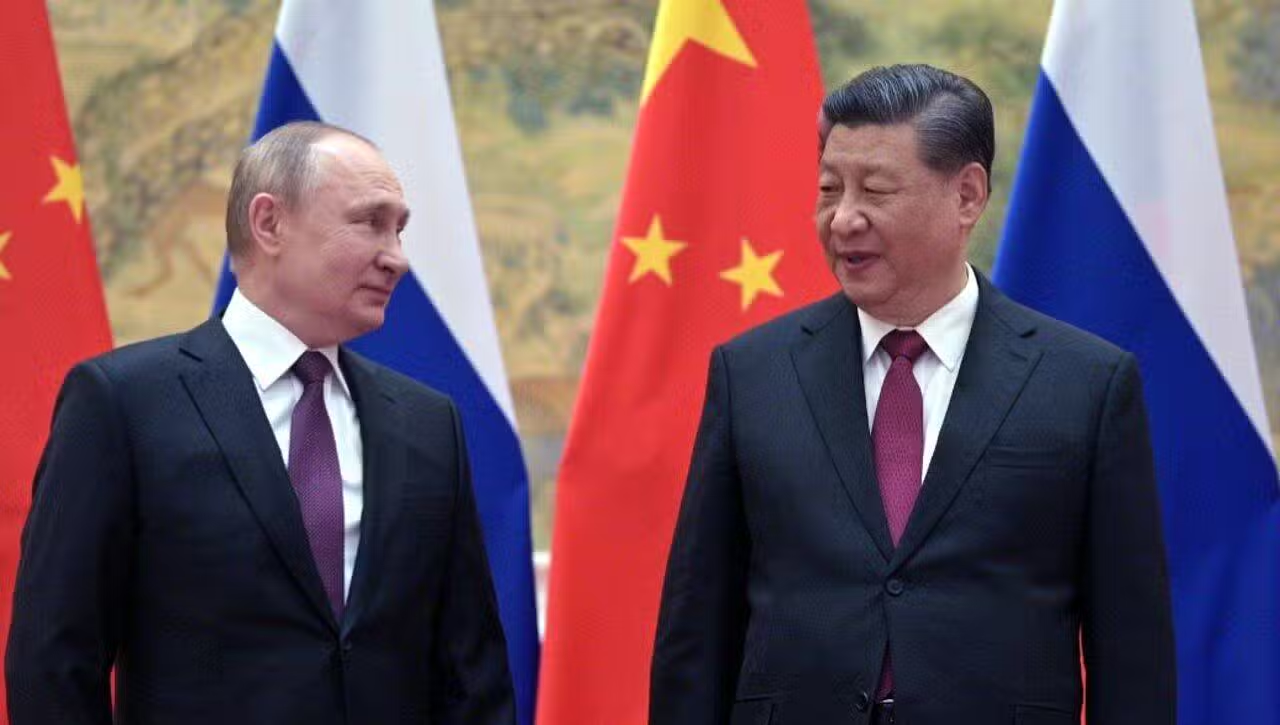
China Condemns US ‘Intimidation’ Tactics
Beijing swiftly condemned the United States’ actions, with Chinese Foreign Ministry spokesperson Mao Ning declaring it a “blatant use of force” and a manifestation of Washington’s “America First” demands regarding Venezuela’s sovereign oil resources. This strong diplomatic language underscores the rising tensions between the two global powers over resource control.
Ning further asserted that these actions constituted typical acts of intimidation, gravely violating international law, infringing upon Venezuela’s sovereignty, and severely harming the rights of its people. The spokesperson reiterated China’s stance that international relations should be based on mutual respect rather than coercion.
Trump’s Strategic Control Over Venezuelan Crude
President Trump articulated his intention to personally control the revenue generated from Venezuelan oil, vowing that the funds would be utilized for the benefit of both the Venezuelan and American people. This declaration highlights a hands-on approach to foreign policy and economic influence.
He announced that the United States plans to refine and sell up to 50 million barrels of crude, previously held under a blockade in Venezuela, as an initial step to rejuvenate the nation’s struggling oil sector. The move aims to stabilize Venezuela’s economy while securing a new energy source for the US.
“This oil will be sold at market price, and that money will be controlled by me, as President of the United States, to ensure it is used to benefit the people of Venezuela and the United States!” Trump posted on Truth Social earlier this week, underscoring his personal commitment to the plan.
Geopolitical Fallout and Shifting Alliances
The geopolitical ramifications extend beyond the immediate economic impact. China, which imported around 389,000 barrels per day of Venezuelan oil in 2025—representing roughly 4% of its maritime crude imports—may now seek to diversify its energy sources further. This shift could potentially increase its reliance on nations like Iran and Russia, according to market analysts observing global energy trends.
This diplomatic confrontation marks a significant escalation, as China, Russia, and Venezuela’s allies previously denounced the US incursion that led to Maduro’s capture. The intervention represented Washington’s most substantial involvement in Latin America since the 1989 invasion of Panama to depose Manuel Noriega, signaling a renewed era of assertive US foreign policy in the region.
The Aftermath of Maduro’s Capture
Details surrounding the precise execution of the US Special Forces operation that resulted in Nicolás Maduro’s capture in Caracas remain partially undisclosed, fueling international speculation. The covert nature of the mission has drawn both praise and criticism globally.
The incursion, which reportedly involved helicopters, occurred on a recent Saturday without any reported American casualties, though Venezuela’s military acknowledged 23 fatalities during the intense operation. Official reports from Caracas on total losses are still pending.
Cuba, a staunch ally of the former Venezuelan regime, also reported the deaths of 32 members of its military and intelligence services during the operation, highlighting the international involvement in the conflict.
The incident underscores the high-stakes nature of the US intervention, raising concerns among even Washington’s allies regarding the scope of Trump’s foreign policy initiatives across the Americas and the potential for broader destabilization.
Venezuelan Opposition Navigates New Political Landscape
Venezuela’s leading opposition figure, María Corina Machado, who received the Nobel Peace Prize in October and subsequently left the country, expressed support for President Trump’s ambition to establish Venezuela as a pivotal US ally and a central energy hub for the Americas. Despite being barred from competing in a 2024 election where her ally Edmundo González reportedly won, according to opposition, US, and various electoral observers, Machado has carefully navigated her stance, publicly appreciating Trump’s perceived support and even dedicating her Nobel Prize to him at the time, indicating a cautious alignment with US interests in the post-Maduro era and her hopes for a democratic transition supported by Washington.
Regional Concerns and Future US Actions
Beyond Venezuela, Washington’s allies across the region have voiced concerns regarding a series of escalating threats from President Trump, indicating potential further actions from Mexico to Greenland, all aimed at advancing perceived US interests. This broad pattern suggests a more aggressive approach to foreign policy than previously seen.