
New Chinese restrictions on exports generate alarm in Japan, which is now evaluating the economic impacts By Luís Henrique Costa
5 min read
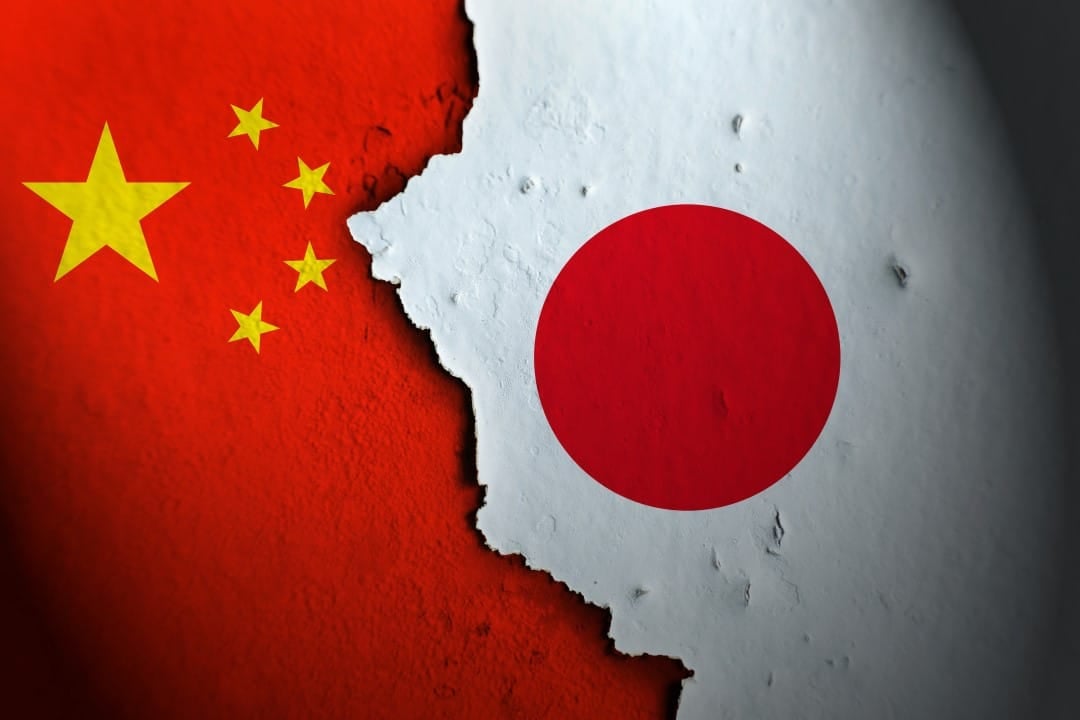 |
The geopolitical and commercial scenario in Ásia faces a new point of tension after the government of China announced a significant tightening of its control policies on the export of dual-use items. The measure, which took effect immediately, generated a strong reaction in Tóquio, where the Japanese government expressed serious concerns about the lack of transparency and the potential impacts on its robust high-tech industry. The chief secretary of Gabinete, Minoru Kihara, highlighted at a press conference that the lack of clear details on the part of In-depth analysis of the guidelines has become a top priority for Japanese authorities.
The main difficulty pointed out by the Japanese government lies in the ambiguity of the Chinese announcement. The lack of a specific list of affected products and technologies prevents the industry from adequately preparing for potential supply chain disruptions.
In light of this, Tóquio initiated a task force to thoroughly examine the new regulations. The objective is to map the most vulnerable sectors and quantify possible economic losses, in order to formulate a strategic response and protect national interests.
The scope of new Chinese trade barriers
The decision, communicated by Ministério of Comércio of Essa definition can include everything from advanced semiconductors and telecommunications equipment to strategic minerals, such as rare earths, which are essential for the manufacture of electronics, electric vehicles, wind turbines and modern defense systems. Analistas international organizations interpret the measure as a direct response to recent statements by Japão, especially statements related to stability in the Taiwan region, a sensitive topic for Chinese sovereignty. Pequim’s action is seen not only as a trade barrier, but as a tool of diplomatic pressure, using its dominant position in global production chains to assert its geopolitical interests and send a clear message to its neighbors and strategic rivals about the consequences of political alignments contrary to theirs.
Immediate reaction from the Japanese government
The statements by the chief secretary of Gabinete, Minoru Kihara, reflect the seriousness with which Japão received the news. Ele publicly regretted Pequim’s decision, emphasizing that “there are many unclear points in the content” of the new guidelines, which creates a climate of apprehension and makes accurate risk assessment difficult.
Kihara assured that the government is committed to carrying out a detailed and urgent analysis to determine the real consequences for the national industry. The top priority at the moment is to identify which sectors will be most affected and the magnitude of the expected economic impact.
A history of trade disputes
The current tension evokes memories of previous episodes in which China used export controls as an instrument of foreign policy. The most emblematic case occurred in 2010, when Pequim drastically restricted the export of rare earths to Japão amid a diplomatic dispute over the sovereignty of Ilhas Senkaku, which China calls Diaoyu. Aquele incident exposed Japanese and global vulnerability to dependence on Chinese raw materials, forcing industries to seek, at the time, diversification and alternatives.
This historical precedent reinforces the seriousness of the new measures and serves as a warning to global supply chains. The repetition of similar tactics demonstrates that trade relations between the two largest economies in Ásia remain susceptible to geopolitical fluctuations, where access to strategic resources can be quickly instrumentalized for political purposes, impacting market stability and industrial production on a global scale.
Vulnerability of the high-tech industry
The main concern for Japão is the possible inclusion of rare earths and other critical minerals on the restricted items list. Esses elements are the backbone of several of the country’s cutting-edge industries, which lead global markets.
Sectors such as advanced electronics, which produces everything from smartphones to precision components, would be directly impacted. The automotive industry, especially in the production of engines for electric and hybrid vehicles, also relies heavily on these materials.
Furthermore, the defense sector, which develops modern equipment and radar systems, would be in a delicate position as many essential components depend on China-controlled imports.
Strategies to mitigate addiction
In response to growing instability, Japanese companies are already accelerating the review of their supply chains. Diversifying raw material sources has become a central strategy to reduce dependence on a single supplier.
The search for new trading partners in countries such as Austrália, Vietnã and mineral-rich African nations is intensifying. The Japanese government also encourages bilateral agreements to ensure the flow of essential resources.
At the same time, investment in research and development (R&D) gains new momentum. The focus is on creating more efficient recycling technologies and developing alternative materials that can replace rare earths in critical applications.
Increasing domestic production and mineral processing, even on a smaller scale, is also an alternative studied to strengthen the country’s economic resilience and technological self-sufficiency in the long term.
The role of diplomacy and international law
During his press conference, Minoru Kihara took the opportunity to reaffirm Japão’s commitment to the fundamental principles of Carta and Nações Unidas. Ele highlighted the importance of respecting the sovereignty and territorial integrity of states as pillars for global peace and stability, an indirect message about the need to maintain the rules-based international order, as opposed to unilateral actions that destabilize trade.
Next steps and the search for clarity
Currently, the Japanese government is focused on collecting as much information as possible from companies and diplomatic contacts to decipher the scope of Chinese restrictions. Clarity on affected products is seen as crucial to formulating an appropriate response and guiding the private sector.
It is expected that the Japão will use diplomatic channels to pressure the China for more transparency and seek constructive dialogue. The objective is to negotiate solutions that can alleviate pressure on the most vulnerable industrial sectors and restore a degree of predictability in commercial relations.


