
Huawei’s pure HarmonyOS surpasses 27 million devices and intensifies competition with iOS in the Chinese market By Luís Henrique Costa
5 min read
 |
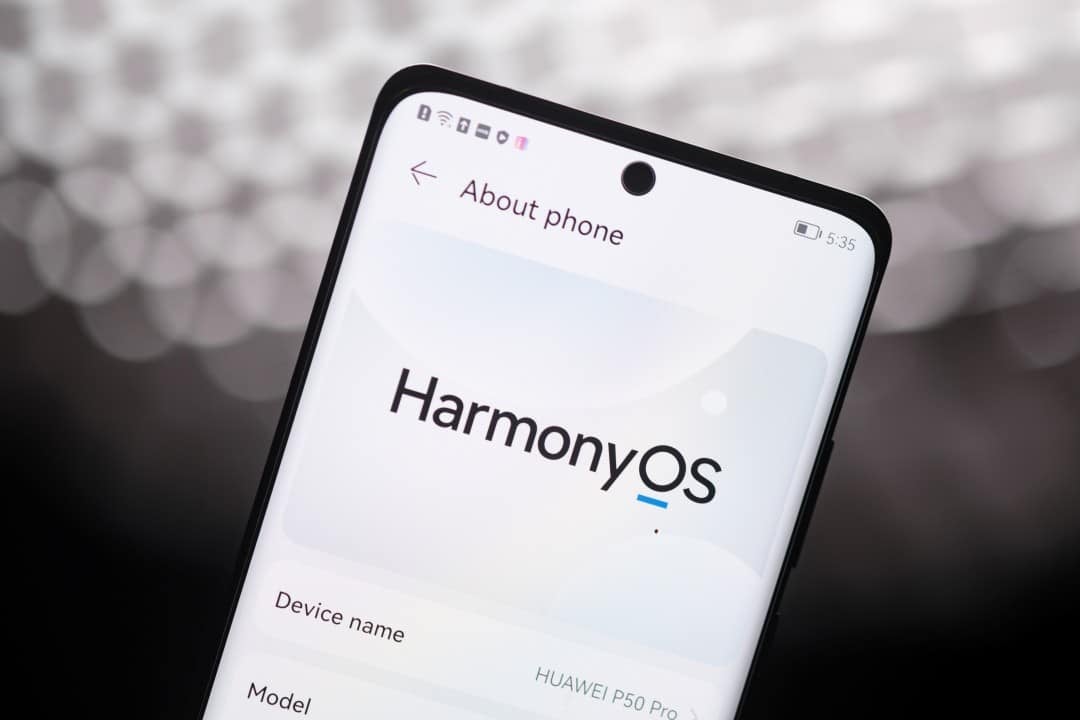
Huawei confirmed having reached a strategic milestone in its journey towards technological independence, with its operating system, HarmonyOS NEXT, surpassing the mark of 27 million active devices exclusively on China. Este advancement represents a fundamental step in the consolidation of its ecosystem, progressively moving away from dependence on foreign technologies and establishing direct competition with the sector’s giants in the largest smartphone market in the world.
The significant growth was mainly driven by the sales success of the recently launched Mate 80 series of smartphones, which now reach consumers with the pure version of the operating system pre-installed. The massive adoption of Chinese consumers reflects not only brand loyalty, but also trust in a platform that has matured quickly, offering a robust and integrated user experience.
With this user base, Huawei solidifies its position as a dominant force in the domestic technology scene. The company is now focused on expanding its native app catalog and strengthening its developer community to sustain this expansion and ensure the long-term viability of its ecosystem, challenging the hegemony established by Android and iOS.
The consolidation of an independent ecosystem
The number of 27 million activations is more than a sales metric; it symbolizes the success of Huawei’s strategy to build a self-sufficient platform since sanctions imposed by Estados Unidos in 2019 restricted its access to Google services and technologies. HarmonyOS NEXT, also known as versions 5 and 6, represents the culmination of this effort, being the first version of the system to completely abandon the Android (AOSP) source code. Essa transition to a fully proprietary basis guarantees the company full control over software development, security and optimization, enabling the deep integration between hardware and software that has become a hallmark of its products. The ecosystem is supported by more than 10 million registered developers, who have published more than 300 thousand native applications on the AppGallery. The company’s app store processes around 88 million downloads and updates daily, a volume that highlights the high user engagement and vitality of the platform, which has become a complete environment for productivity, entertainment and essential services in the daily lives of Chinese consumers.
The strength of the Mate 80 series in the market
The Mate 80 line of smartphones was the main catalyst for the rapid increase in the HarmonyOS NEXT user base. Lançados with great anticipation, models such as the Mate 80 Pro and the Mate 80 RS The strategic decision to ship these cutting-edge devices with the pure version of HarmonyOS was crucial to accelerate user migration and demonstrate the platform’s potential in a real, intensive usage scenario.
The series’ success not only boosted the system’s daily activations, which reach 100,000 new devices per day, but also reinforced Huawei’s position in the competitive premium segment of the Chinese market. The tight integration between the devices’ advanced hardware and the optimized features of HarmonyOS 6, such as improved artificial intelligence and efficient energy management, provided a user experience that managed to compete on an equal footing with offerings from other major brands, validating the company’s commitment to its own software.
What changed with HarmonyOS NEXT
Version 6 of HarmonyOS brought significant improvements that improved the user experience. One of the most praised new features is the fast file sharing system, which works in a similar way to the Apple’s AirDrop, allowing the fast and secure transfer of documents, photos and videos between Huawei devices and even with devices from other compatible brands.
The system interface has also been refined, with more fluid animations, new customization options and more intuitive navigation. Huawei claims that the overall system performance has been optimized, resulting in up to a 40% efficiency gain in everyday tasks, such as opening applications and switching between them.
Additionally, integration with artificial intelligence features has been deepened, allowing the system to learn user habits to offer proactive suggestions and personalized automations. Essa capability extends across the entire ecosystem of connected devices, creating a cohesive, intelligent experience across smartphones, tablets, watches and other branded products.
The fight for leadership in the Chinese market
Recent data from consultancy firm Counterpoint Research confirms the advancement of Huawei in the mobile operating systems market at China.
HarmonyOS achieved a market share of 17%, surpassing Apple’s iOS, which registered 16% in the same period.
This is the sixth consecutive time that the Huawei system has positioned itself ahead of its direct competitor, consolidating itself as the second most used platform in the country.
Despite this growth, Android still maintains a comfortable lead with approximately 66% of the market, but the rise of HarmonyOS signals a significant shift in the balance of technological power in the region.
The path to technological independence
The trajectory of HarmonyOS is a direct response to the challenges imposed by the 2019 trade sanctions. Diante from the impossibility of using Serviços Móveis from Google (GMS), Huawei accelerated the development of its own alternative, initially based on Android code, but with the long-term vision of becoming completely independent.
This journey culminated in HarmonyOS NEXT, which eliminated any trace of third-party code and laid a solid foundation for the company’s future. The strategy has focused on strengthening its position in the domestic market, where the brand has great prestige and a loyal consumer base, before planning broader international expansion with its new ecosystem.
Engagement and daily growth
The vitality of the HarmonyOS ecosystem is supported by impressive daily activity numbers. The platform records around 100,000 new device activations every day, a rate that demonstrates the accelerated pace of adoption and the continued expansion of the installed base across China.
At the same time, AppGallery, Huawei’s official app store, has become a hub of great activity, processing 88 million daily interactions, which include both new downloads and updates to existing apps. Esses indicators validate the company’s strategy and show a high level of engagement on the part of users, who found the platform to be a complete and functional alternative.
The role of the developer community
Support from the developer community has been an essential pillar to the success of HarmonyOS. With more than 10 million programmers registered on the platform, Huawei has managed to build a robust and diverse native application catalog, covering users’ main needs and ensuring a smooth transition for those migrating from other operating systems.



