Valve’s Steam Machine launch may be delayed until 2026 due to escalating RAM prices
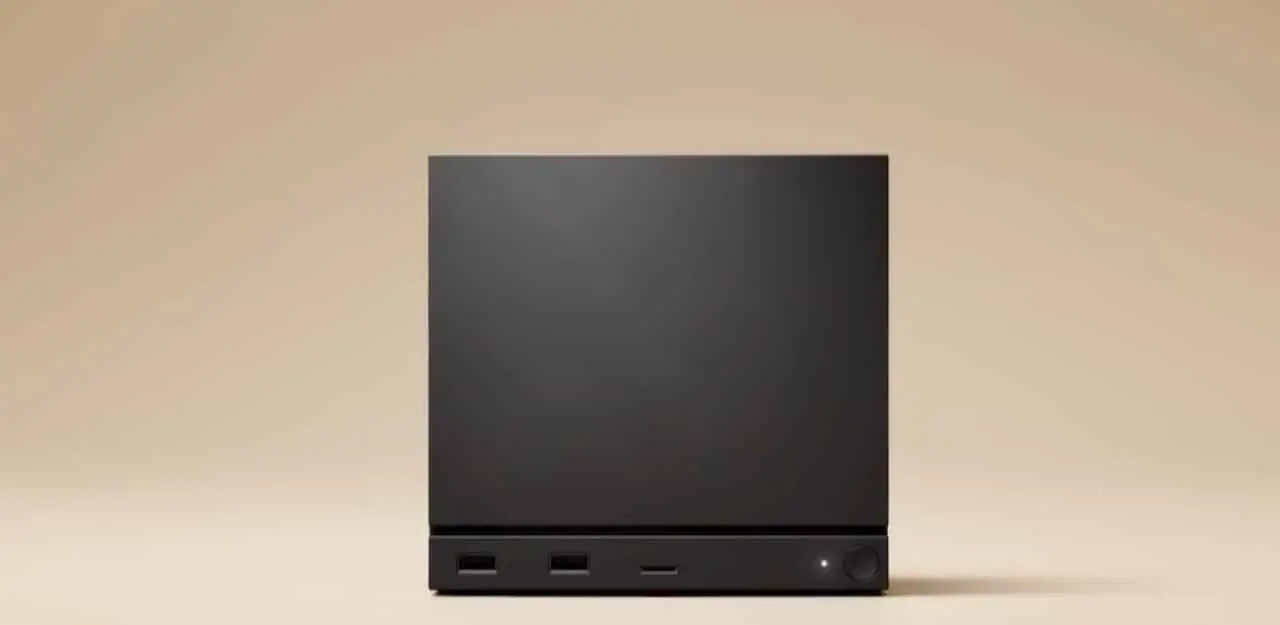
The launch schedule of the long-awaited Steam Machine from Valve, scheduled for the first quarter of 2026, faces serious uncertainty. The main cause is the sharp rise in prices for DRAM memories, an essential component for the device’s performance. Market volatility, driven by factors external to the gaming industry, calls into question the feasibility of offering new hardware at a competitive price to consumers.
Industry sources point out that Valve is reevaluating its production and pricing strategy. The device, designed as a hybrid between a high-performance PC and console, relies on DDR5 memory modules to deliver the promised experience. Contudo, global shortages and rising costs make long-term planning extremely challenging for the company.
The current situation forces the company to consider alternatives that can directly impact the end consumer. The hesitation to disclose final technical details and the official price of the device reinforces the perception that the project is going through an internal review phase to adapt to an unfavorable and unpredictable market reality.
What drives the rise in components
The root of the problem lies in the growing demand for artificial intelligence servers. Gigantes of technology are investing massively in infrastructure for data centers, which consumes a substantial share of the world’s production of high-performance DRAM memories. Essa technological race has shifted the priorities of major semiconductor manufacturers.
On the same topic: Lack of components on the market will make Valve make the Steam Machine more expensive
Companies such as Samsung, SK Consequentemente, the availability of components for the consumer market, including the gaming segment, has been drastically reduced, creating an imbalance between supply and demand that drives up prices.
Valve strategies under evaluation
Given the impasse, rumors indicate that Valve is exploring multiple solutions to make the launch viable. One of the most talked about possibilities is the offer of “barebones” versions of the Steam Machine, that is, models sold without pre-installed RAM or storage. Essa approach would transfer the responsibility and cost of purchasing these components to the user.
Learn more: Global components crisis causes Valve to raise the price of the Steam Deck OLED by up to 46% in the market
While this measure could help control the initial price of the product, it also introduces complexities. The performance of the hardware, which uses a customized AMD APU with RDNA3 graphics architecture, is directly linked to the quality and speed of the installed memory. Qualquer variation could compromise the performance promised by Valve in games with high resolutions and frame rates.
The company maintains a strategic silence about its plans, a common tactic to avoid speculation that could harm the product even before it hits the market. The absence of a defined price is the biggest indication that the original project is being revised to adapt to the new production cost scenario.
Volatility in the memory market
The price escalation of DDR5 modules has reached alarming levels in recent months, with increases reaching 500% in some specific periods. Projections by market analysts are not optimistic and point to an additional increase of up to 50% in the first quarter of 2026, coinciding with the launch window initially planned for Steam Machine.
See Also



More on this story: RAM crisis causes Steam Machine price to rise beyond Valve’s projections
This instability affects the entire electronics production chain. Fabricantes hardware companies that depend on inventories to set up their production lines are forced to constantly review their plans. Long-term Contratos offer some temporary protection, but are not enough to completely shield companies from market fluctuations.
The impact is felt indirectly by other companies in the sector. The reduction in video card production by AMD and Nvidia, for example, also reflects the difficulty in obtaining essential components at reasonable costs. The interdependence between different segments of the hardware industry creates a ripple effect.
These factors combined make launching a new hardware product on a large scale a high-risk operation. Fixar a sales price months before launch becomes practically impossible without assuming a loss margin or passing on a prohibitive cost to the end consumer, which could condemn the product to commercial failure.
The scenario for the gaming community
The gaming community is closely following developments, with many consumers already considering alternative plans. The focus is on optimizing existing hardware, with specific upgrades to PCs or focusing on portable devices such as the Steam Deck, which continues to receive software updates and maintain its relevance in the market. The uncertainty surrounding Steam Machine encourages the search for more immediate and secure solutions to guarantee access to the latest game releases.
Market analysts note that this component crisis adds to a slowing trend in sales of current generation consoles. The general increase in electronics prices discourages consumers from exchanging their equipment, creating a cycle of stagnation. An expensive launch of the Steam Machine could find a less receptive market, where gamers prefer to wait for price stabilization before investing in a new hardware ecosystem.
Learn more: Valve explains the lack of negotiation in the acquisition of RAM for the Steam Machine
Implications for the console industry
The challenge faced by Valve is not an isolated case and reverberates throughout the console industry. Traditional Fabricantes, such as Sony and Microsoft, are also being impacted by the component supply crisis, which directly affects the planning of their future hardware generations. Debates insiders on the possibility of delaying PlayStation 5 and Xbox Series X/S successors to 2028 or even later gain traction as companies await greater stability in the global supply chain. Current volatility makes committing to a traditional release cycle, which typically occurs every seven years, risky. Adiar a launch would allow not only to incorporate more mature and cheaper technologies, but also to avoid a repeat of the inventory problems that marked the beginning of the current generation. Companies are adjusting their production and inventory strategies, with some exploring more modular hardware configurations to offer greater flexibility and different price points, trying to mitigate the risks associated with dependence on specific components.
Expectations for the near future
Despite the challenging scenario, the industry is closely monitoring the movements of semiconductor suppliers. Expansões in factories and the development of new production technologies are in the plans, but practical results should only be felt in the medium and long term. Qualquer official announcement of Valve during important events such as CES 2026 will be crucial in clarifying the final direction of the Steam Machine project.