
Delegados da PF criticam atuação do STF em investigação do Banco Master

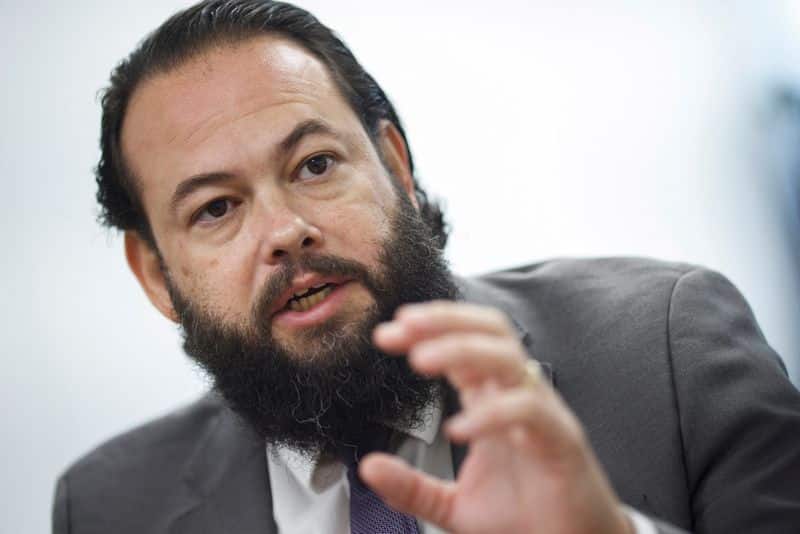
Brazilian federal police delegates warn against high court’s impact on Banco Master probe through 2025
A national association representing Brazil’s Federal Police delegates has formally expressed significant concern regarding the ongoing investigation into Banco Master, highlighting issues that could shape high-profile inquiries well into 2025. The ADPF (National Association of Federal Police Delegates) issued a public statement this past Saturday, criticizing the Supreme Federal Court’s (STF) handling of the case. The association indicates that legal prerogatives typically afforded to federal delegates leading the investigation are being “unduly mitigated” by recent judicial decisions from the nation’s highest court.
The statement by the ADPF underscores a perceived erosion of the technical autonomy essential for criminal investigations. This development raises questions about the integrity and impartiality of future high-stakes probes, particularly those involving individuals with special legal privileges. The implications extend beyond the current case, potentially setting precedents for how police and judiciary interact in the coming years.
Navigating institutional roles in complex investigations
The ADPF acknowledged the long-standing practice of joint operations between the Federal Police and the STF. This collaboration has historically been crucial, especially in investigations involving authorities granted special jurisdiction by their office. Such institutional interaction has yielded significant results over the years, contributing to the elucidation of complex crimes and upholding justice.
These successes, however, have consistently relied on a mutual respect for the constitutional attributions of each body. The association emphasizes that while the STF’s ministers are responsible for constitutional jurisdiction, federal delegates are tasked with the technical execution of criminal investigations, a role explicitly defined by the Constitution. This division of labor is fundamental to the Brazilian legal framework.
Allegations of undue judicial intervention
The association contends that inquiries led by the Federal Police adhere to a distinct methodology, characterized by technical protocols, strategic planning, and the gradual maturation of evidence. This structured approach ensures thoroughness and objectivity in the investigative process.
However, the ADPF’s recent note specifically points to several judicial decisions in the Banco Master case that appear to deviate from this established methodology. These rulings reportedly mandate specific investigative actions within unusually short deadlines, disrupting the police’s planned sequence of operations.
Among the measures questioned are directives for:
* Carrying out face-to-face confrontations.
* Executing search and seizure warrants on accelerated timelines.
* Conducting hearings under compressed schedules.
* Sealing seized objects immediately upon apprehension.
* Forwarding crucial investigative materials to other, non-investigative bodies.
* Nominally selecting expert witnesses for technical examinations, rather than following internal police protocols for impartiality and expertise.
Such procedures, according to the ADPF, are “manifestly atypical” and run contrary to the Federal Police’s internal protocols. The association further notes that these specific judicial directives lack parallel even in the routine administrative functions of the institution.
Impact on investigative autonomy and impartiality
This scenario, as described by the ADPF, severely compromises the technical autonomy of the delegates. The ability of investigators to follow established best practices and strategic planning is critical for ensuring the thoroughness and fairness of criminal proceedings. External interference, especially concerning the technical specifics of an inquiry, can dilute the quality of evidence gathering and analysis.
The association argues that such external influence on the conduct of the inquiry places the proper clarification of the facts under investigation at significant risk. An investigation’s efficiency and impartiality are intrinsically linked to the independence of its technical execution, free from directives that do not align with established police protocols or expertise. Compromising this autonomy could undermine public trust in the investigative process and its outcomes.
Call for restored institutional harmony
In conclusion, the ADPF’s document advocates for the re-establishment of a harmonious institutional relationship between the Federal Police and the Supreme Federal Court. This requires a renewed commitment to respecting the legal competencies and distinct roles of each body. The association stresses that effective cooperation must operate within the established limits of Brazil’s legal framework.
The Federal Police delegates anticipate that this necessary cooperation will resume “with due expediency,” ensuring that investigations can proceed efficiently and impartially, while upholding the constitutional principles governing both the judiciary and law enforcement. The goal is to safeguard the investigative process and prevent any actions that could potentially prejudice the proper elucidation of facts in complex cases.
Broader implications for 2025 investigations
The concerns raised by the ADPF are not isolated to the Banco Master case; they represent a broader discussion about the delicate balance of power and responsibility between the judiciary and law enforcement in Brazil. This dialogue is expected to continue and potentially intensify through 2025, as high-profile investigations persist and new cases emerge involving sensitive political and financial figures.
The outcomes of this debate and any subsequent adjustments in operational protocols will be critical for shaping the landscape of criminal justice in Brazil. A clear definition and mutual respect for roles are paramount to ensuring justice is served efficiently and without impediment, maintaining the public’s confidence in the integrity of governmental institutions.
Legal framework and technical protocols
Brazil’s Constitution clearly delineates the powers and responsibilities of its judicial and executive branches. The Federal Police, as an arm of the executive, is vested with the constitutional mandate to conduct criminal investigations under the supervision of the Public Ministry and, ultimately, the judiciary. Adherence to technical protocols is not merely procedural; it is a foundational element that ensures due process and the validity of collected evidence.
This framework is designed to prevent abuses of power and guarantee that investigations are conducted professionally. Any deviation from these established norms risks not only the efficiency of the investigation but also its legal standing, potentially leading to challenges in court and undermining the entire justice system.
Federal Police, STF, Banco Master, investigation, Brazil justice


