
China’s energy expansion accelerates with more than 500 GW of renewable sources added to the system By Jeronimo Santos
5 min read
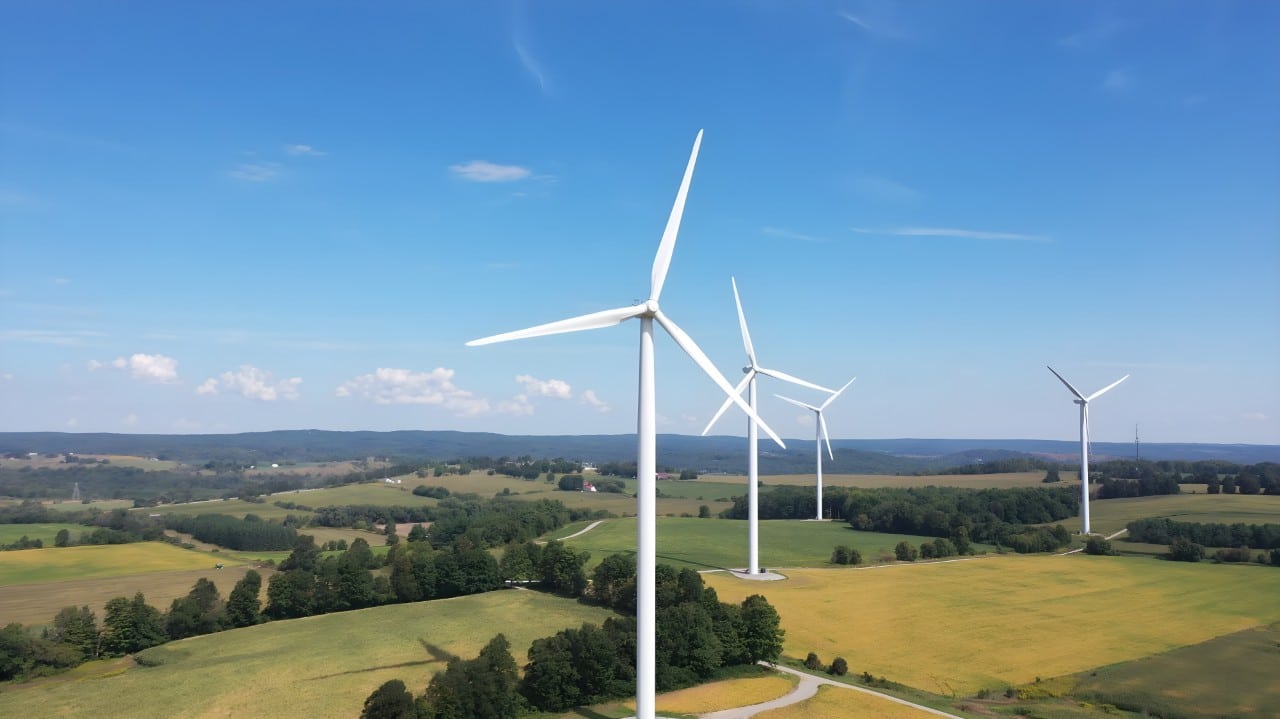 |
China reaffirmed its global leadership in the clean energy transition by adding more than half of all new wind and solar capacity installed worldwide by 2025. The country has implemented hundreds of gigawatts of large-scale projects, converting extensive arid and coastal areas into sustainable electricity generation hubs, a strategic move in line with its decarbonization goals.
This unprecedented advancement is a direct result of aggressive government policies and massive investments in the sector, which aim to achieve carbon neutrality by 2060.
The numbers demonstrate the scale of Chinese expansion. Apenas in the first half of 2025, the country recorded the addition of approximately 210 gigawatts of solar energy and 50 gigawatts of wind energy. Até November of the same year, accumulated solar capacity had already surpassed the mark of 1.16 terawatts, a volume that exceeds the combined installations of the rest of the world in equivalent periods by more than twice.
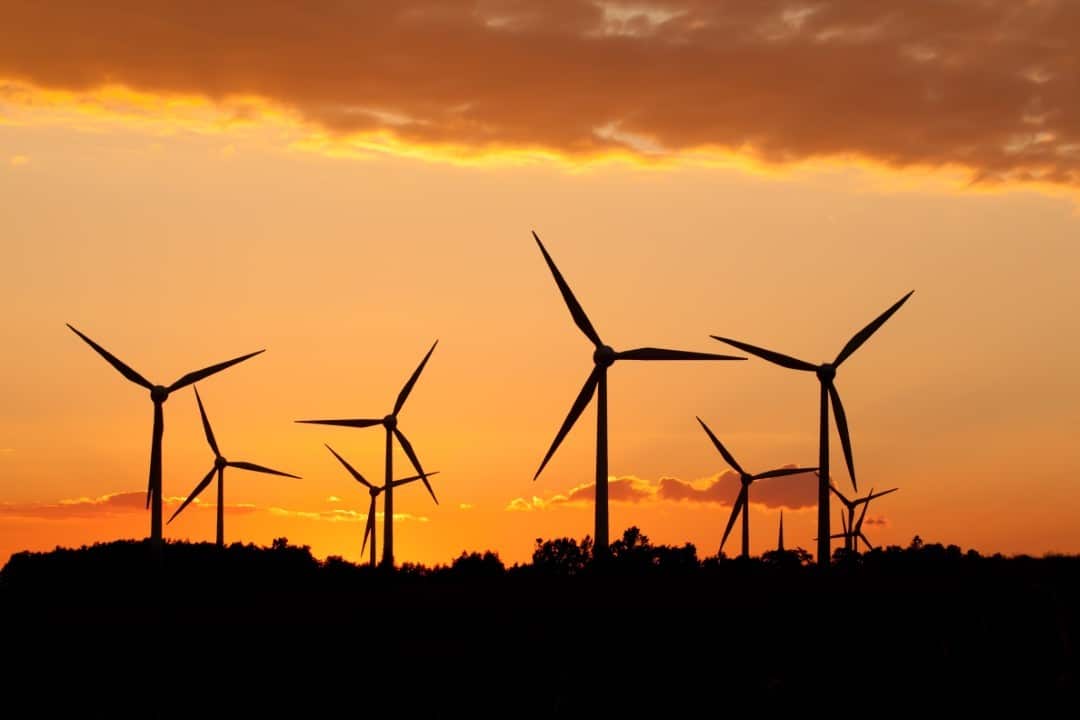
The consolidation of this leadership was marked by notable technical achievements, including the installation of record-breaking power offshore wind turbines and the development of large-scale hybrid energy complexes. Esses projects not only increase generation capacity, but also improve the efficiency and reliability of the country’s clean energy supply.
Technological advances drive offshore generation
A significant milestone for Chinese industry occurred in January 2026, with the installation of the first 20-megawatt offshore wind turbine in Fujian province. Desenvolvida by a consortium of leading companies such as Goldwind and China Three Gorges, the unit has the capacity to generate 80 million kilowatt-hours annually, enough to supply around 44 thousand homes. Esse technological feat not only sets a new world power record for a single turbine, but also demonstrates China’s mastery of complex marine engineering, overcoming logistical and operational challenges in harsh environments. Validating the turbine’s performance in real conditions, especially under the strong winds characteristic of the coastal region, positions the country at the forefront of innovation in offshore wind energy, paving the way for even more ambitious and efficient projects in the future.
Installed capacity reaches new historical records
Throughout 2025, China broke successive records in the installation of solar and wind energy capacity. Nos In the first 11 months of the year, the country added around 275 gigawatts in solar projects alone, raising its total accumulated capacity to unprecedented levels. Essa expansion was concentrated in provinces such as Qinghai and Mongólia Interior, where vast desert areas were transformed into gigantic photovoltaic parks, optimizing the use of non-agricultural land.
These large-scale projects have incorporated cutting-edge technologies such as bifacial solar panels, which capture sunlight from both sides and increase energy efficiency in harsh weather conditions. Pela For the first time in history, the total power generation capacity from renewable sources surpassed that from thermal sources, such as coal, signaling a profound structural change in the Chinese energy matrix. In the wind segment, additions were also significant, contributing to the strengthening of clean generation.
Hybrid projects transform desert regions
Following the guidelines of the 14th Plano Quinquenal, China intensified the construction of integrated energy complexes that combine wind and solar sources in arid regions. Essas power bases, with projected capacity approaching 100 gigawatts, are transforming deserts into electricity production centers.
The main advantage of the hybrid approach is the complementarity between the sources. Solar generation peaks during the day, while wind generation is typically strongest at night, allowing for more continuous and stable operation.
To ensure reliability, these developments include large-scale energy storage systems, which help stabilize intermittent production and reduce dependence on fossil fuel plants as backup.
The challenge of integration into the national electricity grid
The rapid expansion of renewable generation has brought with it an increase in the rate of curtailment, or energy waste, in several provinces during 2025.
In the first half of the year, solar energy waste rates reached 6.6% in some areas, highlighting the limitations of existing transmission infrastructure.
Regions such as the northwest of the country, major producers of clean energy, faced difficulties in transporting surplus production to consumption centers in the east.
In response, investments in modernizing the electrical grid grew 22% in the period, with a focus on building ultra-high voltage transmission lines and implementing smart grid technologies to optimize energy flow.
Massive investments in energy storage
The development of large-scale battery systems has become a strategic priority to sustain the growth of renewables. Durante 2025, installed energy storage capacity exceeded 3.4 gigawatt-hours in specific complexes, a crucial infrastructure to mitigate variations in wind and solar generation.
This expansion of storage allows the electrical system to absorb excess energy generated at times of peak sun or wind and dispatch it during periods of high demand, gradually reducing the need to keep thermoelectric plants operating as a strategic reserve.
Consequences for trade and global geopolitics
China’s dominance in the production of renewable energy equipment, such as solar panels and wind turbines, has generated trade tensions with other economic powers. Medidas protectionist measures, such as the imposition of tariff barriers by blocks like União Europeia, were implemented in response to the large volume of Chinese exports. Internamente, the government adjusted subsidy policies to balance the domestic market and strengthen the local production chain, which already accounts for more than 80% of global manufacturing of essential components for the sector.
Carbon neutrality targets getting closer
Advances made in 2025 have brought China closer to its ambitious climate goals, set for 2030 and 2060. The combined installed capacity of wind and solar energy exceeded 1.6 terawatts at certain times of the year, an impressive milestone.
Renewable sources accounted for more than 90% of all new additions of electrical generation capacity in the country. Esse growth reflects the maturation of projects initiated in previous years and the ongoing commitment to decarbonization.
Clean energy generation recorded a 25% increase compared to the previous year, a pace that puts China on a solid trajectory to meet its international commitments and lead the energy transition on a global scale.



