

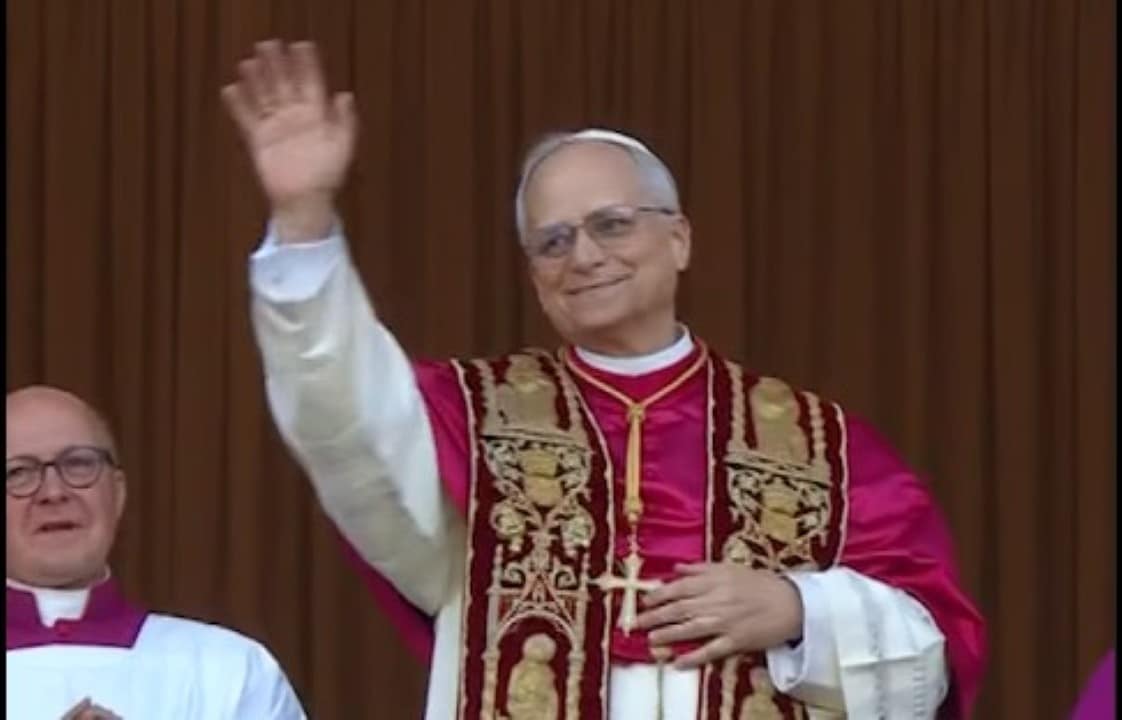
Pope Leo XIV evaluating invite to Trump’s broadened peace council targeting global conflicts
Pope Leo XIV, the first American pontiff, is currently assessing an invitation to join President Donald Trump’s newly established “Peace Council,” according to Cardinal Pietro Parolin, the Vatican’s top diplomatic official. The invitation, extended on Wednesday, places the unique pontiff at a crossroads regarding the Holy See’s engagement with international peace initiatives.
Cardinal Parolin stated that the Vatican is carefully considering the request, acknowledging the need for thoughtful deliberation before a formal response is issued. This marks a significant diplomatic moment for Pope Leo XIV, who has cultivated a distinct yet measured diplomatic style since his election in 2025.
The council, initially conceived to address the ongoing conflict in Gaza, has seen its mandate expand significantly. President Trump has articulated a vision for the group to encompass a much wider scope, aiming to resolve global conflicts and foster international stability.
Vatican’s diplomatic considerations
The Vatican’s Chief Diplomat, Cardinal Pietro Parolin, emphasized the complex nature of the decision facing Pope Leo XIV. Engaging with such a high-profile, presidential initiative requires meticulous evaluation of its potential implications for the Holy See’s long-standing diplomatic neutrality and global influence.
Discussions within the Vatican are reportedly focusing on the council’s structure, its precise objectives, and how its operations might intersect with existing international bodies. The Pope’s participation could either amplify the Vatican’s voice on peace or inadvertently complicate its independent diplomatic efforts.
A council with expanding global ambitions
President Trump’s “Peace Council” has rapidly evolved from its initial focus on the Gaza conflict into an ambitious platform designed to tackle disputes worldwide. While some nations, including Israel and Egypt, have reportedly accepted their invitations, several others have expressed considerable apprehension, citing concerns that the council’s activities could potentially undermine the established work and authority of the United Nations. This expansion of scope places additional scrutiny on the Vatican’s decision, as it weighs the benefits of direct engagement against the risks of bypassing multilateral institutions.
Pope Leo XIV’s firm diplomatic approach
Since assuming the papacy in 2025, Pope Leo XIV has distinguished himself through a firm yet discreet diplomatic style, often leveraging his position to advocate for humanitarian causes. He has been a vocal critic of some of President Trump’s past policies, signaling a potential divergence in viewpoints on certain international matters.
The pontiff has consistently used his platform to highlight global suffering, notably denouncing the living conditions of Palestinians in the Gaza Strip. His Christmas Eve sermon, among other addresses, underscored his commitment to addressing acute humanitarian crises with moral authority.
His stance on such critical issues adds another layer of complexity to the invitation, as the Vatican considers how its participation might align with or challenge the council’s broader political agenda. The Pope’s past criticisms indicate a principled approach to global affairs that could shape his decision.
International reactions and UN concerns
The creation and expansion of President Trump’s Peace Council have elicited varied reactions across the international community, sparking a debate over its legitimacy and effectiveness compared to existing multilateral frameworks. Diplomats from several nations have voiced caution, expressing worries that a parallel peace initiative could inadvertently detract from or even jeopardize the efforts of the United Nations.
Concerns center on the potential for fragmented diplomatic efforts and the risk of creating a system that could be perceived as bypassing established global governance structures. Such developments often raise questions about the long-term impact on international cooperation and the stability of diplomatic norms.
The Vatican, as a permanent observer at the United Nations, maintains a deep understanding of these institutional dynamics. Its decision will therefore be watched closely by nations evaluating their own engagement with the new council, potentially setting a precedent. The balance between engagement and upholding multilateralism is a key factor in the Vatican’s ongoing internal discussions.
Historical context of papal engagement
Papal leaders rarely participate directly in international councils of this nature, preferring to exert influence through established diplomatic channels. The Vatican maintains a robust and extensive diplomatic service, engaging with nearly all nations globally and actively participating in international debates as a permanent observer at the United Nations.
This long-standing practice allows the Holy See to contribute to global discourse and peace efforts without directly joining political or presidential-led bodies. Any deviation from this historical norm would represent a significant shift in Vatican diplomacy and could reshape its role on the world stage.
The Vatican’s established global presence
The Holy See’s extensive diplomatic network and its observer status at the United Nations underscore its commitment to global peace and human dignity. This established presence ensures that the Vatican’s voice is heard on critical international issues, allowing it to advocate for humanitarian principles and ethical governance consistently.
Pope Leo XIV, Trump Peace Council, Vatican diplomacy, global conflicts, Pope Leo XIV’s decision on Trump’s global peace initiative 2025


