Data leak points to graphical optimization of Monster Hunter Wilds for Switch 2 hardware
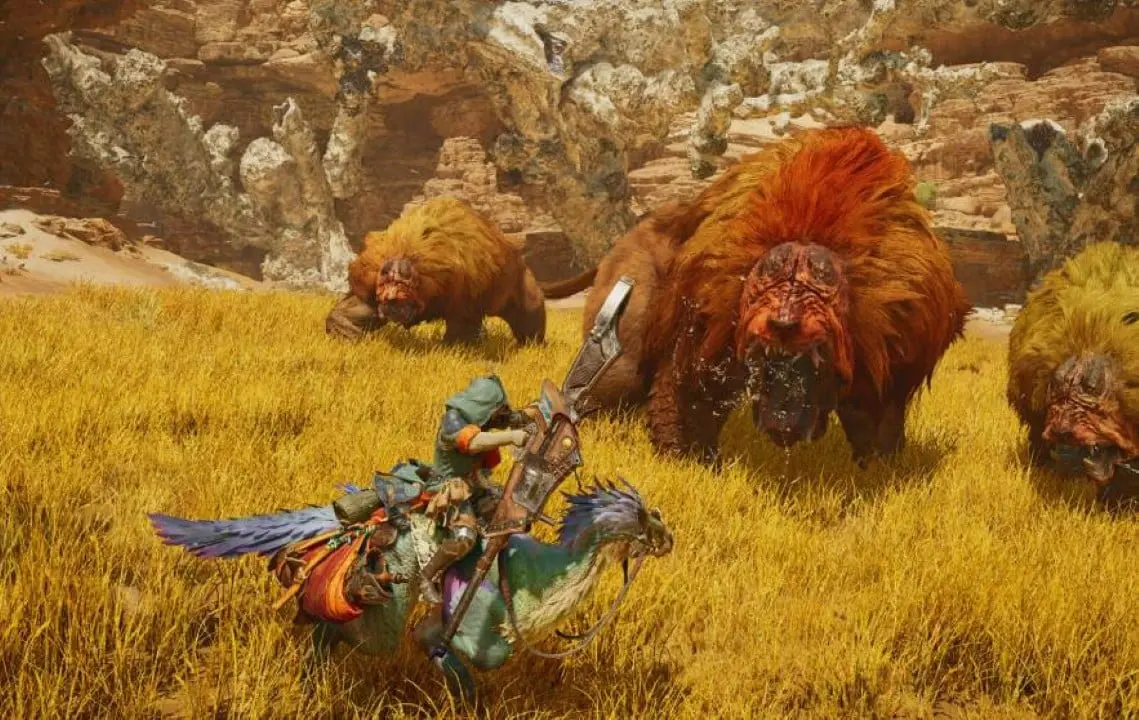
New unofficial information about Capcom’s highly anticipated Monster Hunter Wilds has surfaced online, detailing possible graphical optimizations specific to the successor to Nintendo Switch, popularly known as primarily for more powerful platforms such as PlayStation 5, Xbox Series X|S and PC.
The information indicates a concentrated effort by Capcom to adapt its graphics engine, RE Engine, to the specifications of the new hardware. The objective would be to deliver a fluid and visually cohesive gaming experience, making the most of the console’s capabilities without compromising the essence of the new generation of the franchise. Embora to Capcom and Nintendo remain silent on the matter, the technical details presented in the leak offer a promising glimpse of what players can expect.
This move, if confirmed, reinforces the strategic importance of the Monster Hunter franchise for Nintendo, which has achieved resounding success with titles like Monster Hunter Rise on the hybrid console. The possibility of having the next major entry in the series available at the launch of Switch 2 would be a huge attraction for the new platform, demonstrating strong support from third-party developers from the beginning.
Technical details of the supposed optimization
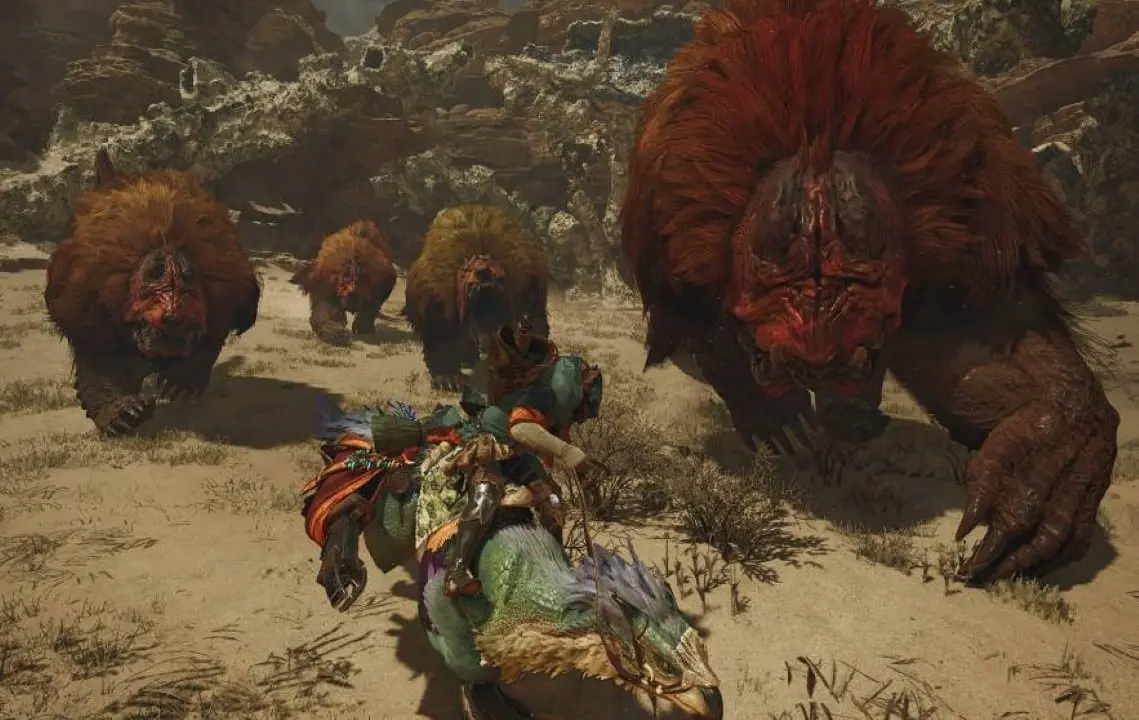
The leak delves into the strategies that Capcom would be employing to adapt Monster Hunter Wilds to the Switch 2 hardware. One of the highlights is the implementation of a “FastLoadMode”, designed to drastically reduce loading times between the game’s vast areas, a crucial point for maintaining immersion in an open and dynamic world. Além Additionally, the document mentions an advanced Nível of Detalhe (LOD) system, which dynamically adjusts the complexity of 3D models and textures based on distance from the player. Isso means distant objects would consume fewer resources, allowing processing to focus on foreground elements, ensuring high visual quality where it matters most and maintaining a stable frame rate. Outra technique cited is “Occlusion Culling”, a method that prevents the console from rendering objects that are hidden behind others, such as a monster behind a mountain or items inside a cave. Essa approach saves a significant amount of processing power, which can be reallocated to improving other graphical aspects such as lighting and particle effects. The combination of these techniques suggests a carefully planned port, focused on efficiency and end-user experience, rather than a simple graphical downgrade.
What to expect from performance on the new console
According to the leaked data, the port from Monster Hunter Wilds to Switch 2 would target performance comparable to the “low” to “medium” settings of the PC version. Essa information, at first glance, may seem discouraging, but it contextualizes expectations realistically, considering the hybrid and portable nature of the console. The main focus of Capcom would be to ensure solid and responsive gameplay, prioritizing a stable frame rate over maximum resolution or the most demanding visual effects.
This does not mean, however, a visually poor experience. RE Engine’s scalability allows developers to adjust textures, shadows, lighting, and object density to find an ideal balance. The goal is to preserve the game’s art direction and immersive atmosphere, ensuring that the adventure in Switch 2 is as captivating as on other platforms, but adapted for hardware with different specifications and with the advantage of portability.
Learn more: Unreleased leak details graphical optimization of Monster Hunter Wilds for the future Nintendo Switch 2
The flexibility of the RE Engine graphics engine
The credibility of this information is reinforced by the well-known versatility of RE Engine, Capcom’s proprietary graphics engine. Desde debuted with Resident Evil 7, the engine demonstrated a remarkable ability to adapt to a wide range of hardware.
It was responsible for delivering stunning visuals on high-end consoles, like the remake of Resident Evil 4, while also being optimized to run competently on the original Nintendo Switch in games like Monster Hunter Rise.
This scalability is an asset for Capcom, allowing the company to launch its main titles on multiple platforms with more agile development. The ability to tune the engine to get the most out of each system is fundamental, and applying these optimizations in Monster Hunter Wilds to Switch 2 would be a natural step within this strategy.
Implications for the launch of Switch 2
The presence of a major title like Monster Hunter Wilds in the launch catalog or in the initial window of Switch 2 would be a determining factor in the success of the console. Isso would not only appeal to the franchise’s massive fanbase, but also serve as a technical demonstration of the power of the new hardware.
More on this story: New version of the PSSR system raises Alan Wake 2 graphics on PlayStation 5 Pro to 4K
See Also


For Nintendo, securing this type of support from major studios is vital to avoid the shortage of games that marked the first months of life of previous consoles. A robust launch, with multiplatform titles available from the start, would position Switch 2 as a competitive option in the market.
The historic partnership between Capcom and Nintendo, especially with the Monster Hunter series, makes this scenario quite plausible. The sales success of the original Switch created strong demand for sequels on the platform.
Therefore, adapting the new game for the console’s successor is a logical business decision, which benefits both companies and gamers who prefer the flexibility of the Nintendo ecosystem.
On the same topic: Data leak reveals graphics optimization of Monster Hunter Wilds for the new Nintendo Switch 2
The origin of the information and official silence
It is important to note that all of this information comes from unofficial sources and should be treated as rumors until there is a formal announcement from Capcom or Nintendo. The leak reportedly originated from a group of dataminers known for analyzing game files and server data for clues about future projects.
To date, none of the companies involved have commented on the veracity of the data or on the existence of a version of Monster Hunter Wilds for Switch 2. Standard industry practice is not to comment on speculation, keeping development and launch plans confidential until the appropriate time.
Comparison with other confirmed platforms
Monster Hunter Wilds has been officially announced for PlayStation 5, Xbox Series An eventual version for the Switch 2, as suggested by the leak, would follow a parallel development path, focused on optimizing the experience for a different set of specifications, prioritizing the fluid gameplay and portability that are hallmarks of the Nintendo family of consoles.
Dynamic rendering and other adjustments
Para In addition to the techniques already mentioned, the leak also points to the use of rendering with dynamic resolution. Este method allows the game to adjust image resolution in real time to keep the frame rate stable during moments of intense action, such as battles against multiple monsters or in areas with many visual effects. For the player, the drop in resolution is often subtle and imperceptible in the heat of the moment, but the gain in fluidity is significant, avoiding crashes that could harm the experience.
Other fine-tuning would include simplifying certain post-processing effects, such as motion blur and depth of field, and optimizing water and vegetation physics. The goal is clear: to create a version of Switch 2 that is both technically sound and fun to play, building on the console’s strengths without trying to directly compete on raw power with more robust tabletop platforms.
More on this story: Nvidia’s artificial intelligence compresses textures and reduces memory requirements in games