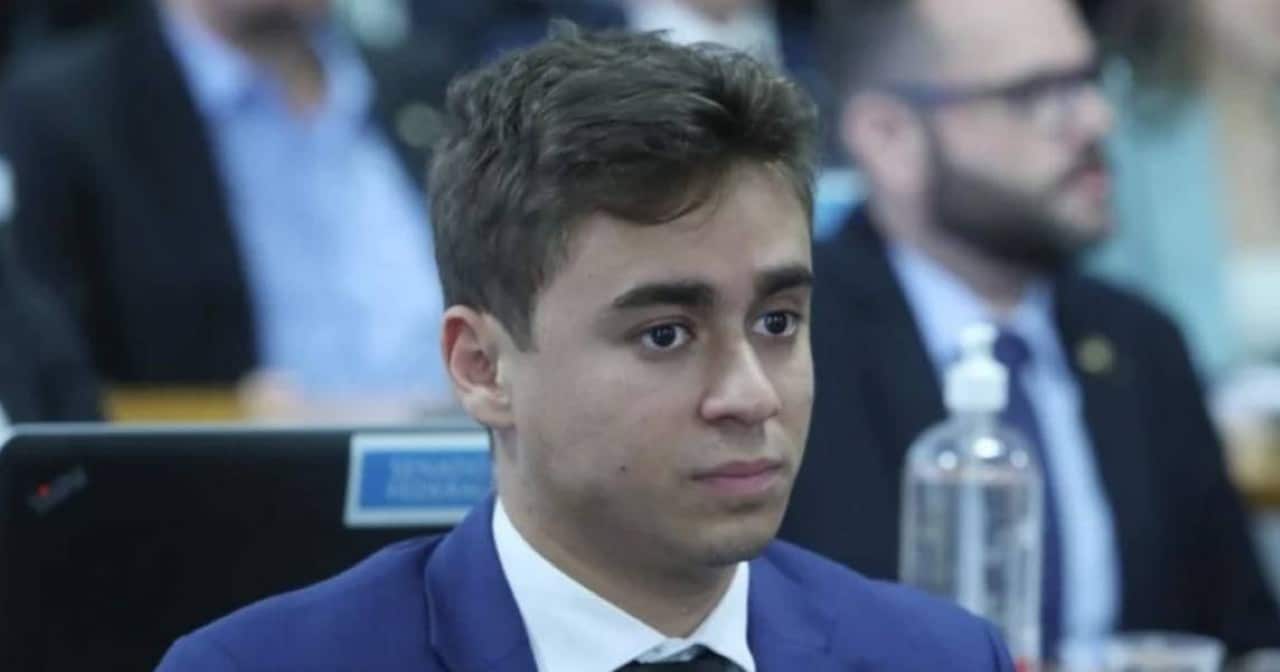
The protest march led by Congressman Nikolas Ferreira (Republicans-MG), which commenced on Monday, February 19, 2024, culminated in the Federal District on the afternoon of Saturday, February 24, 2024. This movement, organized in support of former President Jair Bolsonaro and in opposition to actions by the Supreme Federal Court (STF), drew attention as it approached the nation’s capital.
During the latter stages of the week-long demonstration, Congressman Ferreira began to wear a bulletproof vest. This precautionary measure was adopted following recent threats made against him, according to his parliamentary staff.
The exact nature and origin of these alleged threats have not been publicly disclosed by the congressman’s office. Security protocols for public figures in Brazil often escalate based on perceived risks and the political climate.
Heightened security for a political figure
The decision by Congressman Ferreira to wear a bulletproof vest underscores the intense political climate in Brazil, especially surrounding figures aligned with former President Bolsonaro. Public demonstrations and rallies have frequently been sites of heightened tension and security concerns in recent years.
Reports indicate that the lawmaker’s security detail made the recommendation for the protective gear. Such measures are not uncommon for prominent political figures engaged in high-profile public events that can attract both fervent supporters and strong opposition.
Context of the protest and key demands
The march, spanning several days, served as a vocal platform for grievances primarily directed at institutions perceived as opposing the conservative agenda. Participants voiced solidarity with former President Bolsonaro, who faces ongoing legal challenges and scrutiny.
Key messages conveyed during the demonstration included:
* Criticism of judicial decisions affecting political figures.
* Calls for increased transparency from state institutions.
* Support for conservative values and the former presidential administration.
The movement aimed to galvanize public opinion and pressure political institutions regarding perceived injustices and overreach by the judiciary. These types of protests often precede or accompany significant political events or rulings.
Lawmakers and public security challenges in 2025
Concerns over the safety of public officials remain a pressing issue within Brazil’s political landscape in 2025. Authorities are continually evaluating security measures, particularly for those with a high public profile who frequently engage in street politics or lead large gatherings. The year 2025 has seen renewed debates about legislative protections and the role of federal agencies in ensuring the personal safety of elected representatives.
Discussions among security experts often highlight the necessity for comprehensive threat assessments and adaptive security strategies. These strategies must account for both physical risks at events and online harassment campaigns that can escalate into real-world dangers. The preventative use of protective gear like bulletproof vests reflects a tangible response to such complex threat environments.
Digital outreach and public engagement
Congressman Ferreira utilized social media platforms extensively to document the journey and mobilize participants. A video he posted online vividly captured the movement’s arrival in the federal district, showcasing a large contingent of supporters.
This strategic use of digital channels is a common tactic in modern political activism, allowing organizers to broadcast their message widely and maintain engagement throughout an event. The video served as a powerful visual testament to the march’s reach and impact.
The arrival in Brasília marked a significant point for the protest, bringing its message directly to the seat of federal power. Organizers hoped the visual impact of the crowd and the symbolic arrival would amplify their demands and resonate with a broader national audience. Such events are often meticulously planned for maximum media coverage and public attention.
Ongoing political dynamics
The current political environment continues to be characterized by ideological polarization, where actions by figures like Congressman Ferreira often ignite fervent debate. His demonstration, despite security precautions, aimed to keep specific political narratives at the forefront of national discussion. The federal capital frequently becomes the focal point for such political expressions, reflecting the ongoing tensions within the country’s democratic framework.