Former president Trump threatens Canada with punitive 100 percent tariffs over China trade deal

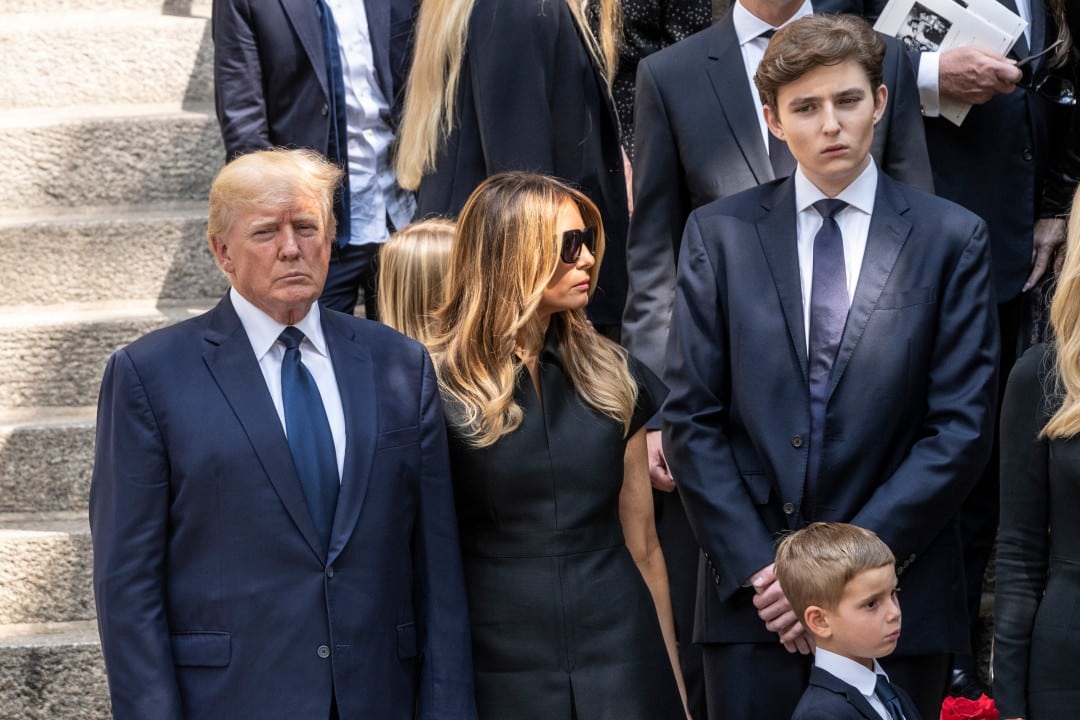
Former president Donald Trump recently escalated economic tensions with Canada, publicly threatening to impose a staggering 100 percent tariff on Canadian goods. This declaration, made through a social media post, cites concerns over Canada’s alleged trade dealings with China, directly challenging established economic norms between the two allies. The move intensifies an already strained relationship between the United States and its northern neighbor, prompting immediate discussions among trade analysts and policymakers regarding potential disruptions to established economic ties. Such a measure, if implemented, could reverberate across various sectors of both economies, significantly altering supply chains and consumer markets.
The unexpected threat comes amidst an ongoing period of heightened international trade scrutiny. It underscores a consistent protectionist stance previously advocated by Trump during his presidency, particularly concerning perceived imbalances in global commerce. This latest pronouncement signals a potential return to aggressive trade tactics should he return to office, impacting global trade dynamics significantly.
Experts are quickly analyzing the implications of a 100 percent tariff, which would effectively double the cost of many Canadian imports into the United States. Key sectors such as manufacturing, automotive, and agriculture would face immense pressure, potentially leading to job losses and price hikes for consumers on both sides of the border.
The core of Trump’s tariff warning
The former president’s statement specifically targets Canada’s trade relationship with China, alleging that certain agreements or practices undermine American economic interests. This accusation, while broad, suggests a deep dissatisfaction with how Canada manages its commercial ties with Beijing. The focus is particularly on intellectual property and market access issues.
Such a drastic tariff proposal could fundamentally alter the economic calculus for businesses operating in North America. Companies with integrated supply chains between the two countries would face immediate pressure to reassess their operations, potentially leading to significant investment shifts and sourcing changes across industries.
Historical context of US-Canada trade relations
Previous administrations, including Trump’s first term, have seen periods of significant trade disputes with Canada. Notable examples include the imposition of tariffs on steel and aluminum imports, which sparked retaliatory measures from Ottawa. These past events highlight a willingness to use trade as a leverage point in diplomatic relations, often with immediate economic repercussions.
The United States-Mexico-Canada Agreement (USMCA), which replaced NAFTA, was itself a product of intense renegotiations driven by the previous administration’s concerns about trade deficits. The agreement aimed to rebalance trade terms, but ongoing friction suggests fundamental disagreements persist beyond specific treaty texts. The current threat underscores a persistent underlying tension in the bilateral trade dynamic, despite the existence of formal trade agreements.
Moreover, trade policy is frequently intertwined with broader geopolitical strategies, particularly concerning China. Concerns about China’s economic influence and its role in global supply chains have been a recurring theme in US foreign policy, impacting how Washington views its allies’ engagement with Beijing. This complex interplay often places allies like Canada in a difficult position, caught between competing economic and political pressures from major global powers.
Broader implications for North American commerce
A 100 percent tariff would have profound and immediate consequences for Canadian exporters, making their goods prohibitively expensive in the American market. Industries heavily reliant on cross-border trade, from raw materials to finished products, could see their market share vanish overnight. This would inevitably lead to significant job losses and economic contraction throughout Canada.
For American consumers and businesses, the impact would also be substantial, as tariffs are taxes paid by importers, often passed on to consumers through higher prices. Products ranging from lumber and automotive parts to agricultural goods could become significantly more expensive, fueling inflation and reducing purchasing power across the United States. Furthermore, the disruption to established supply chains could create shortages and instability in various markets, affecting both small and large enterprises. The measure would also test the resilience of the USMCA.
Manufacturers relying on Canadian components would struggle to find alternative suppliers or absorb increased costs, potentially leading to reduced output or even factory closures. Retailers selling Canadian-made products would either raise prices significantly, making them less competitive, or face severely reduced profit margins. Consumers would encounter fewer choices and higher costs for a wide array of everyday goods, adding pressure to household budgets already strained by economic uncertainties.
Economic fallout across key sectors
The proposed tariffs pose a severe threat to several key Canadian industries that rely heavily on exports to the United States. These sectors include the automotive industry, where integrated supply chains mean parts and finished vehicles cross the border multiple times during production. The energy sector, particularly oil and gas, could also face significant hurdles, impacting a critical component of the Canadian economy.
The agricultural sector, encompassing everything from livestock to grains, would similarly experience immense pressure. Farmers and food processors would find it challenging to compete with untariffed goods, leading to potential surpluses and financial distress. Lumber and other natural resource industries would also be directly affected.
Canada’s potential response and international reactions
Facing such a severe economic threat, the Canadian government would likely explore a range of diplomatic and retaliatory measures. Initial responses typically involve direct engagement to de-escalate tensions and seek clarification on the specific grievances cited in the social media post. Canadian officials would emphasize the depth of the economic partnership and the mutual benefits of open trade, highlighting the integrated nature of the North American economy.
Should tariffs be imposed, Canada might consider reciprocal tariffs on American goods, as seen in past disputes concerning steel and aluminum. This tit-for-tat approach, while potentially damaging to both economies, is a common tactic to pressure the opposing side into concessions. The scope and target of any Canadian retaliation would be strategically chosen to maximize impact while minimizing self-harm.
The global trade community is closely monitoring this development, recognizing that such actions could set precedents for future international commerce and geopolitical tensions. The unfolding situation highlights the fragility of international trade agreements and the constant political pressures that shape them, underscoring the need for robust diplomatic channels to manage disagreements effectively and prevent trade wars.
Geopolitical maneuvering with China as a backdrop
The underlying issue of Canada’s trade relationship with China adds a layer of complexity to the tariff threat. Washington has consistently pressed allies to align more closely with US strategies to counter China’s growing economic and geopolitical influence. This pressure often involves calls to limit engagement with Chinese companies or restrict certain technological transfers, reflecting a broader American push to reshape global trade alliances and secure supply chains.
Canada, as a sovereign nation, maintains its own foreign policy and trade objectives, which include engaging with diverse global partners. Balancing its critical relationship with the United States while pursuing independent economic opportunities, particularly in rapidly growing markets like China, remains a delicate act. This latest threat forces Canada to navigate an intricate diplomatic tightrope, seeking to protect its economic interests without alienating its most important trading partner, while also addressing concerns about its trade policies with other major economies.
Immediate reactions and future implications
The immediate reaction from Canadian political circles and industry leaders has been one of concern and caution, emphasizing the importance of calm diplomacy and strategic planning. While the threat remains a statement rather than an implemented policy, the potential for severe economic disruption is taken seriously by all stakeholders. The situation underscores the ever-present political dimensions of international trade, especially in an election year.
Luís Henrique Costa é jornalista formado pela FMU, editor-chefe e fundador do Mix Vale, portal de notícias em atividade desde 2011. Responde pela direção editorial do veículo, que cobre Brasil e mundo em economia, benefícios sociais, esportes, tecnologia, ciência e entretenimento. Atua na área há mais de 15 anos e lidera uma equipe de cerca de 15 colaboradores.