
Xiaomi’s SU7 electric sedan gains version with 902 km of autonomy and 800V architecture across the entire line By Jeronimo Santos
5 min read
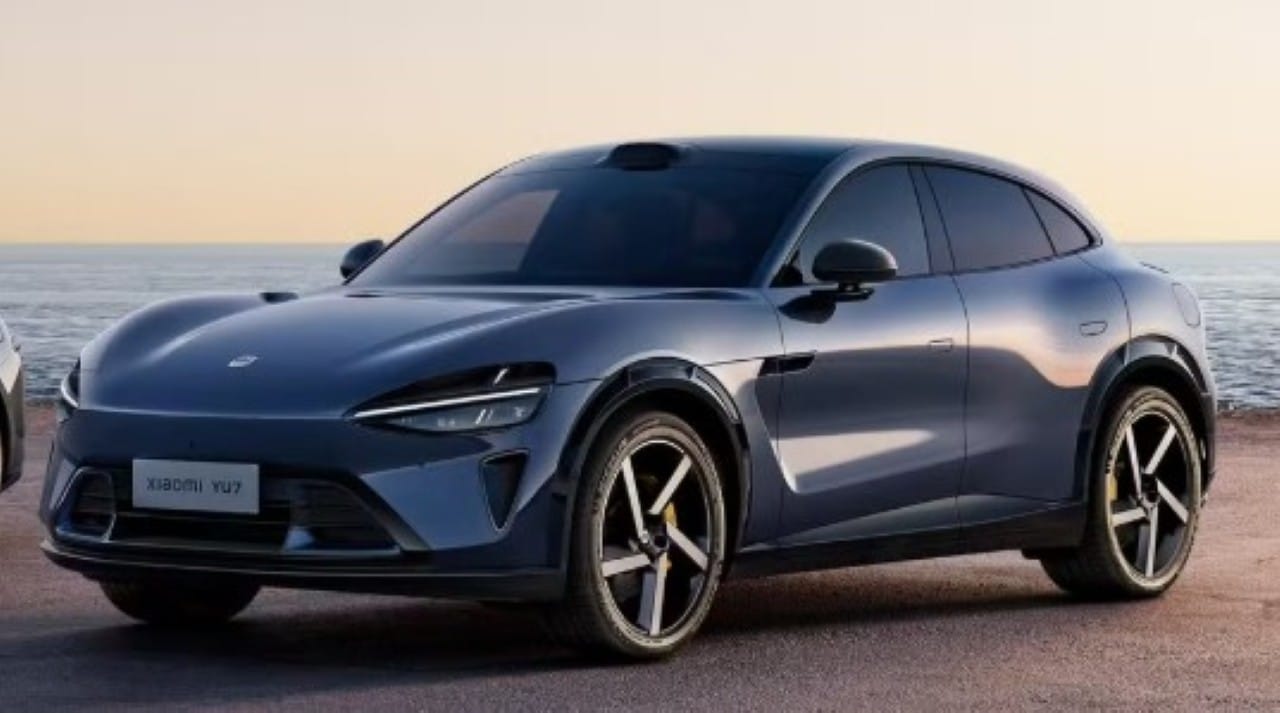 |
Xiaomi intensifies its commitment to the electric vehicle market by starting pre-sales of the updated version of its sedan, the SU7, with official launch scheduled for April 2026 at China. The new generation of the vehicle arrives with the promise of raising the standard in the segment, incorporating an 800-volt architecture in all its configurations, from the entry-level to the highest performance. Esta strategic update not only improves energy efficiency and recharge times, but also responds directly to feedback from first-time owners and positions the SU7 more aggressively against established competitors, such as the
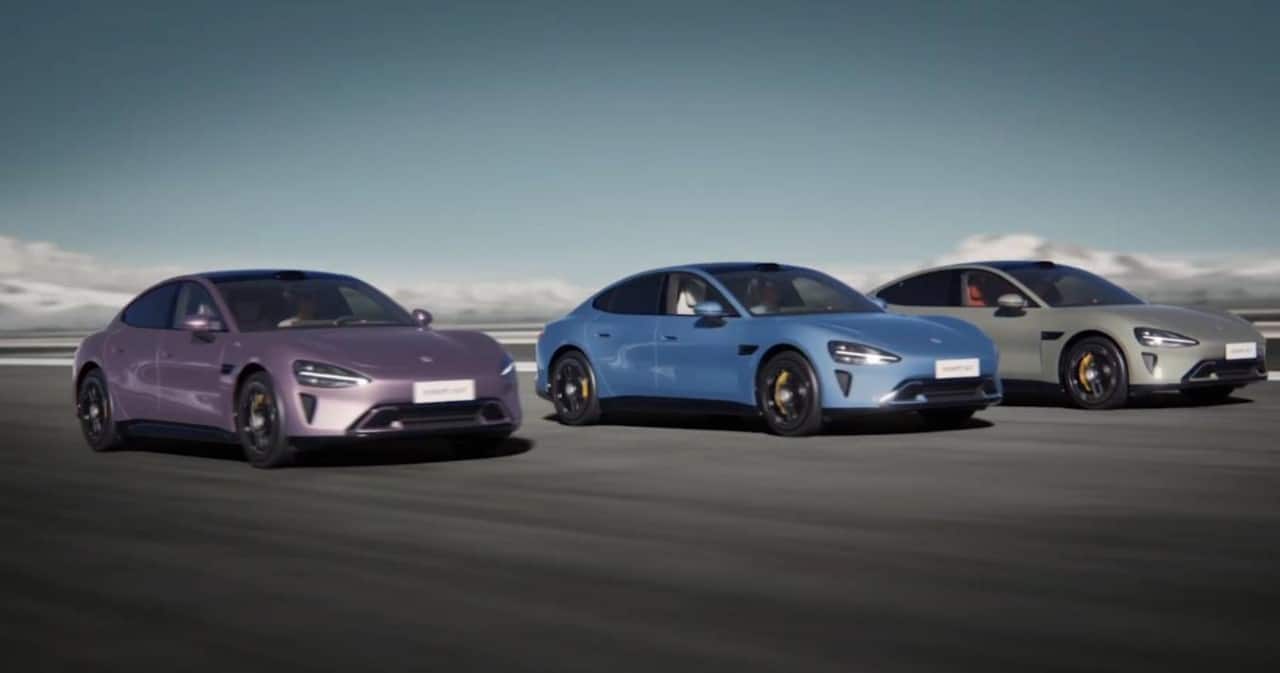
The model will be sold in three different variants to meet different consumer profiles: Standard, Pro and Max. Cada one of them was designed with specific focuses on autonomy, comfort or performance, maintaining a common technological core that represents a significant advance compared to the previous generation.
The Chinese manufacturer, known for its ecosystem of electronic products, uses its expertise to create a highly connected and intelligent vehicle. Continuous software updates and integration with other brand devices are important differentiators to consolidate the SU7’s presence in the competitive Chinese market.
Details of the new high voltage platform
The main technical innovation of the Xiaomi SU7 is the complete migration to an 800 volt platform, abandoning the 400 volt technology that still equipped some previous versions. Essa mudança estrutural é fundamental para o futuro dos veículos elétricos, pois permite uma operação mais eficiente com menor perda de energia por calor, cabos mais finos e leves, e, principalmente, a capacidade de suportar potências de carregamento muito mais elevadas. Para the driver, this translates into shorter stops at charging stations and more consistent performance on demand. The top-of-the-line Max version increases this capacity even further, operating with a voltage approaching 900 volts, optimizing the energy flow to high-performance components and ensuring that the vehicle extracts the maximum from its powertrain and high-energy density batteries.
Recharge capacity and autonomy highlighted
Thanks to the new architecture, reload times have been drastically reduced. The SU7 Max model is capable of recovering enough energy to travel up to 670 kilometers in just 15 minutes, as long as it is connected to a compatible high-power charging station. Esse performance places the Xiaomi sedan among the fastest-charging electric vehicles on the market, a crucial factor for convenience on long journeys. The Standard and Pro versions also benefit, with significant reductions in the time required for a full charge compared to the previous generation.
Autonomy has also been increased across the board. The Pro version stands out with a range of 902 kilometers in the Chinese CLTC test cycle, one of the biggest brands in the segment. The Standard model offers a respectable 720 kilometers, while the performance-focused Max variant clocks in at 835 kilometers. It is important to note that the CLTC cycle tends to present more optimistic numbers than the European WLTP standard, but the values still demonstrate the efficiency of the new set.
Performance and handling improvements
All SU7 configurations are equipped with the V6s Plus engine, which reaches 22,000 revolutions per minute, providing vigorous acceleration and immediate responses. Para To improve traction and stability, especially when starting off and cornering, the rear tires were widened to 265 millimeters, ensuring greater grip on the asphalt.
The Pro version received special attention in terms of comfort and handling with the inclusion of a two-chamber pneumatic suspension. Este system features variable stiffness shock absorbers, which automatically adjust to road conditions and driving style, offering a smooth ride on roads or greater firmness for sporty driving.
The Max model continues to be the exponent of performance, with all-wheel drive and a dual-motor configuration that allows it to reach a top speed of over 265 km/h, consolidating its appeal among high-speed enthusiasts.
Autonomous driving technology as standard
Xiaomi decided to equip the entire SU7 line with a robust set of sensors for advanced driver assistance systems (ADAS). LiDAR, a laser radar that creates an accurate 3D map of the environment, is now standard on all versions.
This sensor works in conjunction with a 4D millimeter wave radar, high definition cameras and ultrasonic sensors. The objective is to provide complete and redundant perception of the vehicle’s surroundings, increasing the safety and reliability of semi-autonomous driving functions.
All data processing is managed by the Xiaomi HAD system, which uses a processor with a computational capacity of 700 TOPS (trillions of operations per second). Essa power allows the car to perform complex maneuvers autonomously on highways and in specific urban scenarios.
The company also uses data collected anonymously from the fleet already in circulation to continuously improve the system’s object recognition and decision-making algorithms, distributing improvements through remote software updates (over-the-air).
Structural safety and occupant protection
Passive safety was another area that received significant improvements. The body structure now incorporates 2,200 MPa ultra-high-strength steel at critical points, forming a more rigid survival cell to protect occupants in the event of a collision. The torsional rigidity of the chassis has been increased, which improves not only safety but also driving dynamics.
The number of airbags has been increased to nine, including new side inflatable bags for rear seat passengers. Essa measure aims to offer more comprehensive protection to all occupants, regardless of the position in which they are seated in the vehicle.
Interior focused on user experience
Responding to the demand of many users, the Xiaomi maintained physical buttons for essential functions on the panel, such as climate control and volume. Essa decision combines the modernity of high-resolution screens, including a 56-inch Head-Up Display (HUD), with the practicality and tactile safety of traditional controls, allowing quick adjustments without taking attention away from the road.
Pricing and market strategy at China
With pre-sales now open, Xiaomi is preparing for the official launch in April 2026, focusing exclusively on the Chinese market at this first moment. The pricing strategy, which starts at 229,900 yuan, positions the SU7 as a highly competitive alternative, offering cutting-edge technology and performance at a lower cost than many direct competitors.
The company plans to gradually increase its production capacity to meet growing demand. The SU7 upgrade consolidates Xiaomi’s position as a serious and innovative player in the electric vehicle segment, using its strong brand image and technological ecosystem to build a loyal customer base in the automotive sector as well.











